Liber VII · Divination · Chapter IV: Horoscopes
Horoscopes: A Complete Guide to Their History and Types
Horoscopes explained: the word's meaning, Babylonian and Greek birth charts, natal and sun-sign horoscopes, newspaper columns and other cultures' systems.

A horoscope is, strictly, a map of the sky for a particular moment and place, most often a person's birth, showing the positions of the Sun, Moon and planets in the zodiac and in the twelve houses. In everyday use the word also means a short forecast for people born under one sign, the kind printed in newspapers and apps since the 1930s. This guide explains both senses, their history, and the horoscope systems of other cultures available on this site.
What a Horoscope Is: From the Hour-Marker to the Chart§
The Greek word hōroskopos referred to the point of the zodiac rising over the eastern horizon at a given moment, the "marker of the hour." Because this degree changes about every four minutes, the ascendant is what makes a chart personal: two people born on the same day in the same city may have different rising signs. Over time the word came to stand for the whole diagram.
A traditional chart contains the ten bodies used in modern astrology (Sun, Moon, Mercury, Venus, Mars, Jupiter, Saturn and the outer planets Uranus, Neptune and Pluto), often with the lunar nodes and other points; the twelve signs, each thirty degrees of the ecliptic; the twelve houses, which divide the sky relative to the horizon and represent areas of life; and the aspects, significant angles between bodies. These elements are explained in Zodiac & Planets. The square charts of medieval and early modern Europe and the round wheels of modern astrology present the same information in different layouts.
From Babylonian Tablets to Greek Papyri§
The oldest surviving personal horoscope is a Babylonian clay tablet from 410 BC, recording the positions of the Moon and planets at a child's birth with brief predictions. Only a few dozen Babylonian birth records survive, mostly from the fourth to the first centuries BC. They were derived from astronomical tables rather than direct observation, and they include none of the house system that later became central.
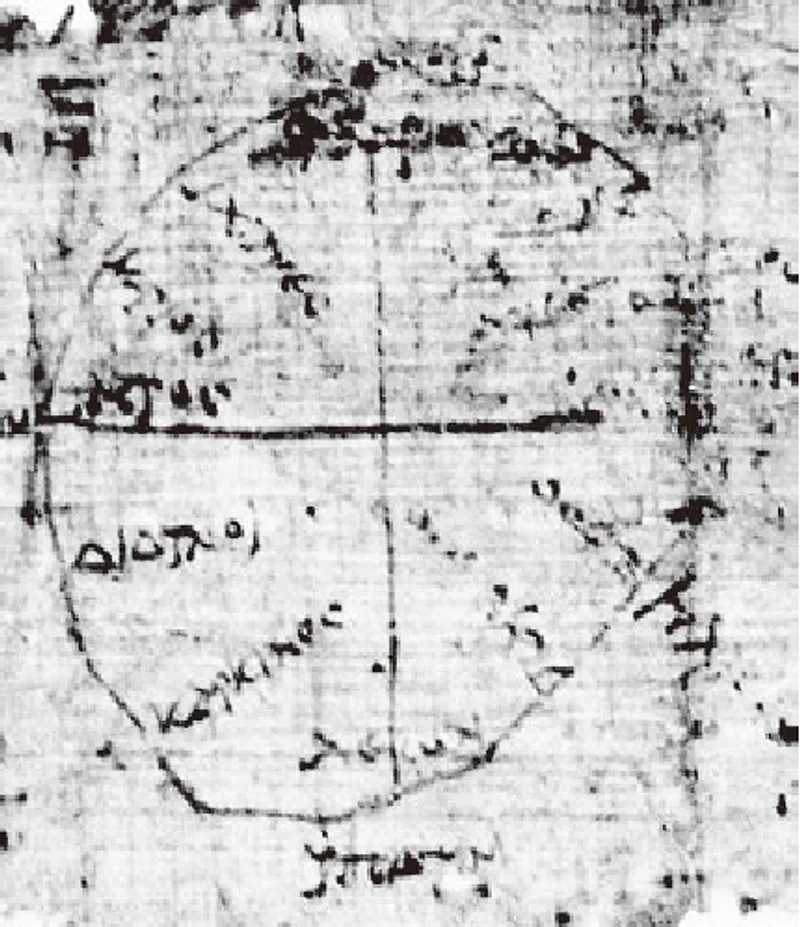
Greek-speaking astrologers in Egypt developed the full horoscope from about the second century BC. Dozens of Greek horoscopes survive on papyri, ostraca and even inscriptions, from simple lists of positions to elaborate calculations. Some were cast for clients; others appear as worked examples in astrological handbooks such as Vettius Valens's Anthology. The collection published by Otto Neugebauer and H. B. Van Hoesen in 1959 remains the standard reference. The fuller history is told in Astrology: A Complete Guide.
Types of Horoscopes in Western Astrology§
Western astrologers use several kinds of chart:
- Natal chart. Cast for the exact time and place of birth; the foundation of personal astrology.
- Transits. The current positions of the planets compared with the natal chart, used for forecasting.
- Progressions and directions. Symbolic methods of moving the natal chart forward, for example one day after birth for each year of life (secondary progressions).
- Solar return. A chart for the moment each year when the Sun returns to its natal position, read as a forecast for the year.
- Synastry and composite charts. Comparisons of two people's charts for relationships.
- Horary and event charts. Charts for a question or the start of an undertaking, used in horary and electional astrology.
Daily, weekly, monthly and yearly forecasts in the popular press are a simplified form of transit reading applied to all people with the Sun in a given sign. Because they ignore the time of birth, the ascendant and the houses, many astrologers regard them as entertainment rather than astrology proper.
Sun-Sign Columns and the Popular Horoscope§
The newspaper horoscope is a twentieth-century invention. In August 1930 the London Sunday Express asked the astrologer R. H. Naylor to describe the chart of the newly born Princess Margaret. The feature proved so popular that Naylor was given a regular column, and within a few years he and others were writing forecasts for readers grouped by their Sun sign, the sign the Sun occupies on their birthday. The format spread rapidly to British and American newspapers and magazines.
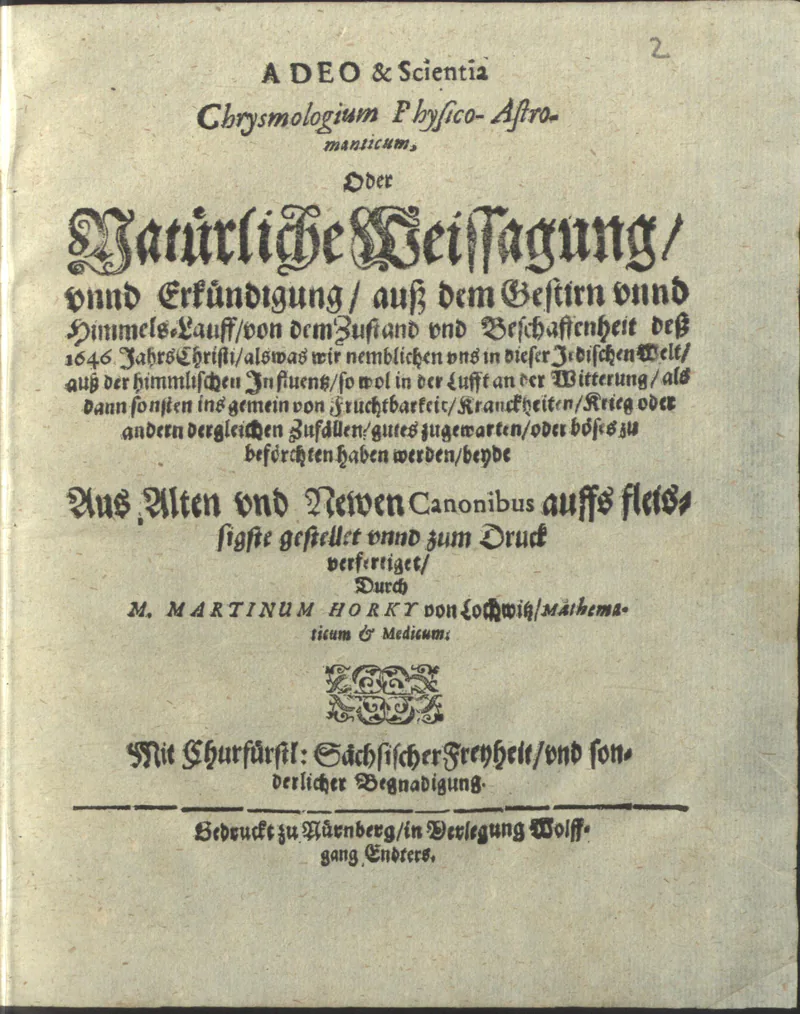
Sun-sign astrology suited mass media because it needs only a birth date and divides readers into twelve groups. It was further popularised by books such as Linda Goodman's Sun Signs (1968) and, in the twenty-first century, by websites and smartphone apps. Its success also made astrology a familiar part of everyday culture, even for people who do not take it literally. To find your sign by date, use the Western horoscope calculator, or start from a sign such as Aries or Scorpio.
Horoscopes in Other Cultures§
The word "horoscope" is now used loosely for several quite different systems. The site's horoscope section gathers six of them.
- Vedic (Jyotiṣa). Indian astrology casts a birth chart (kuṇḍalī) using a sidereal zodiac, so most people's signs differ from their Western ones. It gives great weight to the Moon and its nakṣatra or lunar mansion, and is still widely used for marriage matching. See Vedic Astrology and the Vedic calculator, which gives your nakshatra, for example Rohini.
- Chinese. Chinese fate calculation expresses the birth moment in stems and branches; the popular form names the year animal. See Chinese Astrology and the Chinese calculator.
- Maya and Aztec. Mesoamerican peoples associated a person's birth day in the 260-day ritual count with a day sign and number. See Mayan astrology and the Mayan and Aztec calculators.
- Celtic tree. The so-called Celtic tree horoscope is a modern creation. It derives from Robert Graves's tree calendar in The White Goddess (1948), itself a speculative reading of the Ogham alphabet, and has no attested ancient use. The Celtic tree calculator presents it as a modern system.
Are Horoscopes Accurate? Tests and Interpretations§
Researchers have tested horoscopes in several ways. In 1949 the psychologist Bertram Forer gave students a "personality profile" assembled from generic statements; they rated it highly accurate, although everyone received the same text. This tendency, now called the Forer or Barnum effect, explains much of the apparent accuracy of sun-sign columns. Shawn Carlson's double-blind study, published in Nature in 1985, found that astrologers could not match natal charts to personality profiles better than chance, and later reviews of research reached similar conclusions.
Astrologers have replied that such tests capture only a narrow, mechanical use of the chart, or that astrology is a symbolic language rather than a causal science. Many contemporary users treat horoscopes as prompts for reflection or as cultural pastime. Historians, for their part, study the horoscope as an important document of how people in many periods imagined their place in the cosmos.
Frequently asked questions§
What is the difference between a horoscope and a birth chart?§
A birth chart, or natal chart, is a specific kind of horoscope: the map of the sky at the moment and place of birth. "Horoscope" is the broader word for any such chart, and in popular use also means a written forecast for a sign.
When did newspaper horoscopes start?§
Newspaper horoscopes began in Britain in 1930, when R. H. Naylor wrote about Princess Margaret's birth chart in the Sunday Express. His regular column soon became organised by Sun sign, and the format spread worldwide.
Do I need my birth time for a horoscope?§
For a sun-sign forecast you need only your date of birth. For a full natal chart you need the exact time and place, because the ascendant and houses change every few minutes and depend on location.
Why is my Vedic sign different from my Western sign?§
Western astrology uses the tropical zodiac, tied to the equinoxes, while Vedic astrology uses a sidereal zodiac tied to the stars. Because of precession the two are now about twenty-four degrees apart, so most people's Sun falls in the preceding sign in the Vedic system.
Sources and further reading§
- Greek Horoscopes — Otto Neugebauer and H. B. Van Hoesen, 1959
- Babylonian Horoscopes — Francesca Rochberg, 1998
- Ancient Astrology — Tamsyn Barton, 1994
- Sun Signs — Linda Goodman, 1968
- The White Goddess — Robert Graves, 1948
- A History of Western Astrology — Nicholas Campion, 2008–2009
- Astrology, Science and Society: Historical Essays — Patrick Curry (ed.), 1987