Liber XXXIV · Witchcraft & Wicca
Liber XXXIV
Witchcraft, Wicca & Paganism
From the witch trials to Gardner, the sabbats and modern Paganism.
This section brings together two very different histories that share a name. The first is the history of the witch in European belief and law, culminating in the trials of the early modern period. The second is the modern religion of Wicca and the wider Pagan revival, which emerged in mid-twentieth-century England with Gerald Gardner and Doreen Valiente and spread worldwide. Articles also cover traditional and folk witchcraft, the Wheel of the Year, Druidry and Heathenry, always distinguishing historical evidence from later myth.
Chapters
The primary texts
All 5- Book of Eight QuestionsJohannes Trithemius (1462–1516) · composed 1508; printed Oppenheim 1515
- Reginald Scot's Discoverie of Witchcraft (magical texts)Reginald Scot (c. 1538–1599); 1665 additions anonymous · London, 1584; enlarged edition 1665
- Egyptian Secrets of Albertus MagnusPseudo-Albertus Magnus (falsely attributed to Albertus Magnus, c. 1200–1280) · German, 18th century (claims a Cologne edition of 1725); Pennsylvania German edition 1869; English c. 1900
- Le Petit AlbertFalsely attributed to 'Albertus Parvus Lucius', trading on the name of Albertus Magnus · Printed from the early 18th century; archive edition 'Lyon 1782'
- Romanus-BüchleinAnonymous German folk compilation · 18th century; earliest dated printing cited 1788
On the shelf
All 125 books An ABC of Witchcraft Past and PresentDoreen Valiente
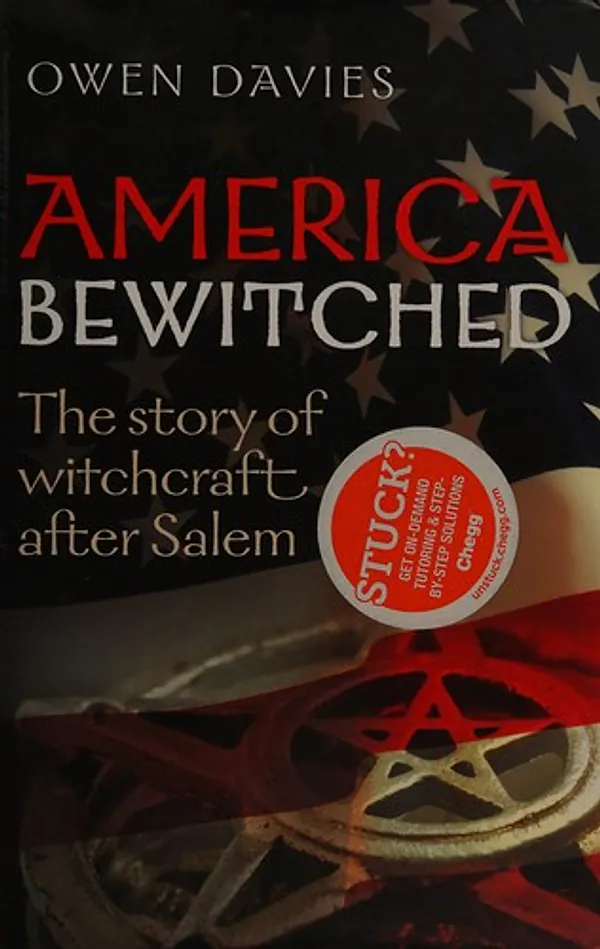 America BewitchedOwen Davies
 Aradia, or the Gospel of the WitchesCharles Godfrey Leland
 AzoëtiaAndrew D. Chumbley The Black ToadGemma Gary The Black ToadGemma Gary
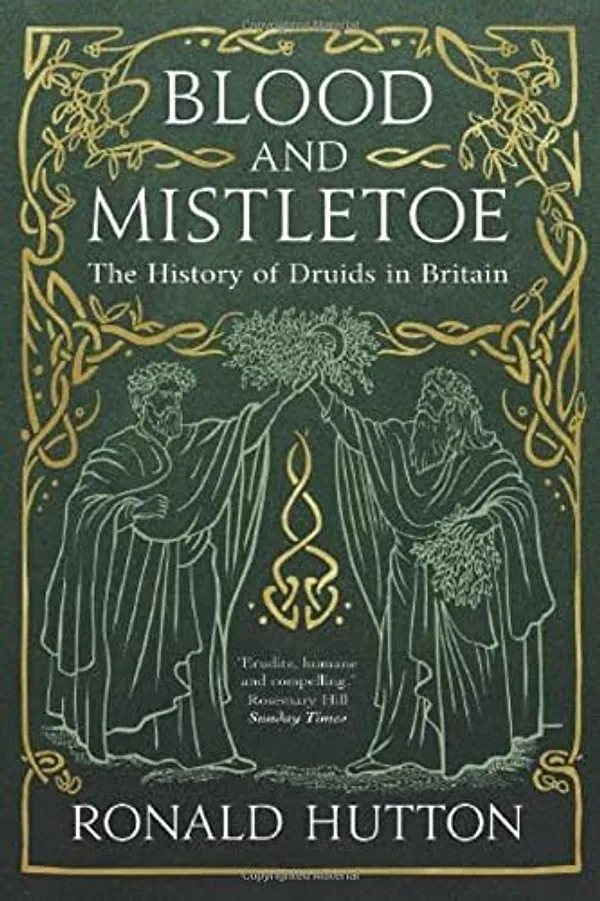 Blood and MistletoeRonald Hutton
 Bonewits's Essential Guide to DruidismIsaac Bonewits
 The Book of DruidryRoss Nichols
 Buckland's Complete Book of WitchcraftRaymond Buckland
 Caliban and the WitchSilvia Federici Children of CainMichael Howard Children of CainMichael Howard
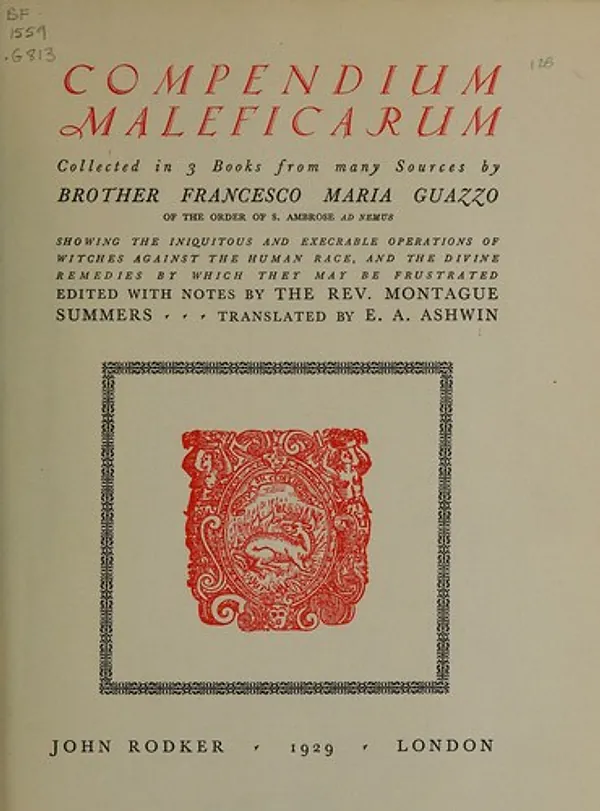 Compendium MaleficarumFrancesco Maria Guazzo
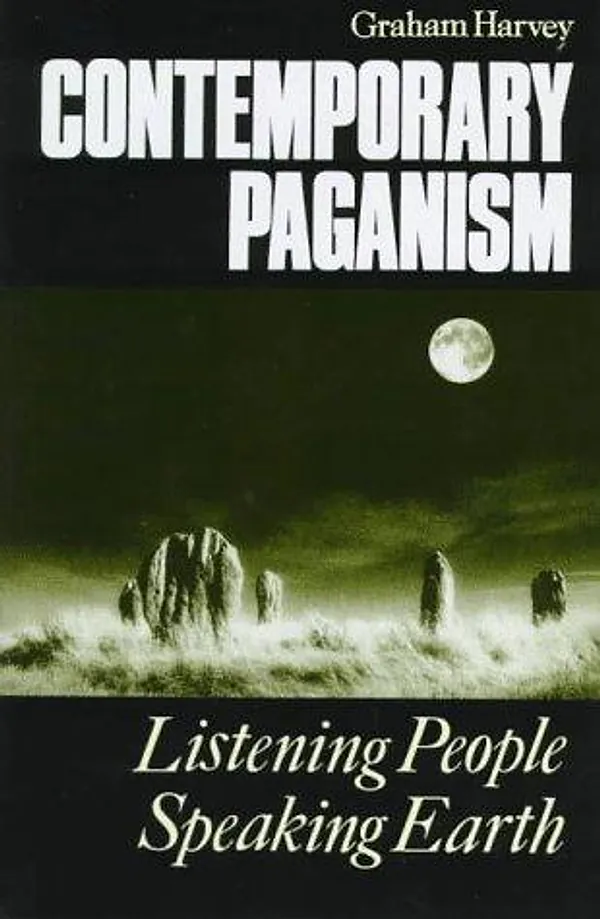 Contemporary PaganismGraham Harvey The Crooked PathKelden The Crooked PathKelden
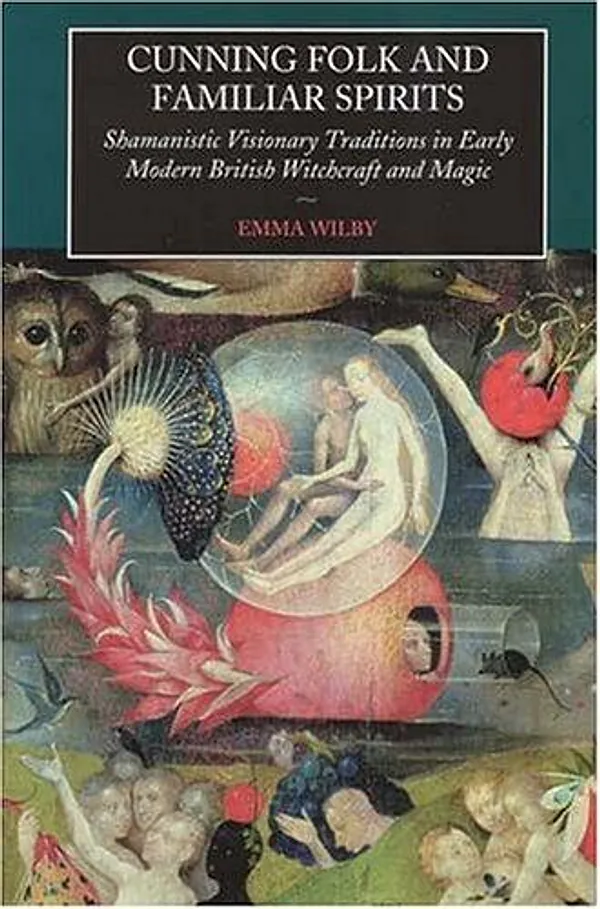 Cunning Folk and Familiar SpiritsEmma Wilby Cunning-FolkOwen Davies Cunning-FolkOwen Davies
 DaemonologieKing James VI and I
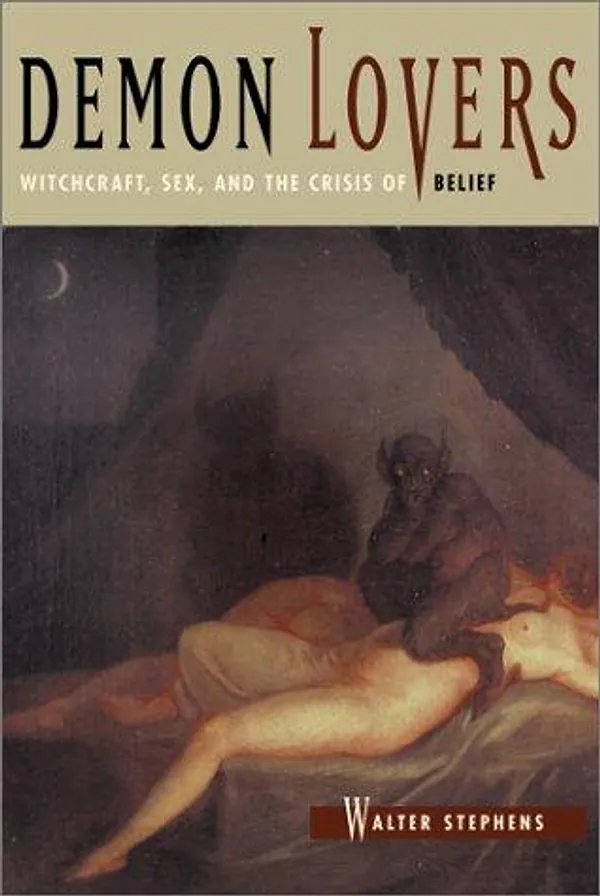 Demon LoversWalter Stephens DemonolatryNicolas Remy DemonolatryNicolas Remy
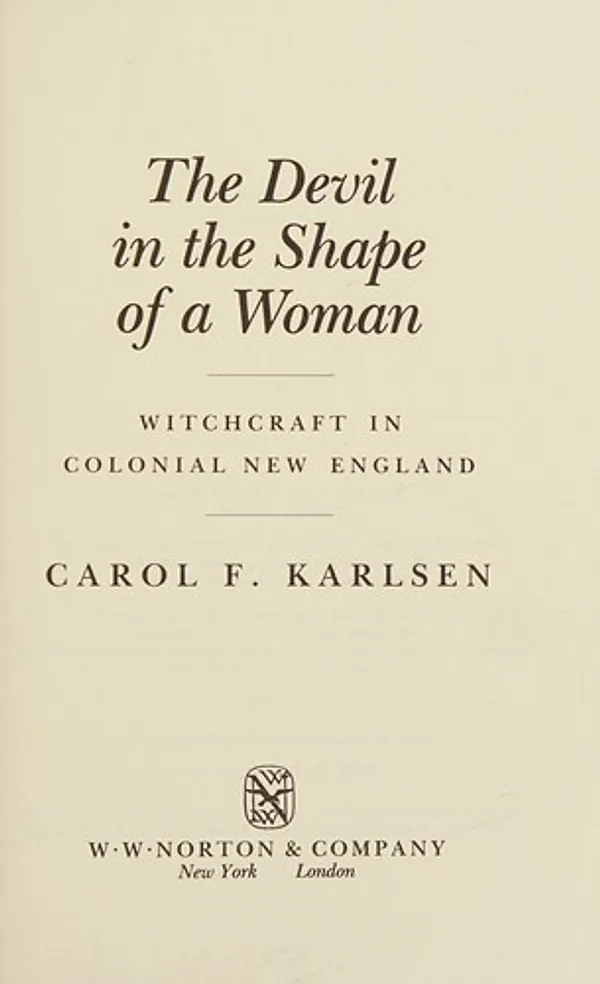 The Devil in the Shape of a WomanCarol F. Karlsen
 The Devils of LoudunAldous Huxley
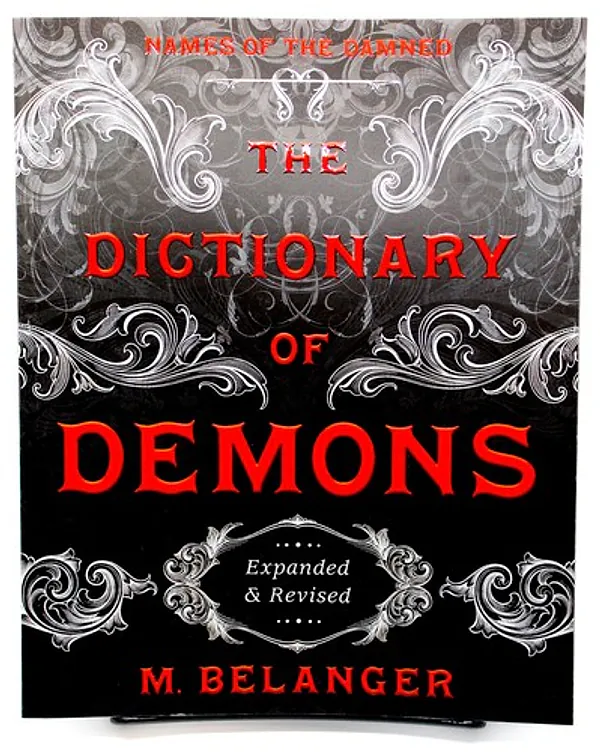 The Dictionary of DemonsMichelle Belanger
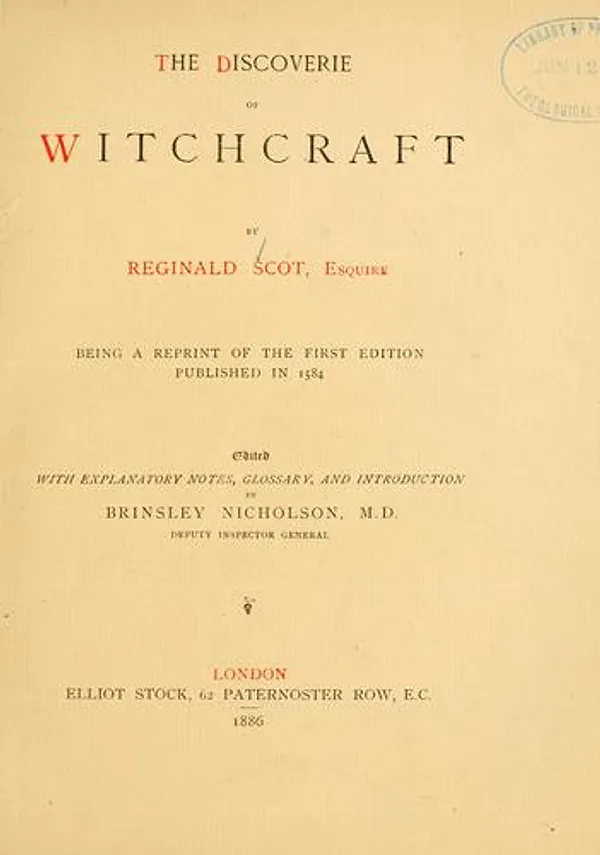 The Discoverie of WitchcraftReginald Scot
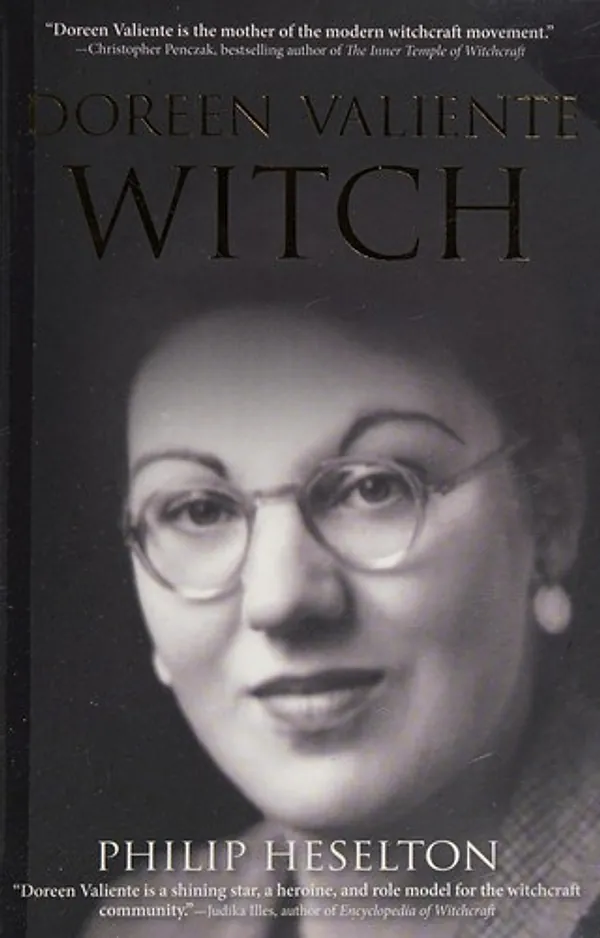 Doreen ValientePhilip Heselton
Chronology
The full timeline- Early witch hunts in the Valaisc. 1428–1436
- Bull Summis desiderantes affectibus1484
- Malleus Maleficarum published1486–87
- Witchcraft acts and Weyer's dissent1563
- Scot's Discoverie and Bruno's Spaccio1584
- North Berwick witch trials1590–91
- James I's Witchcraft Act1604
- Basque witch hunt and Logroño auto-da-fé1609–10
- Pendle witch trials1612
- Peak of German witch burningsc. 1626–31
- Spee's Cautio criminalis1631
- Matthew Hopkins, 'Witchfinder General'1645–47