Liber XXVII · Solomonic Magic
Liber XXVII
Solomonic Magic & the Grimoires
King Solomon's ring, the Testament, the Keys and the books of conjuration.
Few figures loom larger in magical legend than King Solomon. Jewish, Christian and Islamic stories credit him with a ring or seal that bound demons and jinn, with the building of the Temple by captive spirits, and with a wisdom extending to every hidden art. From these legends grew a literature of grimoires: the Testament of Solomon, the Key of Solomon, the Lemegeton with its Ars Goetia, the Ars Notoria, the Sworn Book of Honorius and many others. This section tells the stories and traces the history, manuscripts and contents of the books themselves.
Chapters
- Introduction2 articles
- I.Demonic Magic & Pacts5 articles
- II.Demonology5 articles
- III.Goetic Spirits3 articles
- IV.Key of Solomon3 articles
- V.Legends of Solomon3 articles
- VI.Lemegeton2 articles
- VII.Other Grimoires5 articles
- Ars Notoria: The Medieval Notory Art of Solomon Explained
- Ganell's Summa Sacre Magice: A Medieval Compendium of Magic
- The Book of Oberon: An Elizabethan Grimoire and Its 2015 Edition
- The Sixth and Seventh Books of Moses: History of a Grimoire
- The Sworn Book of Honorius: Liber Iuratus and the Vision of God
- VIII.The Ring & Seal2 articles
- IX.Testament of Solomon2 articles
The primary texts
All 37- The Testament of SolomonPseudepigraphically attributed to King Solomon; anonymous Greek-speaking Christian author · Usually dated 1st–5th century CE; manuscripts 15th–16th century
- Ars Notoria (The Notory Art of Solomon)Attributed to Solomon and Apollonius (pseudepigraphic) · late 12th–early 13th century; English translation 1657
- The AlmadelAttributed to Solomon (pseudepigraphic) · Latin versions from the 13th century or earlier; English versions 17th century
- Sepher Raziel (Liber Salomonis)Attributed to the angel Raziel via Adam and Solomon; Latin compilation of the 13th century · Latin compiled 13th century; English versions 16th century (one dated 1564)
- The Sworn Book of HonoriusAttributed to Honorius, son of Euclid, of Thebes (pseudepigraphic) · 13th–early 14th century
- Liber Trium Animarum (Book of Three Souls)Anonymous; preserved by Berengar Ganell; associated with the Honorian 'New Art' · Before 1346, possibly 13th century
- Summa Sacre Magice (Compendium of Sacred Magic)Berengar Ganell (Berengarius Ganellus) · 1346
- The Magical Treatise of Solomon (Hygromanteia) and Delatte’s Anecdota AtheniensiaAttributed to Solomon, addressed to his son Rehoboam (pseudepigraphic); texts edited by Armand Delatte (1927) · Byzantine, manuscripts 15th–16th century; edition 1927
- Key of SolomonPseudepigraphically attributed to King Solomon; anonymous compilers, probably late medieval Italy · Core text probably 14th–15th century; most manuscripts 16th–18th century
- The Book of the Seven Rings of the Planets (attributed to Messalah)Attributed to Messalah (Mashallah ibn Athari, 8th-century astrologer); pseudepigraphic · Medieval; manuscripts 15th–17th century
On the shelf
All 103 books Aldaraia sive Soyga vocorJane L. Kupin (ed. and trans.) Aldaraia sive Soyga vocorJane L. Kupin (ed. and trans.) 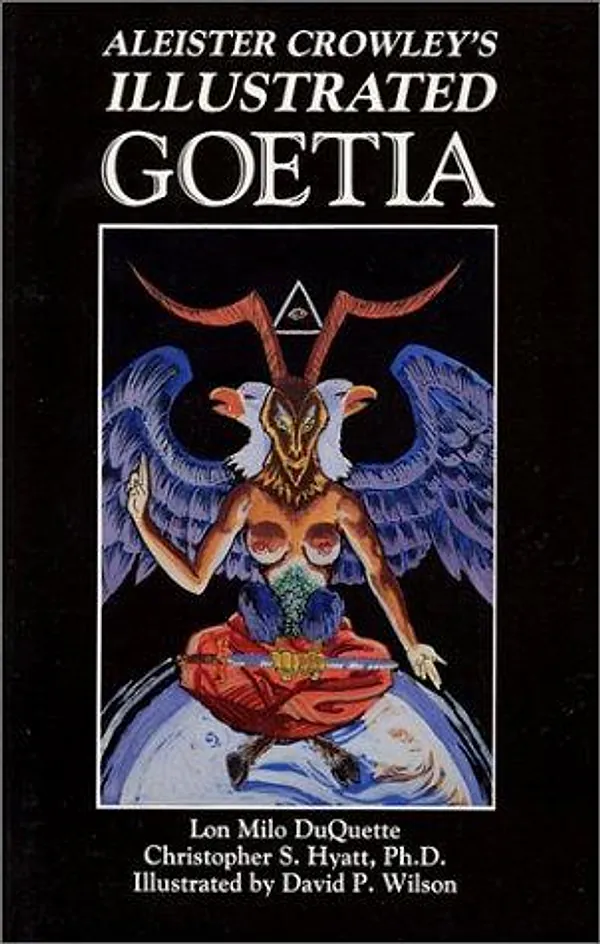 Aleister Crowley's Illustrated GoetiaLon Milo DuQuette & Christopher S. Hyatt Anecdota Atheniensia, tome IArmand Delatte (ed.) Anecdota Atheniensia, tome IArmand Delatte (ed.) Antipalus MaleficiorumJohannes Trithemius Antipalus MaleficiorumJohannes Trithemius
 The Arabian Nights (The Thousand and One Nights)Anonymous
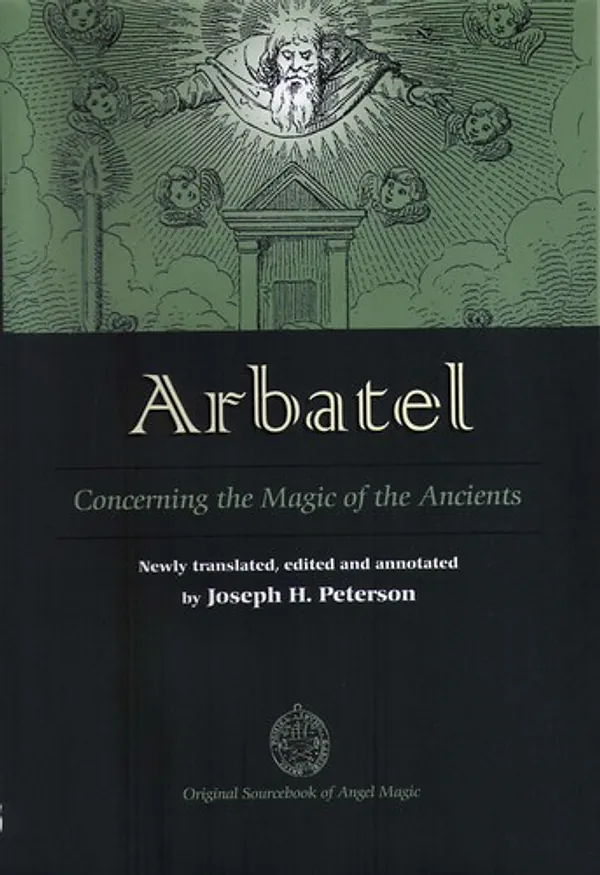 ArbatelJoseph H. Peterson
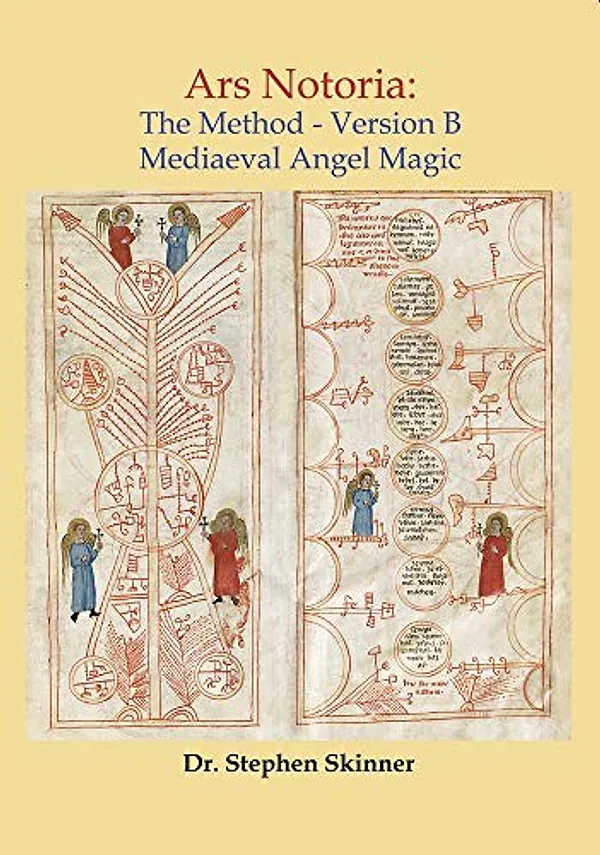 Ars NotoriaStephen Skinner & Daniel Clark Binding WordsDon C. Skemer Binding WordsDon C. Skemer
 The Black PulletAnonymous
 The Book of AbramelinAbraham von Worms
 The Book of Black Magic and of PactsA. E. Waite
 The Book of Ceremonial MagicA. E. Waite The Book of Four Occult PhilosophersDaniel Harms The Book of Four Occult PhilosophersDaniel Harms & S. Aldarnay
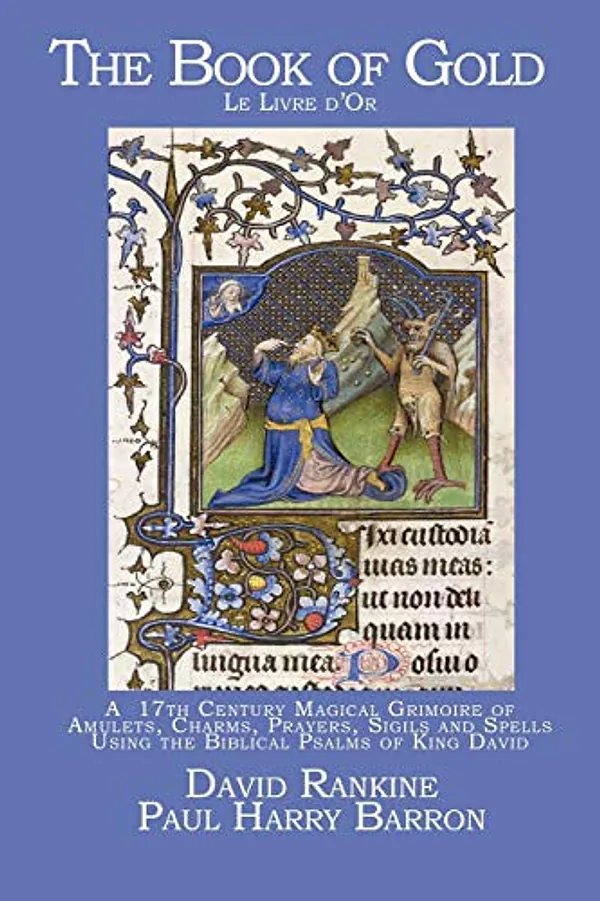 The Book of GoldDavid Rankine & Paul Harry Barron The Book of OberonDaniel Harms The Book of OberonDaniel Harms, James R. Clark & Joseph H. Peterson The Book of Solomon's MagickCarroll "Poke" Runyon The Book of Solomon's MagickCarroll "Poke" Runyon
 The Book of St. CyprianJosé Leitão The Book of the Goetia of Solomon the KingS. L. MacGregor Mathers The Book of the Goetia of Solomon the KingS. L. MacGregor Mathers & Aleister Crowley A Book of the Offices of SpiritsJohn Porter A Book of the Offices of SpiritsJohn Porter
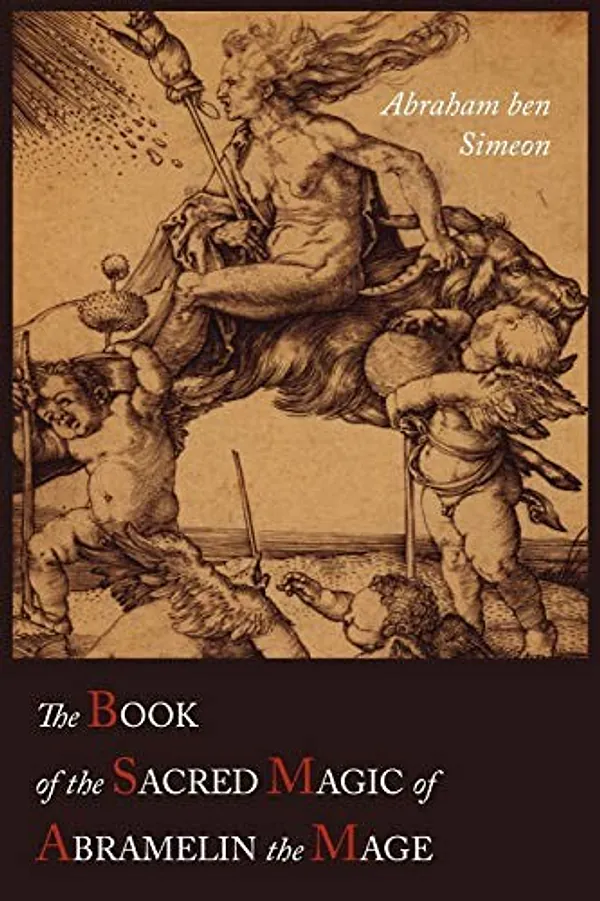 The Book of the Sacred Magic of Abramelin the MageS. L. MacGregor Mathers The Book of Treasure SpiritsDavid Rankine The Book of Treasure SpiritsDavid Rankine Ceremonial Magic and the Power of EvocationJoseph C. Lisiewski Ceremonial Magic and the Power of EvocationJoseph C. Lisiewski Clavicula SalomonisHermann Gollancz Clavicula SalomonisHermann Gollancz The Clavis or Key to the Magic of SolomonEbenezer Sibly The Clavis or Key to the Magic of SolomonEbenezer Sibly & Frederick Hockley
Aleister Crowley's Illustrated GoetiaLon Milo DuQuette & Christopher S. Hyatt Anecdota Atheniensia, tome IArmand Delatte (ed.) Anecdota Atheniensia, tome IArmand Delatte (ed.) Antipalus MaleficiorumJohannes Trithemius Antipalus MaleficiorumJohannes Trithemius The Arabian Nights (The Thousand and One Nights)Anonymous ArbatelJoseph H. Peterson Ars NotoriaStephen Skinner & Daniel Clark Binding WordsDon C. Skemer Binding WordsDon C. Skemer The Black PulletAnonymous The Book of AbramelinAbraham von Worms The Book of Black Magic and of PactsA. E. Waite The Book of Ceremonial MagicA. E. Waite The Book of Four Occult PhilosophersDaniel Harms The Book of Four Occult PhilosophersDaniel Harms & S. Aldarnay The Book of GoldDavid Rankine & Paul Harry Barron The Book of OberonDaniel Harms The Book of OberonDaniel Harms, James R. Clark & Joseph H. Peterson The Book of Solomon's MagickCarroll "Poke" Runyon The Book of Solomon's MagickCarroll "Poke" Runyon The Book of St. CyprianJosé Leitão The Book of the Goetia of Solomon the KingS. L. MacGregor Mathers The Book of the Goetia of Solomon the KingS. L. MacGregor Mathers & Aleister Crowley A Book of the Offices of SpiritsJohn Porter A Book of the Offices of SpiritsJohn Porter The Book of the Sacred Magic of Abramelin the MageS. L. MacGregor Mathers The Book of Treasure SpiritsDavid Rankine The Book of Treasure SpiritsDavid Rankine Ceremonial Magic and the Power of EvocationJoseph C. Lisiewski Ceremonial Magic and the Power of EvocationJoseph C. Lisiewski Clavicula SalomonisHermann Gollancz Clavicula SalomonisHermann Gollancz The Clavis or Key to the Magic of SolomonEbenezer Sibly The Clavis or Key to the Magic of SolomonEbenezer Sibly & Frederick HockleyChronology
The full timeline- Reign of King Solomonc. 10th century BCE
- The Testament of Solomonc. 1st–3rd century CE
- The Ars Notoria emergesc. late 12th century
- Latin Clavicula Salomonis takes shapec. 13th century
- Liber iuratus Honorii (Sworn Book)c. mid-13th century
- Speculum astronomiae lists Solomonic booksc. 1260
- Roger Bacon on the books of Solomon1267–70
- Earliest reference to a Clavicula1303–10
- Liber florum burned in Paris1323
- Earliest Clavicula fragment (Trento)c. 1380–1410
- Oldest near-complete Clavicula manuscript1446
- Oldest Latin Clavicula exemplarlate 15th century