Liber XXVIII · Solomonic Magic · Chapter IX: Testament of Solomon
Solomon the Exorcist: Josephus, Qumran and Ancient Amulets
How Solomon became an exorcist in antiquity: the Wisdom of Solomon, Josephus's Eleazar, Qumran songs, the Gospels, magical papyri, rider amulets and bowls.

Long before any grimoire bore his name, King Solomon was known in the ancient world as an exorcist: a sage to whom God had given power over demons, whose name, incantations and seal could drive them out of the sick. The idea grew between roughly the second century BCE and the fifth century CE, and it can be traced in Jewish scripture and literature, in Josephus, at Qumran, in the Gospels, in Greek magical papyri, on amulets and on Aramaic incantation bowls — the world from which the Testament of Solomon emerged.
From Wise King to Master of Spirits§
The starting point is the biblical portrait of Solomon as the wisest of men. According to 1 Kings 4, he spoke three thousand proverbs and a thousand and five songs, and "spake of trees... of beasts, and of fowl, and of creeping things, and of fishes". Nothing in the Hebrew text concerns demons. But a reputation for encyclopedic knowledge of nature easily expanded, in the Hellenistic world, into knowledge of hidden powers: of roots, stones and the forces that cause disease.
The Greek Wisdom of Solomon, written in Alexandria probably in the first century BCE, makes the king say that God taught him the structure of the world, the stars, the natures of animals, "the violence of winds" and "the virtues of roots" (Wisdom 7:17–21). The Greek word pneumata can mean both "winds" and "spirits", and later readers took the passage as evidence that Solomon knew how to master spirits. Knowledge of roots, likewise, connected him with the healing plants used in exorcism.
Josephus and Eleazar before Vespasian§
The clearest early statement comes from the Jewish historian Flavius Josephus in his Jewish Antiquities, completed around 93–94 CE. Retelling Solomon's reign in the eighth book, Josephus says that God granted the king knowledge of the art against demons for the benefit and healing of humankind, and that Solomon composed incantations for relieving illness and left behind forms of exorcism by which demons are driven out never to return.
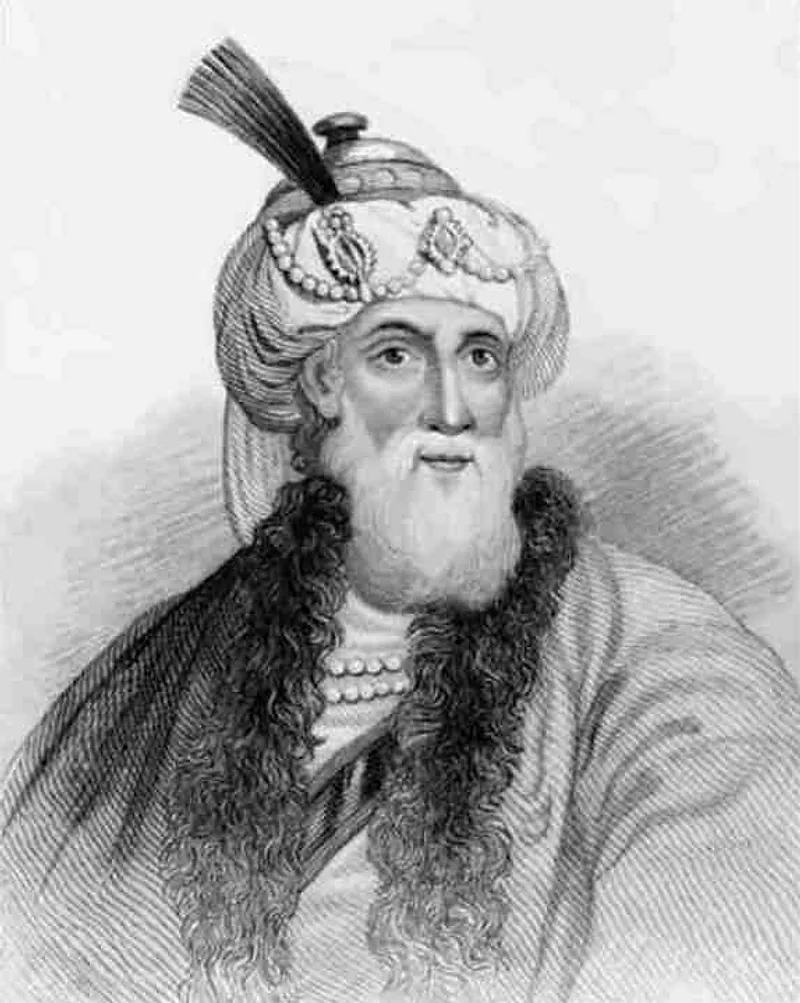
Josephus adds an eyewitness account. In the presence of Vespasian, his sons, tribunes and soldiers, a fellow Jew named Eleazar freed men possessed by demons. He held to the sufferer's nose a ring with one of the roots prescribed by Solomon under its seal, drew the demon out through the nostrils, and, invoking Solomon's name and reciting his incantations, adjured it never to return. To prove the demon had left, Eleazar placed a cup or basin of water nearby and commanded the departing spirit to overturn it. Josephus tells the story to show that Solomon's wisdom was still effective in his own day.
The passage contains, in miniature, the elements of later Solomonic magic: a ring and seal, a special root, incantations ascribed to the king, the invocation of his name and a visible sign of the spirit's obedience.
Exorcism Songs at Qumran and the Lyre of David§
Solomon's role as exorcist was bound up with his father's. In 1 Samuel 16 the young David drives away the evil spirit troubling Saul by playing the lyre. Jewish tradition made this the model of a song against demons. In the first-century Biblical Antiquities of Pseudo-Philo, David's song to Saul's spirit ends by warning it that one born from David's line will one day rule over it — a prophecy most readers take to refer to Solomon.
Among the Dead Sea Scrolls, a scroll from Cave 11 (11Q11, often called the Apocryphal Psalms) contains songs for use against demons, ending with a version of Psalm 91, which later became the classic Jewish psalm of protection. The name of Solomon appears in a damaged passage of the scroll, apparently in connection with the invocation of spirits. Other Qumran texts, the Songs of the Sage, were composed to frighten away destroying spirits. Together they show that in the late Second Temple period songs, psalms and the names of David and Solomon were used to protect against demonic attack.
The "Son of David" in the Gospels§
The Gospels place Jesus in this world of exorcism. When he heals a blind and dumb man possessed by a demon, the astonished crowd asks, "Is not this the son of David?" (Matthew 12:23). Several scholars, notably Dennis Duling, have argued that the title "Son of David" in healing and exorcism stories evokes Solomon, the son of David famed as healer and master of demons. Jesus's own words in the same chapter — "a greater than Solomon is here" — invite comparison with the king.
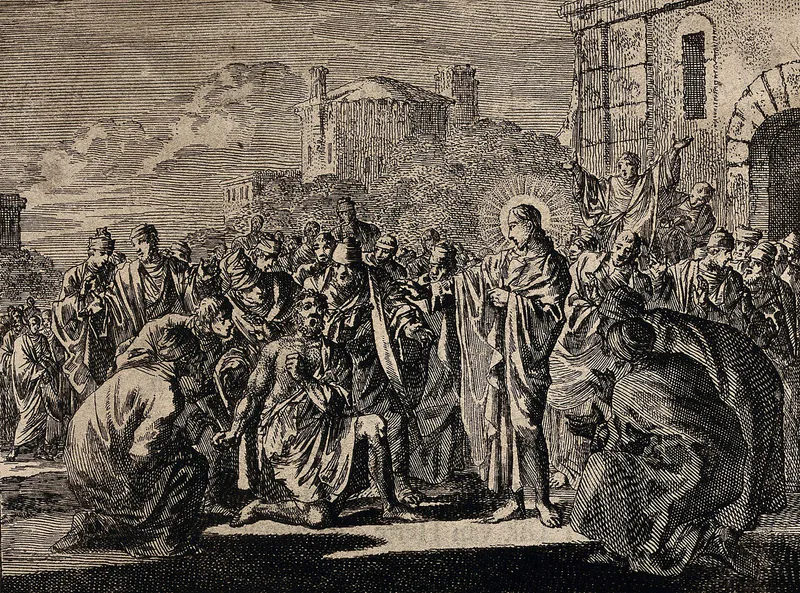
The comparison also cut the other way. Early Christian writers insisted that Jesus cast out demons by his own authority, without rings, roots or incantations, and treated Solomonic formulas with suspicion. Origen, in the third century, mentions that some people used adjurations attributed to Solomon to drive out demons, and he regarded the practice as questionable. The tension between Christian exorcism in Christ's name and older Solomonic techniques continued for centuries, as described in Angels, Demons and Exorcism in Christian Tradition.
Solomon in the Magical Papyri and on Amulets§
Greek magical practitioners in Roman Egypt borrowed Solomon's prestige freely. The Greek Magical Papyri include a divinatory rite titled "Solomon's collapse", which induces a trance in a boy or man so that he will answer questions, and a long exorcism invokes "the seal which Solomon placed on the tongue of Jeremiah". The king had become a name of power in the international language of late antique magic, used by practitioners who were not necessarily Jewish.
Amulets show the same development in images. A large group of late antique amulets in bronze, hematite and other materials shows a horseman with a halo spearing a prostrate female demon. Many name the rider as Solomon, and some carry the words "seal of God" or a formula ordering the hated demon to flee because Solomon pursues her. Campbell Bonner's classic study of Graeco-Egyptian amulets catalogued many examples. In the Byzantine centuries the rider was increasingly identified with Christian saints, especially Sisinnios and later George, but the Solomonic origin of the image remained visible. These objects are part of the history traced in Amulets and Talismans.
Solomon's Ring on Aramaic Incantation Bowls§
In Sasanian Mesopotamia, between roughly the fifth and seventh centuries, Jews, Christians, Mandaeans and others commissioned earthenware bowls inscribed in spirals of Aramaic text and buried them upside down under the floors of houses to trap demons. Many of these incantation bowls seal the house and its occupants "with the signet ring of King Solomon son of David", sometimes alongside drawings of bound demons. They are directed against a range of evil beings, including the liliths whose later history is told in Lilith in Jewish Folklore.
The bowls show that by late antiquity the seal of Solomon had become a standard formula of protection across religious communities, independent of any single text. The same image of the ring underlies the Talmudic legend of Solomon and Asmodeus and the later traditions described in Seal of Solomon: The Ring, Its Legends and Its Symbol.
How the Testament of Solomon Gathered the Tradition§
The Testament of Solomon, a Greek work whose dating is debated between the first and the fifth centuries, gathers these threads into a story. Solomon receives from the archangel Michael a ring engraved with a seal, uses it to subdue the demon Ornias and then a long procession of other demons, and makes them work on the Temple. Each demon reveals its name, its activity and the angel or holy name that defeats it. One long section lists thirty-six demons linked to the decans of the zodiac, each causing a particular illness and each driven away by a specific invocation.
The Testament is, in effect, a medical demonology framed as a royal autobiography. It codifies what Josephus, the papyri and the amulets show in practice: Solomon as the healer who knows the names of disease-causing spirits and the remedies against them. Through Byzantine reworkings such as the Hygromanteia, this image of the exorcist king passed into the grimoires of medieval and early modern Europe.
Frequently asked questions§
Why was Solomon considered an exorcist?§
The Bible credits him with unequalled wisdom about nature, and Hellenistic Jewish writers extended this to knowledge of spirits and healing roots. By the first century CE, Josephus could report that Solomon had composed incantations and forms of exorcism still in use.
Who was Eleazar the exorcist?§
Eleazar was a Jewish exorcist described by Josephus in the Jewish Antiquities. In the presence of the future emperor Vespasian he drew demons out of possessed men using a ring containing a root prescribed by Solomon and reciting Solomon's incantations.
What is the holy rider amulet?§
It is a type of late antique amulet showing a haloed horseman spearing a female demon on the ground. Many examples name the rider as Solomon or carry the words "seal of God"; later the rider was identified with Christian saints.
Is Solomon mentioned in the Dead Sea Scrolls?§
Yes. A scroll from Cave 11 containing songs against demons (11Q11) mentions Solomon in a damaged passage, apparently in connection with dealing with spirits. It is one of the earliest pieces of evidence linking Solomon to protection against demons.
Sources and further reading§
- Jewish Antiquities — Flavius Josephus, c. 94
- Solomon the Esoteric King: From King to Magus, Development of a Tradition — Pablo A. Torijano, 2002
- Studies in Magical Amulets, Chiefly Graeco-Egyptian — Campbell Bonner, 1950
- The Greek Magical Papyri in Translation — Hans Dieter Betz (ed.), 1986
- Amulets and Magic Bowls: Aramaic Incantations of Late Antiquity — Joseph Naveh and Shaul Shaked, 1985
- Jesus the Exorcist — Graham H. Twelftree, 1993
- The Testament of Solomon — Chester Charlton McCown, 1922