Liber II · Ancient Magic
Liber II
Ancient & Folk Magic
Egyptian heka, the Greek magical papyri, cunning folk and conjure.
Long before the grimoires, magic was part of the daily religious life of the ancient world. This section explores Egyptian heka, Mesopotamian incantation, the Greek Magical Papyri, curse tablets and amulets, and the folk magic of later centuries, including European cunning folk, hoodoo and conjure, and the African diasporic religions of Vodou, Santería and Candomblé, treated with respect as living traditions.
Chapters
The primary texts
All 2- The Sword of Moses (Harba de-Moshe)Anonymous Jewish magical text; revelation ascribed to Moses · Late antiquity or early Middle Ages; Gaster's manuscript 13th–14th century
- The Book of Protection (Syriac Charms)Anonymous Syriac Christian compilers; edited by Hermann Gollancz (1912) · manuscripts 18th–early 19th century (Codex A dated 1802–3); edition 1912
On the shelf
All 21 books 1 EnochGeorge W. E. Nickelsburg 1 EnochGeorge W. E. Nickelsburg & James C. VanderKam  Ancient Christian MagicMarvin Meyer & Richard Smith Ancient Greek Love MagicChristopher A. Faraone Ancient Greek Love MagicChristopher A. Faraone
 Arcana MundiGeorg Luck The Book of Protection, Being a Collection of CharmsHermann Gollancz (ed. and trans.) The Book of Protection, Being a Collection of CharmsHermann Gollancz (ed. and trans.)
 Conjure in African American SocietyJeffrey E. Anderson
 Divine HorsemenMaya Deren
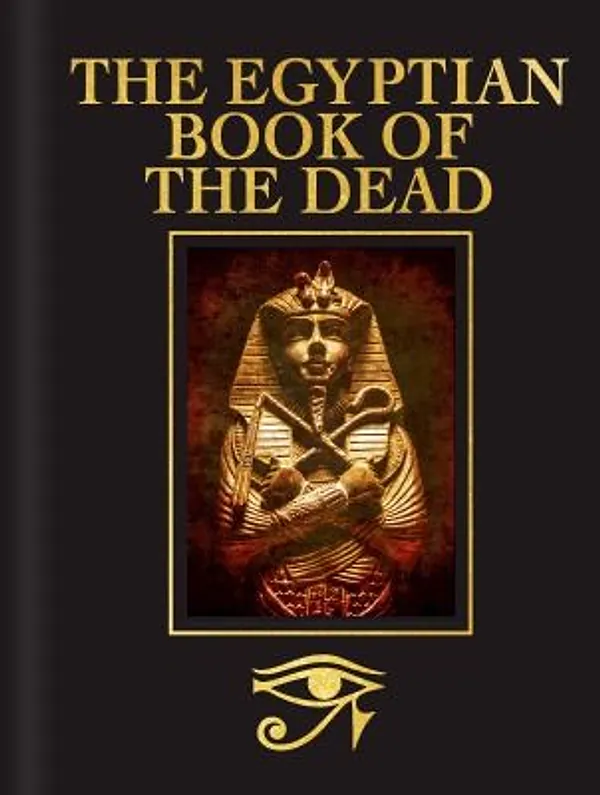 The Egyptian Book of the DeadE. A. Wallis Budge
 Egyptian MagicE. A. Wallis Budge Greek and Roman NecromancyDaniel Ogden Greek and Roman NecromancyDaniel Ogden
 The Greek Magical Papyri in TranslationHans Dieter Betz Harba de-Moshe (The Sword of Moses)Yuval Harari Harba de-Moshe (The Sword of Moses)Yuval Harari
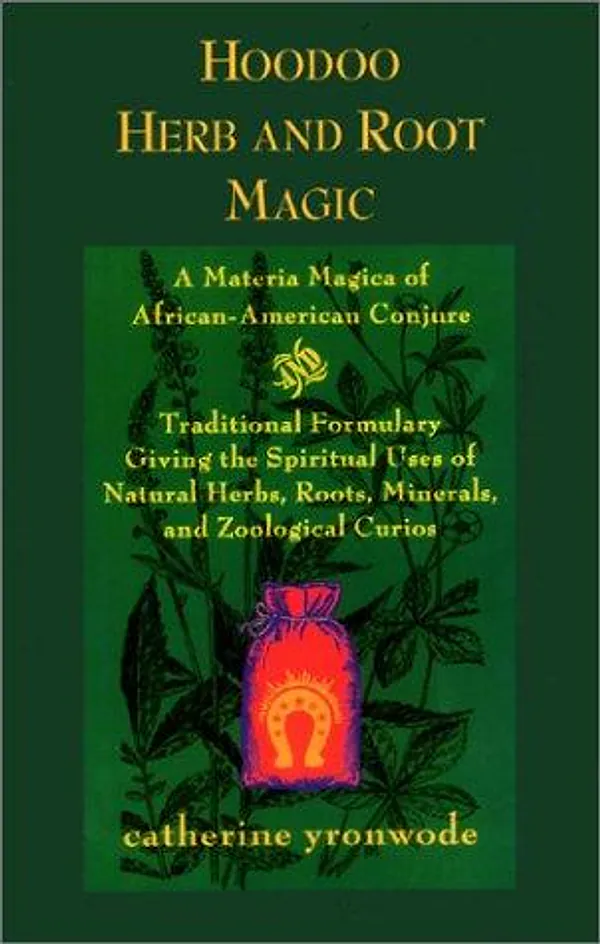 Hoodoo Herb and Root MagicCatherine Yronwode Jewish AntiquitiesFlavius Josephus Jewish AntiquitiesFlavius Josephus Magic in the Ancient WorldFritz Graf Magic in the Ancient WorldFritz Graf
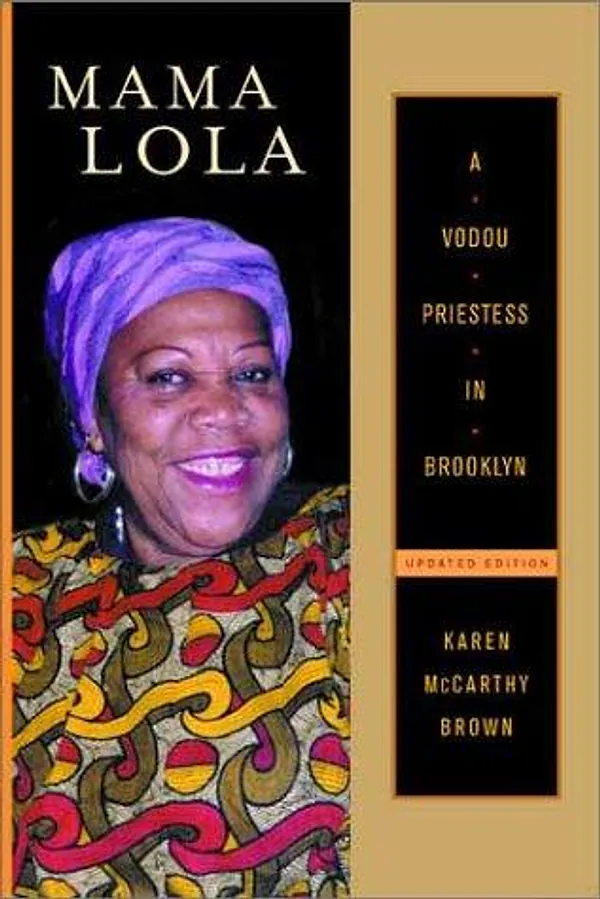 Mama LolaKaren McCarthy Brown The Mechanics of Ancient Egyptian Magical PracticeRobert K. Ritner The Mechanics of Ancient Egyptian Magical PracticeRobert K. Ritner The OdysseyHomer The OdysseyHomer The Old Testament Pseudepigrapha, vol. 1James H. Charlesworth (ed.) The Old Testament Pseudepigrapha, vol. 1James H. Charlesworth (ed.) Pharsalia (Bellum civile)Lucan Pharsalia (Bellum civile)Lucan TobitCarey A. Moore TobitCarey A. Moore
Ancient Christian MagicMarvin Meyer & Richard Smith Ancient Greek Love MagicChristopher A. Faraone Ancient Greek Love MagicChristopher A. Faraone Arcana MundiGeorg Luck The Book of Protection, Being a Collection of CharmsHermann Gollancz (ed. and trans.) The Book of Protection, Being a Collection of CharmsHermann Gollancz (ed. and trans.) Conjure in African American SocietyJeffrey E. Anderson Divine HorsemenMaya Deren The Egyptian Book of the DeadE. A. Wallis Budge Egyptian MagicE. A. Wallis Budge Greek and Roman NecromancyDaniel Ogden Greek and Roman NecromancyDaniel Ogden The Greek Magical Papyri in TranslationHans Dieter Betz Harba de-Moshe (The Sword of Moses)Yuval Harari Harba de-Moshe (The Sword of Moses)Yuval Harari Hoodoo Herb and Root MagicCatherine Yronwode Jewish AntiquitiesFlavius Josephus Jewish AntiquitiesFlavius Josephus Magic in the Ancient WorldFritz Graf Magic in the Ancient WorldFritz Graf Mama LolaKaren McCarthy Brown The Mechanics of Ancient Egyptian Magical PracticeRobert K. Ritner The Mechanics of Ancient Egyptian Magical PracticeRobert K. Ritner The OdysseyHomer The OdysseyHomer The Old Testament Pseudepigrapha, vol. 1James H. Charlesworth (ed.) The Old Testament Pseudepigrapha, vol. 1James H. Charlesworth (ed.) Pharsalia (Bellum civile)Lucan Pharsalia (Bellum civile)Lucan TobitCarey A. Moore TobitCarey A. MooreChronology
The full timeline- Pyramid Texts carved in the tomb of Unasc. 24th century BCE
- The Egyptian Book of the Dead takes shapec. 1550 BCE onward
- Legendary horizon of Moses, Zarathushtra and Hermeslegendary: c. 13th century BCE
- Maqlû anti-witchcraft ritual copied in Assyriac. 7th century BCE
- Earliest parts of 1 Enoch composedc. 3rd century BCE
- Apollonius of Tyana flourishes1st century CE
- Greek Magical Papyric. 2nd century BCE – 5th century CE
- The Chaldean Oracleslater 2nd century
- Destruction of the Serapeum391
- Augustine's City of God413–426
- Aramaic incantation bowlsc. 5th–7th century
- The Sword of Mosesc. 10th century (date debated)