Liber II · Ancient Magic · Chapter I: African Diasporic Religions
African Diasporic Religions: Vodou, Santería, Candomblé and More
A guide to African diasporic religions: Haitian Vodou, Santería, Candomblé, Palo and Umbanda, their West and Central African roots, beliefs and history.
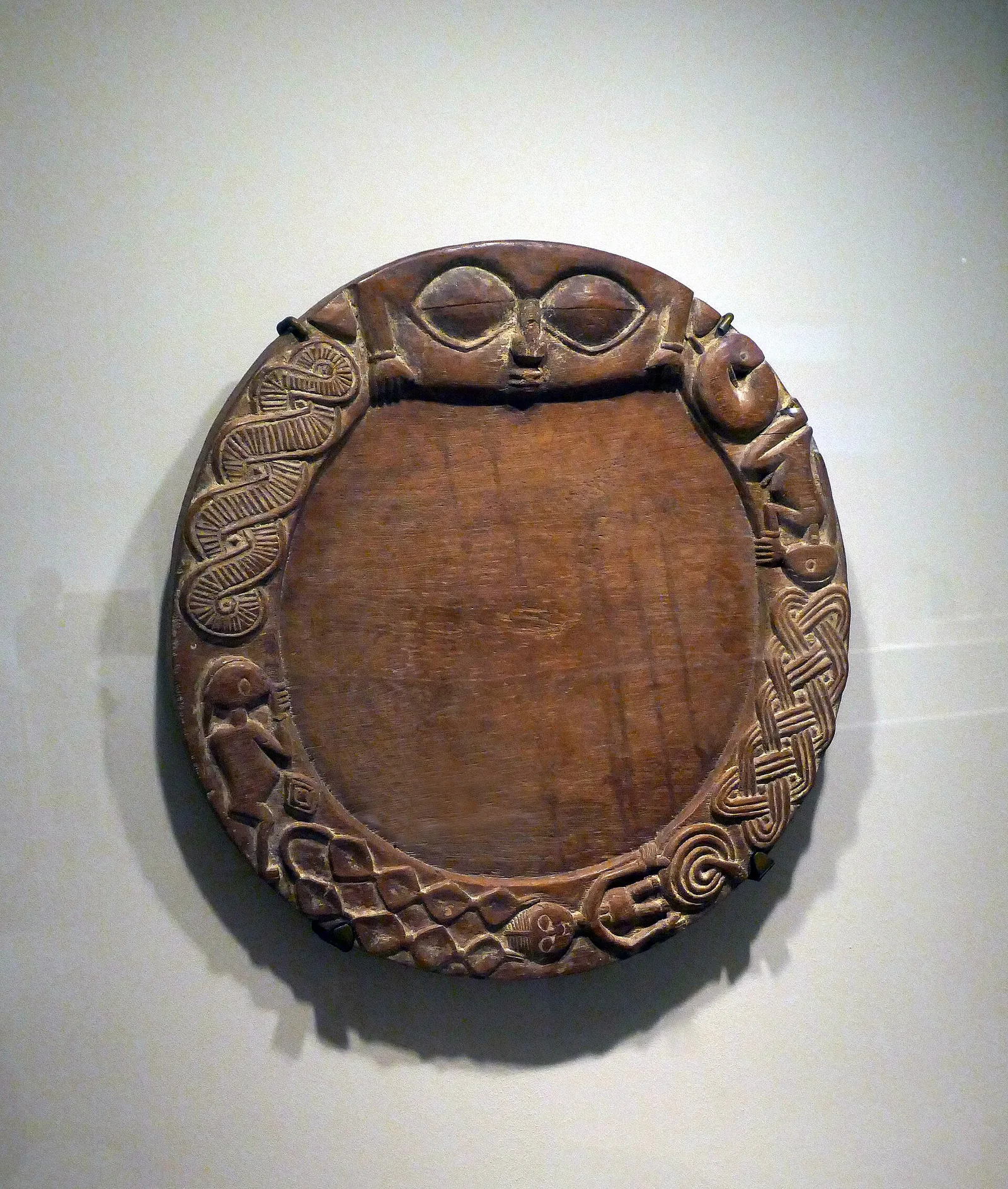
African diasporic religions are the faiths that enslaved Africans and their descendants created in the Americas by reworking West and Central African traditions in contact with Catholicism, Protestantism, Indigenous American practice and European esotericism. The best known are Haitian Vodou, Cuban Santería (Lucumí or Regla de Ocha), Palo Monte, Brazilian Candomblé and Umbanda, Trinidadian Orisha worship and Louisiana Voodoo, all of which honour spirits, ancestors and a distant supreme God through song, drumming, offerings, divination and possession.
African Roots: Yoruba, Fon and Kongo Traditions§
Most enslaved Africans brought to the Americas came from West and West Central Africa. Three religious complexes left an especially deep mark. The Yoruba of what is now south-western Nigeria and Benin venerated òrìṣà (orishas), divine beings such as Ṣàngó of thunder, Ògún of iron, Ọ̀ṣun of rivers and Yemọja of the waters, under the supreme God Olódùmarè, and consulted Ifá, a complex system of divination presided over by the babaláwo. The Fon and Ewe of Dahomey and Togo worshipped vodun, a word meaning spirit or deity that gave its name to Haitian Vodou. The Kongo peoples of Central Africa developed a cosmology centred on the boundary between the living and the dead, expressed in ritual objects called minkisi (singular nkisi) that contain spiritual power.
These were not "primitive" survivals but sophisticated religions with priesthoods, oral literature, sacred music and ethics. Their transmission across the Atlantic happened under extreme violence, which shaped what could be remembered and how it was practised. Scholars since Melville Herskovits in the 1940s have debated how much was preserved, how much reinvented, and how ethnic "nations" in the Americas related to African peoples.
Haitian Vodou and Louisiana Voodoo§
Haitian Vodou took shape in the French colony of Saint-Domingue, where Africans from many regions were brought to work on sugar plantations. It serves the lwa, spirits organised into "nations" (nanchon) such as the cool Rada spirits, associated with Dahomey, and the fiery Petwo spirits, often linked to Kongo and Creole origins. Bondye, the good God, is remote; the lwa are approached through priests (oungan) and priestesses (manbo), ceremonial drawings called vèvè, drumming and possession, in which a lwa is said to "mount" a devotee. A ceremony at Bois Caïman in August 1791 is remembered as the spark of the Haitian Revolution, though historians debate its details.
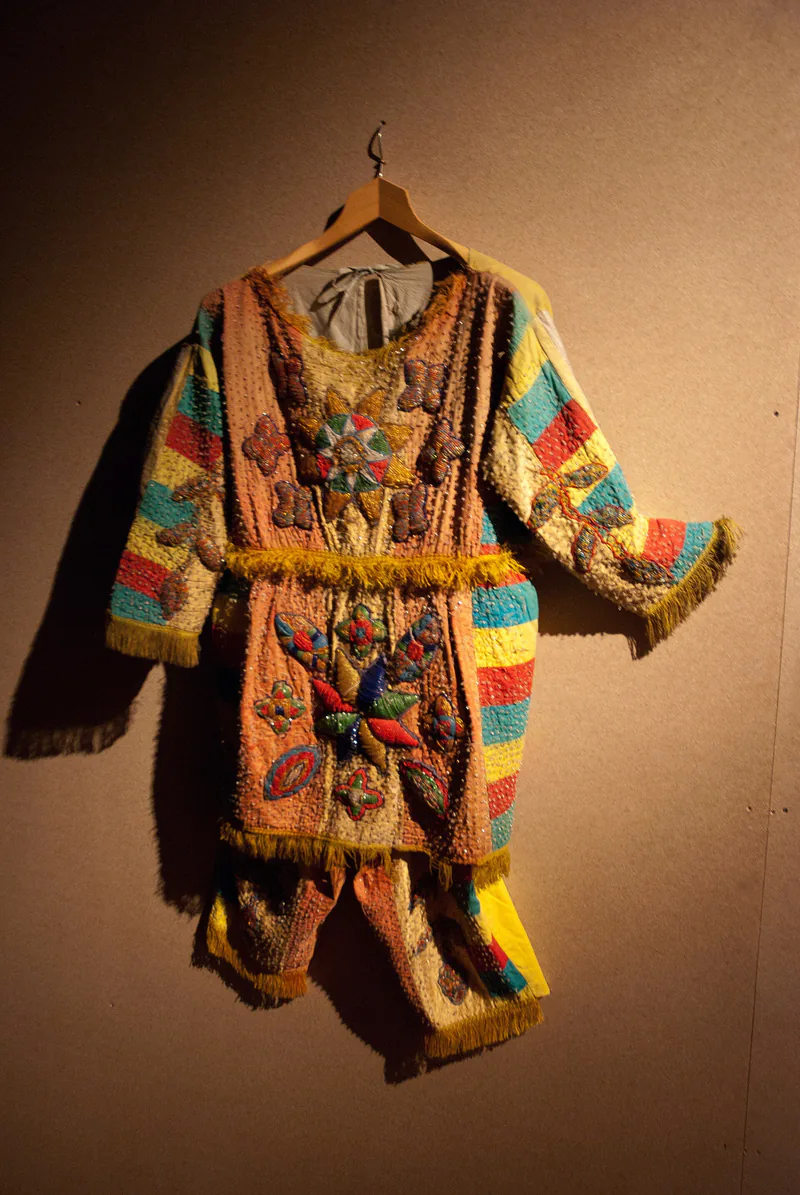
Vodou was repeatedly suppressed, most severely in the Catholic "anti-superstition" campaign of the early 1940s, but it is now protected as a religion in Haiti. Its history and practice are covered in Haitian Vodou. In New Orleans a related tradition developed among free and enslaved people of colour, famous through the nineteenth-century priestess Marie Laveau and described in Louisiana Voodoo and Marie Laveau.
Santería, Ifá and Palo in Cuba§
In Cuba, Yoruba-speaking captives, known locally as Lucumí, arrived in large numbers in the late eighteenth and nineteenth centuries. Catholic lay brotherhoods called cabildos de nación allowed Africans of the same origin to gather, and became incubators of religious life. Out of them came Regla de Ocha, popularly called Santería, in which devotees are initiated to an orisha who "rules their head", and Ifá, the divination priesthood of the babalawos. Divination with sixteen cowrie shells (dilogún) and the oracle of Ifá guide every major decision. The tradition is explained in more depth in Santería, Lucumí and the Orishas.
Cuba also preserved Kongo-derived religion in Palo Monte or Palo Mayombe, centred on a consecrated vessel (nganga) that houses the spirit of the dead and of natural forces, and the Abakuá society, a men's fraternity of Cross River origin. After the Cuban Revolution of 1959, emigration carried these traditions to Miami, New York, Venezuela, Mexico and Spain.
Candomblé, Umbanda and Brazil§
Brazil received more enslaved Africans than any other country, perhaps four to five million. In Bahia, Candomblé crystallised in the nineteenth century around houses (terreiros) led by priestesses; the Casa Branca do Engenho Velho in Salvador is traditionally regarded as one of the oldest. Candomblé is divided into "nations": Ketu (Yoruba-derived, worshipping orixás), Jeje (Fon-derived, worshipping voduns) and Angola (Kongo-Angolan, worshipping inkices). Other regional traditions include Xangô in Recife, Tambor de Mina in Maranhão and Batuque in Rio Grande do Sul.

Umbanda, which emerged in Rio de Janeiro in the early twentieth century, combines African spirits with the Spiritism of Allan Kardec, Catholic saints and figures of the Brazilian past such as the caboclos (Indigenous spirits) and pretos velhos (spirits of elderly enslaved Africans). Its origin is traditionally dated to 1908 and the medium Zélio Fernandino de Moraes, though historians see a longer process. Quimbanda, often presented as Umbanda's shadow, works with the exus and pombagiras, powerful spirits of the street and crossroads.
Other Traditions of the Caribbean and the Americas§
The diaspora produced many further traditions. In Trinidad and Tobago, Orisha worship (formerly called Shango) developed alongside the Spiritual Baptists. Jamaica has Kumina, of Central African origin, and Revival Zion, which mixes Christianity and spirit possession. In Suriname, Winti honours spirits among Afro-Surinamese communities. Across the English-speaking Caribbean, "Obeah" was the colonial legal term for African-derived ritual healing and harm, and it was criminalised in many territories; Diana Paton has shown how these laws shaped the very idea of obeah.
In the United States, African American Protestant Christianity coexisted with conjure or hoodoo, a system of folk magic, healing and protection rather than a separate religion. Since the 1960s, African American converts have also embraced orisha religion directly, notably at Oyotunji Village in South Carolina, founded in 1970.
Saints, Syncretism and Persecution§
A familiar feature of these religions is the pairing of African spirits with Catholic saints: in Cuba, Changó with Saint Barbara, Babalú Ayé with Saint Lazarus; in Haiti, Danbala with Saint Patrick, whose image shows snakes. Older scholarship called this syncretism and sometimes explained it as a mask that allowed Africans to worship their gods under Catholic cover. Many scholars now prefer to speak of parallel or layered systems, in which devotees genuinely revere both the saint and the spirit and see them as aspects of a shared reality.
Persecution was a constant theme. Colonial laws banned drumming, gatherings and healing; post-independence governments in Haiti, Cuba and Brazil periodically raided temples; newspapers, missionaries and Hollywood portrayed the religions as superstition or black magic. Animal offerings, a central ritual in several traditions, have been a frequent target of hostility; in the United States the Supreme Court ruled in Church of the Lukumi Babalu Aye v. City of Hialeah (1993) that local ordinances aimed at Santería sacrifices violated religious freedom.
Study and Contemporary Practice§
The modern study of these religions began with ethnographers such as Fernando Ortiz in Cuba, Nina Rodrigues and later Roger Bastide in Brazil, and Melville Herskovits and Maya Deren in Haiti. Karen McCarthy Brown's Mama Lola (1991), a long portrait of a Haitian priestess in Brooklyn, and J. Lorand Matory's Black Atlantic Religion (2005), which stressed continuing exchanges between Africa and the Americas, changed how the field is written. Practitioners themselves increasingly publish, teach and travel, and initiates from Brazil, Cuba and Nigeria meet in international networks. These religions are best understood not as relics of a lost Africa but as living, adaptable traditions created by people who refused to let their gods be taken from them.
Frequently asked questions§
Are African diasporic religions forms of magic?§
Outsiders have often called them magic, but practitioners regard them as religions with priesthoods, theology, ethics and community life. They include healing, protection and divination, as do many religions, and scholars caution that labelling them "magic" has historically served to delegitimise them.
What is the difference between Vodou, Santería and Candomblé?§
All three blend African and Catholic elements, but they come from different places and African sources. Haitian Vodou serves the lwa and draws heavily on Fon and Kongo traditions; Cuban Santería and Brazilian Ketu Candomblé both centre on Yoruba orishas but developed separate rituals, languages and lineages.
Do these religions worship the devil?§
No. The claim arose from missionary and colonial polemic and from the misreading of figures such as Exu or Papa Legba, guardians of crossroads and communication, as Satan. None of these traditions involves devil worship as Christian theology understands it.
Why do these religions use Catholic saints?§
Enslaved Africans lived in Catholic colonies where saints' images and feast days were everywhere. Pairing saints with African spirits allowed continuity and, at times, concealment, and over generations many devotees came to see the saints as genuine expressions of the spirits they served.
Sources and further reading§
- Divine Horsemen: The Living Gods of Haiti — Maya Deren, 1953
- Flash of the Spirit: African and Afro-American Art and Philosophy — Robert Farris Thompson, 1983
- Mama Lola: A Vodou Priestess in Brooklyn — Karen McCarthy Brown, 1991
- Creole Religions of the Caribbean — Margarite Fernández Olmos and Lizabeth Paravisini-Gebert, 2003
- Black Atlantic Religion: Tradition, Transnationalism, and Matriarchy in the Afro-Brazilian Candomblé — J. Lorand Matory, 2005
- The African Religions of Brazil — Roger Bastide, 1960
- Wizards and Scientists: Explorations in Afro-Cuban Modernity and Tradition — Stephan Palmié, 2002
- The Cultural Politics of Obeah — Diana Paton, 2015
- The Myth of the Negro Past — Melville J. Herskovits, 1941