Liber IX · Gnosticism
Liber IX
Gnosticism & Christian Mysticism
Gnosis, the Nag Hammadi codices, the Cathars and the mystics of the Church.
This section gathers the heterodox and contemplative streams of Christianity: the Gnostic movements of the second and third centuries, with their myths of a hidden God, a fallen Sophia and an ignorant creator; the Nag Hammadi library discovered in Upper Egypt in 1945; Manichaean and Mandaean religion; the dualist Bogomils and Cathars of medieval Europe; and the apophatic mystical theology that runs from Pseudo-Dionysius through Meister Eckhart, the Cloud of Unknowing, Hesychasm and Jacob Boehme. Each article sets out what the sources say and how modern scholarship reads them.
Chapters
The primary texts
All 2- The Mystical Theology (Pseudo-Dionysius the Areopagite)Pseudonymously attributed to Dionysius the Areopagite, Paul's Athenian convert (Acts 17:34); anonymous Syrian author · c. 500 CE; translation by the Shrine of Wisdom, 1923
- The Celestial Hierarchy (Pseudo-Dionysius the Areopagite)Pseudonymously attributed to Dionysius the Areopagite; anonymous author c. 500 CE · c. 500 CE; translation by the Shrine of Wisdom, 1935
On the shelf
All 56 books Against HeresiesIrenaeus of Lyon Against HeresiesIrenaeus of Lyon The AlexiadAnna Komnene The AlexiadAnna Komnene Apophasis and Pseudonymity in Dionysius the AreopagiteCharles M. Stang Apophasis and Pseudonymity in Dionysius the AreopagiteCharles M. Stang Aurora (Morgenröte im Aufgang)Jacob Boehme Aurora (Morgenröte im Aufgang)Jacob Boehme BoehmeAndrew Weeks BoehmeAndrew Weeks 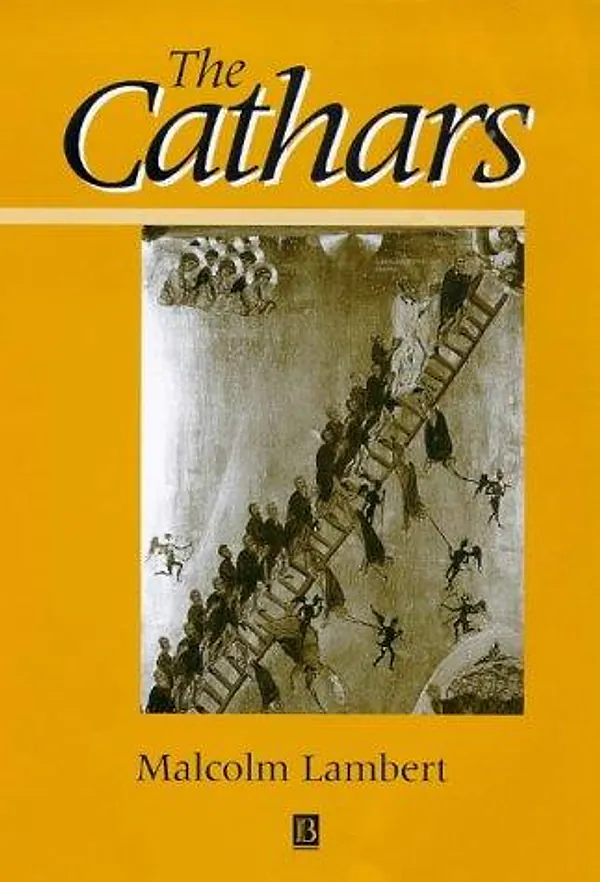 The CatharsMalcolm Lambert Christian Dualist Heresies in the Byzantine World, c. 650–c. 1450Janet Hamilton Christian Dualist Heresies in the Byzantine World, c. 650–c. 1450Janet Hamilton & Bernard Hamilton
 The Cloud of UnknowingAnonymous Commentary on the Gospel of JohnOrigen Commentary on the Gospel of JohnOrigen Corpus DionysiacumBeate Regina Suchla Corpus DionysiacumBeate Regina Suchla, Günter Heil & Adolf Martin Ritter (eds.) The Corruption of AngelsMark Gregory Pegg The Corruption of AngelsMark Gregory Pegg
 Dark Night of the SoulJohn of the Cross De signatura rerum (The Signature of All Things)Jacob Boehme De signatura rerum (The Signature of All Things)Jacob Boehme Denys the AreopagiteAndrew Louth Denys the AreopagiteAndrew Louth Die gnostischen Schriften des koptischen Papyrus Berolinensis 8502Walter C. Till Die gnostischen Schriften des koptischen Papyrus Berolinensis 8502Walter C. Till Excerpts from TheodotusClement of Alexandria Excerpts from TheodotusClement of Alexandria The Facsimile Edition of the Nag Hammadi CodicesInternational Committee for the Nag Hammadi Codices The Facsimile Edition of the Nag Hammadi CodicesInternational Committee for the Nag Hammadi Codices The Formation of a Persecuting SocietyR. I. Moore The Formation of a Persecuting SocietyR. I. Moore The Foundations of MysticismBernard McGinn The Foundations of MysticismBernard McGinn GnosisKurt Rudolph GnosisKurt Rudolph Gnostic ApocalypseCyril O'Regan Gnostic ApocalypseCyril O'Regan
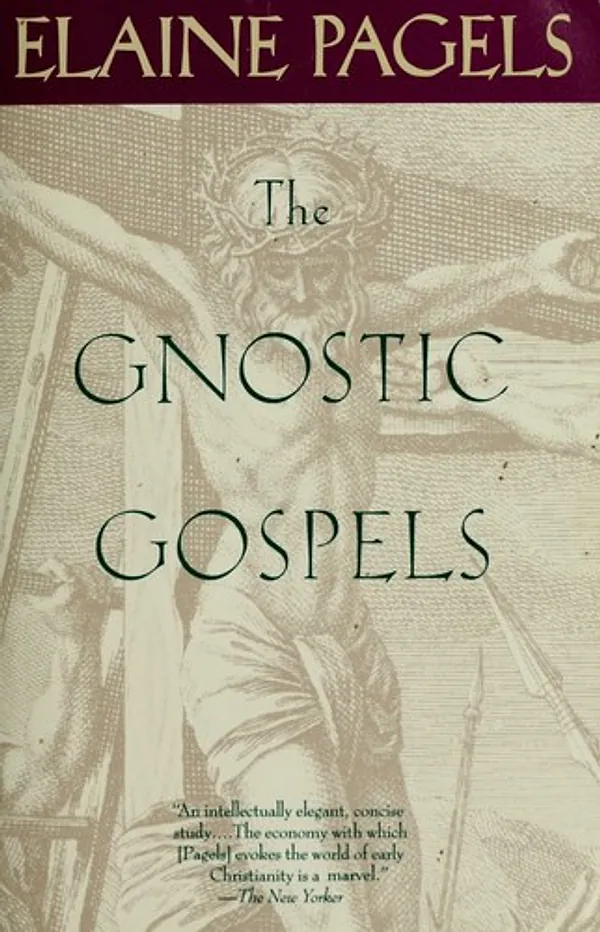 The Gnostic GospelsElaine Pagels
 The Gnostic ReligionHans Jonas The Gnostic ScripturesBentley Layton The Gnostic ScripturesBentley Layton
The CatharsMalcolm Lambert Christian Dualist Heresies in the Byzantine World, c. 650–c. 1450Janet Hamilton Christian Dualist Heresies in the Byzantine World, c. 650–c. 1450Janet Hamilton & Bernard Hamilton The Cloud of UnknowingAnonymous Commentary on the Gospel of JohnOrigen Commentary on the Gospel of JohnOrigen Corpus DionysiacumBeate Regina Suchla Corpus DionysiacumBeate Regina Suchla, Günter Heil & Adolf Martin Ritter (eds.) The Corruption of AngelsMark Gregory Pegg The Corruption of AngelsMark Gregory Pegg Dark Night of the SoulJohn of the Cross De signatura rerum (The Signature of All Things)Jacob Boehme De signatura rerum (The Signature of All Things)Jacob Boehme Denys the AreopagiteAndrew Louth Denys the AreopagiteAndrew Louth Die gnostischen Schriften des koptischen Papyrus Berolinensis 8502Walter C. Till Die gnostischen Schriften des koptischen Papyrus Berolinensis 8502Walter C. Till Excerpts from TheodotusClement of Alexandria Excerpts from TheodotusClement of Alexandria The Facsimile Edition of the Nag Hammadi CodicesInternational Committee for the Nag Hammadi Codices The Facsimile Edition of the Nag Hammadi CodicesInternational Committee for the Nag Hammadi Codices The Formation of a Persecuting SocietyR. I. Moore The Formation of a Persecuting SocietyR. I. Moore The Foundations of MysticismBernard McGinn The Foundations of MysticismBernard McGinn GnosisKurt Rudolph GnosisKurt Rudolph Gnostic ApocalypseCyril O'Regan Gnostic ApocalypseCyril O'Regan The Gnostic GospelsElaine Pagels The Gnostic ReligionHans Jonas The Gnostic ScripturesBentley Layton The Gnostic ScripturesBentley LaytonChronology
The full timeline- Ministry and crucifixion of Jesus of Nazarethc. 30–33 CE
- Simon Magus in Samaria1st century CE
- Basilides teaches in Alexandriac. 120–140
- Marcion breaks with the Roman churchc. 144
- Valentinus teaches in Romec. 136–160
- Irenaeus writes Against Heresiesc. 180
- Mani begins his mission240
- Death of Manic. 274–277
- Nag Hammadi codices producedc. mid-4th century
- Pseudo-Dionysius the Areopagitec. 500
- Bogomil movement in Bulgariac. mid-10th century
- Hildegard of Bingen completes Scivias1151