Birth lore · Your birthday
Birth lore
Gemstones
Birthstones for every month, the stones of the zodiac and the planets, the nine gems of the Navaratna and the twelve of the High Priest's breastplate — with their history, their lore and the science of each mineral.
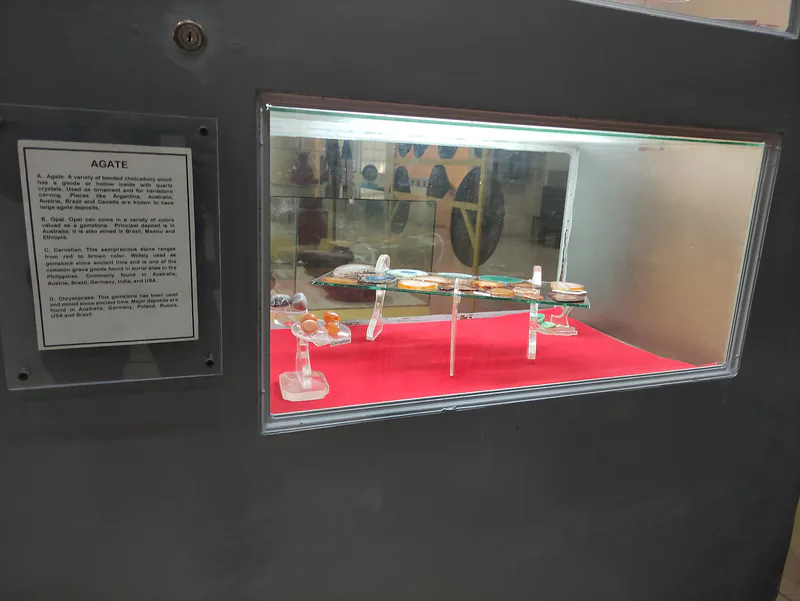 may · junAgateBanded chalcedony named after a river in Sicily, agate is one of the oldest worked stones; it is a breastplate stone in the King James Bible, a stone of Mercury in Agrippa, and a traditional May or June birthstone.
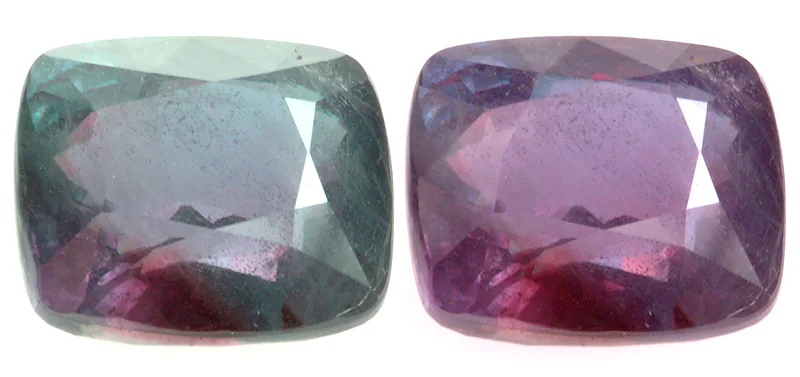 junAlexandriteThe colour-changing chrysoberyl discovered in the Russian Urals in the 1830s, green by day and red by lamplight, named after the future Tsar Alexander II and added to June's birthstones in 1952.
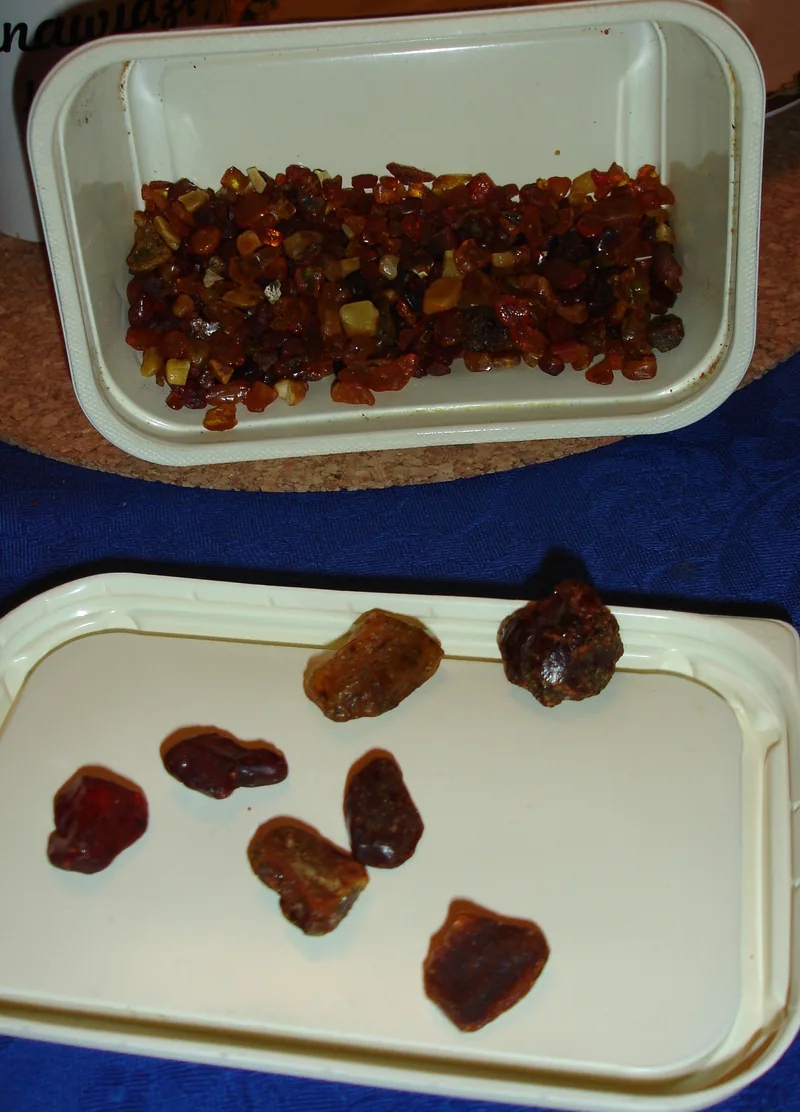 SunAmberAmber is fossilised tree resin, traded from the Baltic since the Bronze Age, named elektron by the Greeks and treasured from Rome to China as a stone of sunlight and memory.
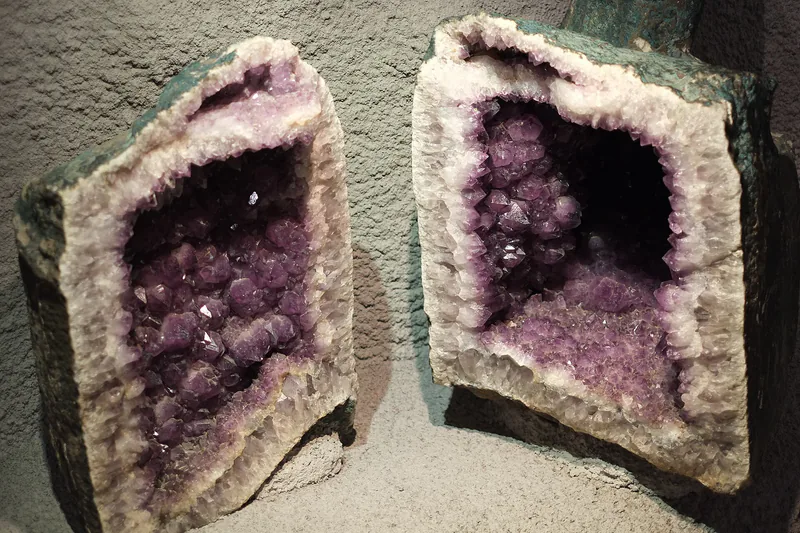 febAmethystThe violet quartz of February, named by the Greeks as the stone 'not drunk', set in the High Priest's breastplate and the foundations of the New Jerusalem, and long associated with the rings of bishops.
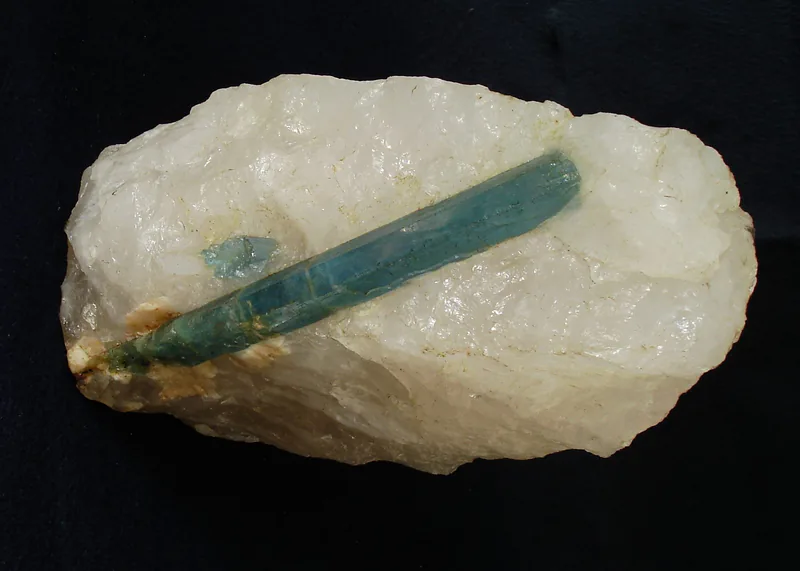 mar · octAquamarineThe sea-blue beryl of March, the stone of sailors in later folklore, whose clear crystals gave Europe its scrying 'beryls' and the German word for spectacles.
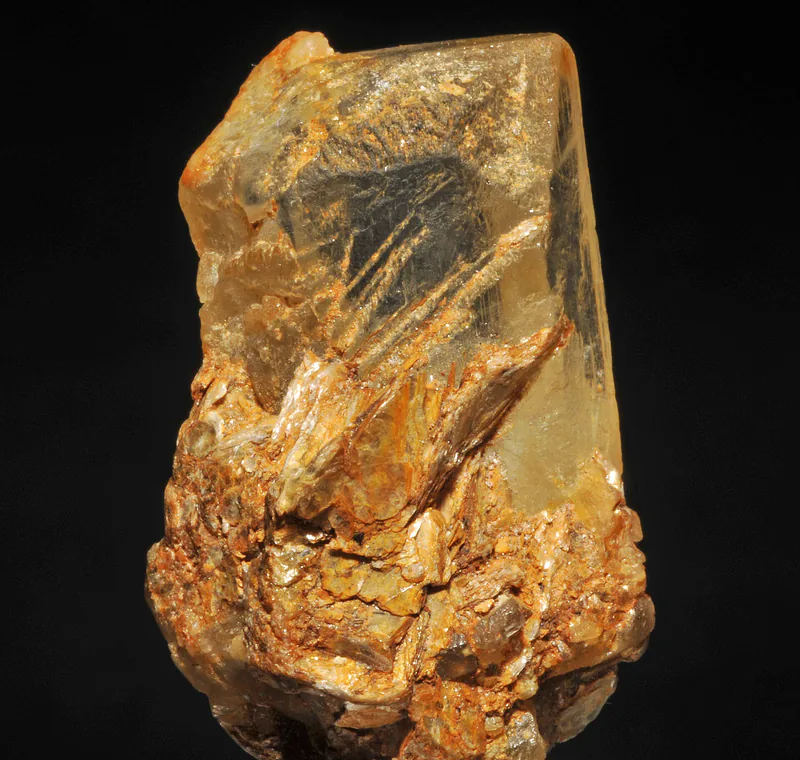 GemstoneBerylBeryl is the mineral species behind emerald and aquamarine; named in the breastplate, the visions of Ezekiel and Daniel and the foundations of Revelation, it was also the classic stone of lenses and scrying.
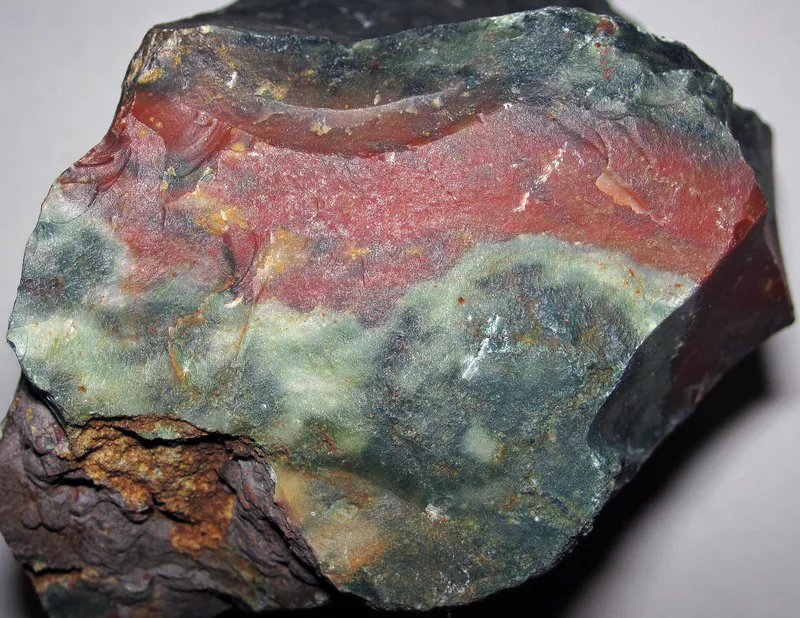 mar · decBloodstoneThe dark green, red-spotted chalcedony that ancient writers called heliotrope, 'sun-turner'; Christian legend made it the stone of Christ's blood, and it is the traditional birthstone of March.
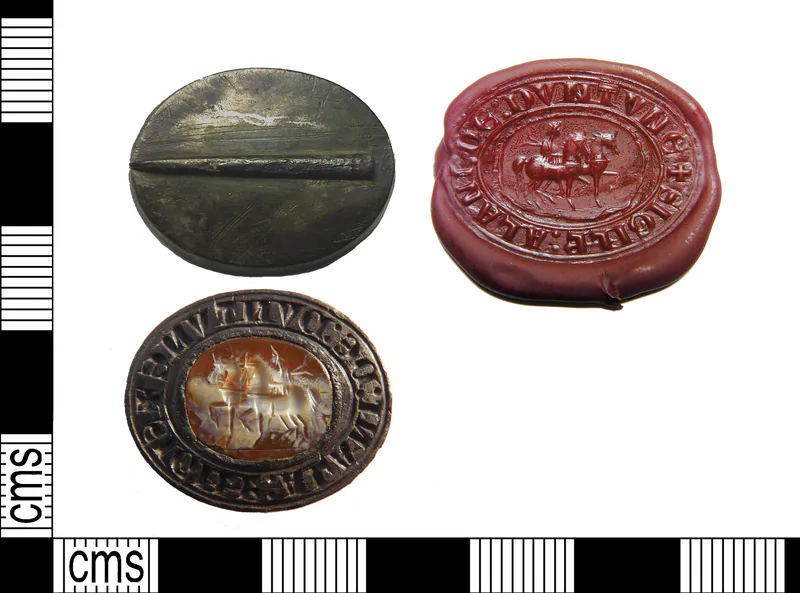 augCarnelianTranslucent red-orange chalcedony, carnelian was bead and seal stone of the Indus cities, Egypt and Rome, the probable 'sardius' of the breastplate, and the aqiq of Islamic ring tradition.
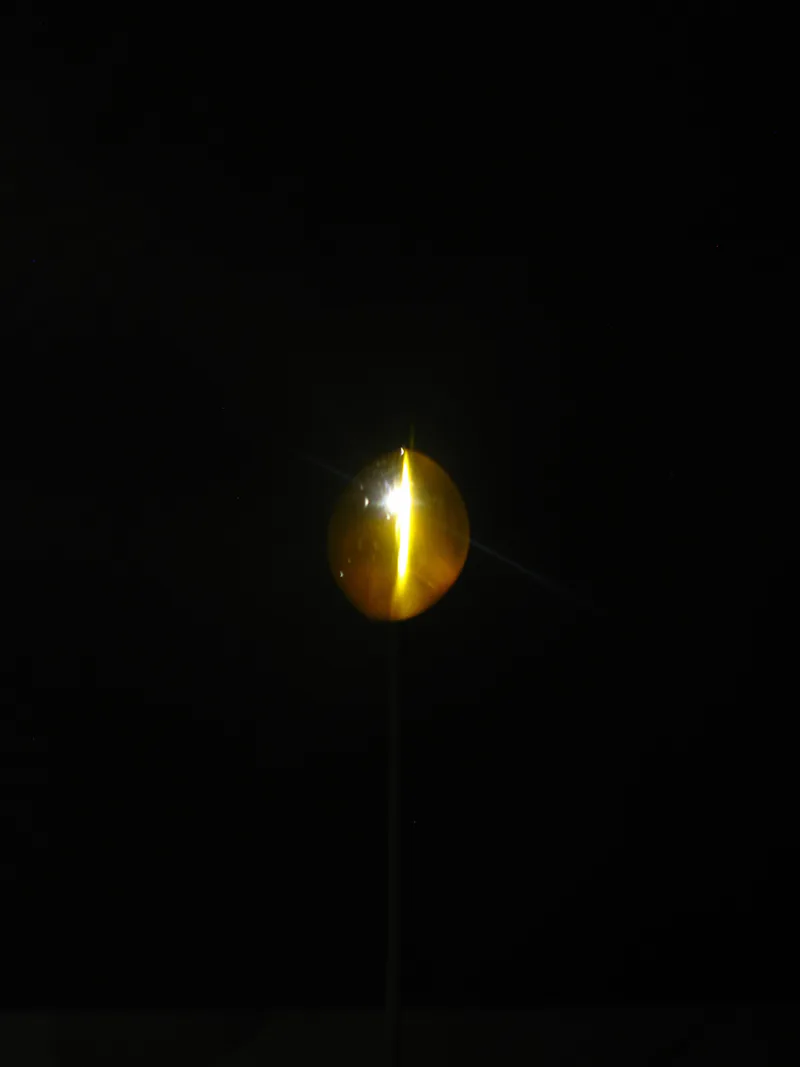 junCat's Eye (Chrysoberyl)Chrysoberyl cat's eye, whose silky band of light seems to open and close like a cat's pupil, is the Navaratna gem of Ketu, the south lunar node; Sri Lanka has long been its classic source.
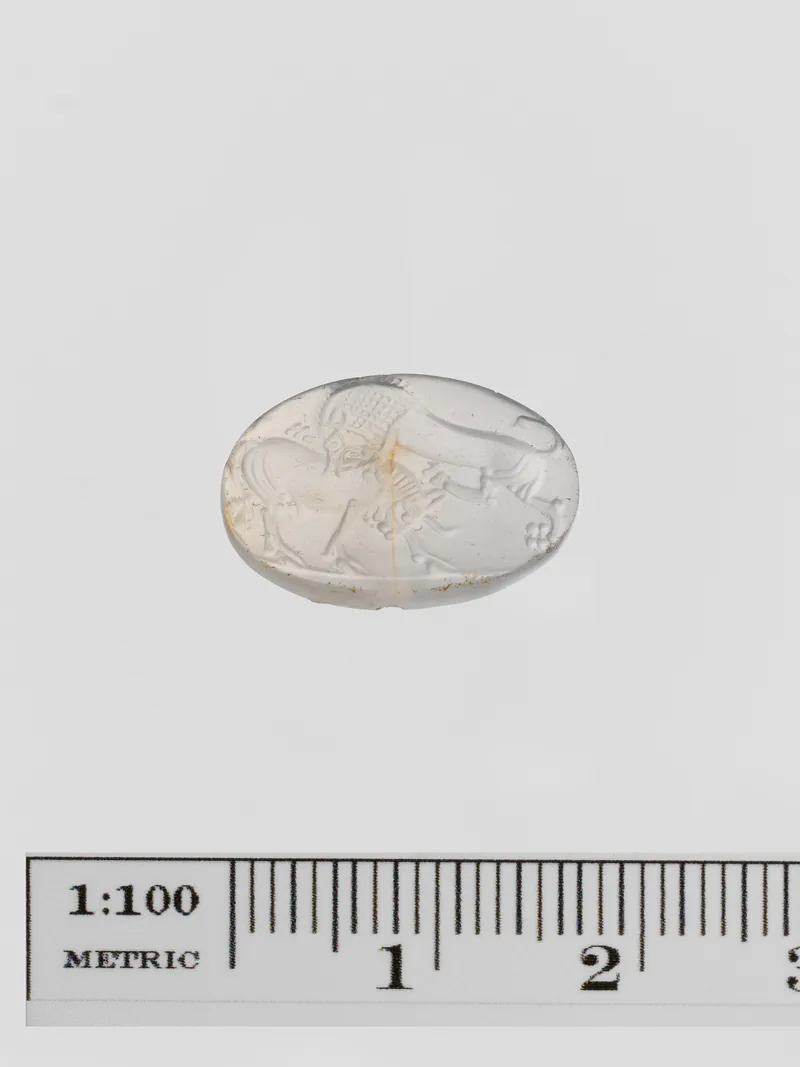 GemstoneChalcedonyChalcedony is the waxy, translucent microcrystalline quartz that includes carnelian, sard, agate and onyx; it is the third foundation stone of the New Jerusalem in Revelation 21.
 VenusChrysopraseApple-green chalcedony coloured by nickel, chrysoprase is the tenth foundation stone of Revelation's heavenly city and was the favourite stone of Frederick the Great; Australia is now its main source.
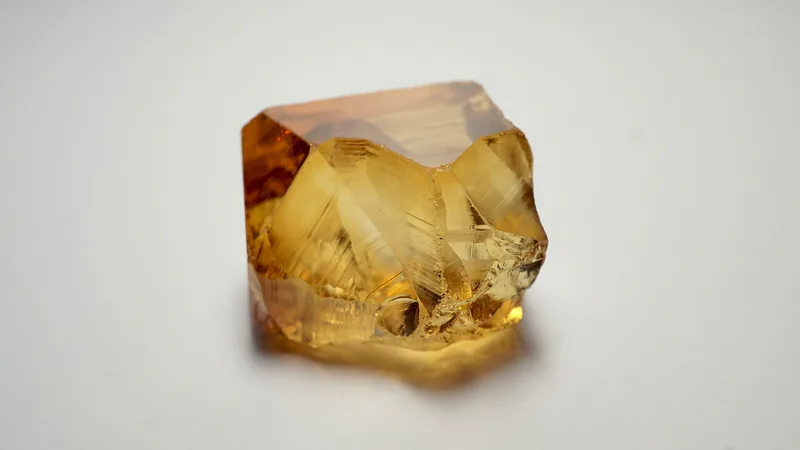 novCitrineCitrine is golden quartz, named from the French word for lemon; long sold as 'topaz', it became a separate gem in the modern trade and was added as a November birthstone in 1952.
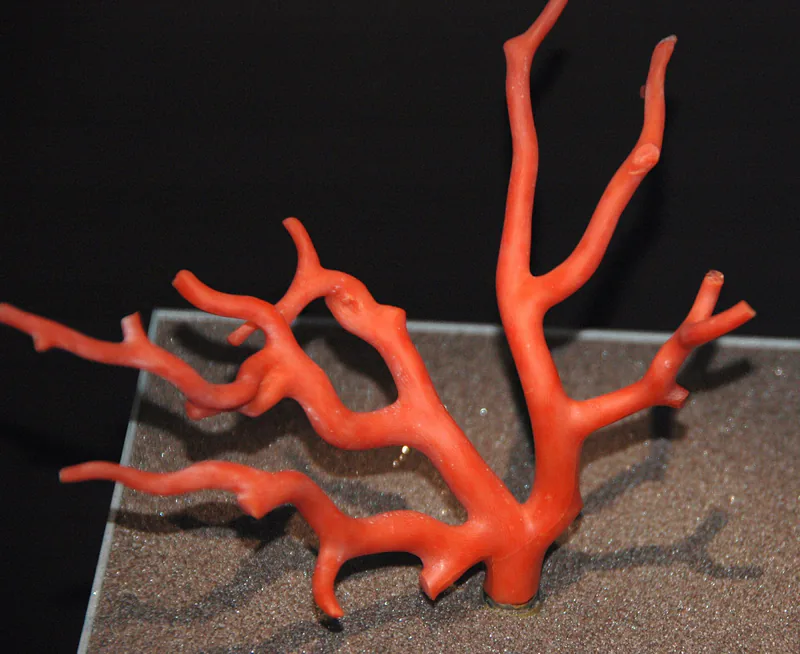 MarsCoral (Precious Coral)Precious red coral, the skeleton of a slow-growing marine animal, is the Navaratna gem of Mars and a protective amulet for children in Mediterranean tradition; it is soft, organic and today subject to conservation concerns.
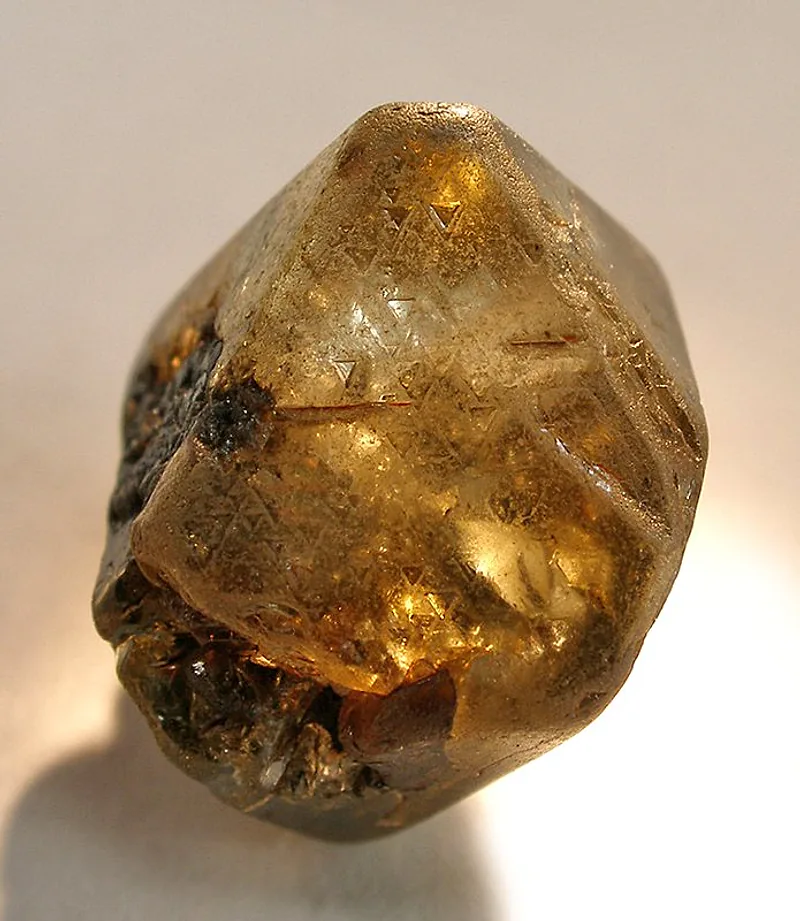 aprDiamondThe hardest natural substance, mined only in India for some two thousand years, the 'unconquerable' adamas of the Greeks, the vajra of Buddhist and Hindu thought and the Navaratna stone of Venus; April's birthstone.
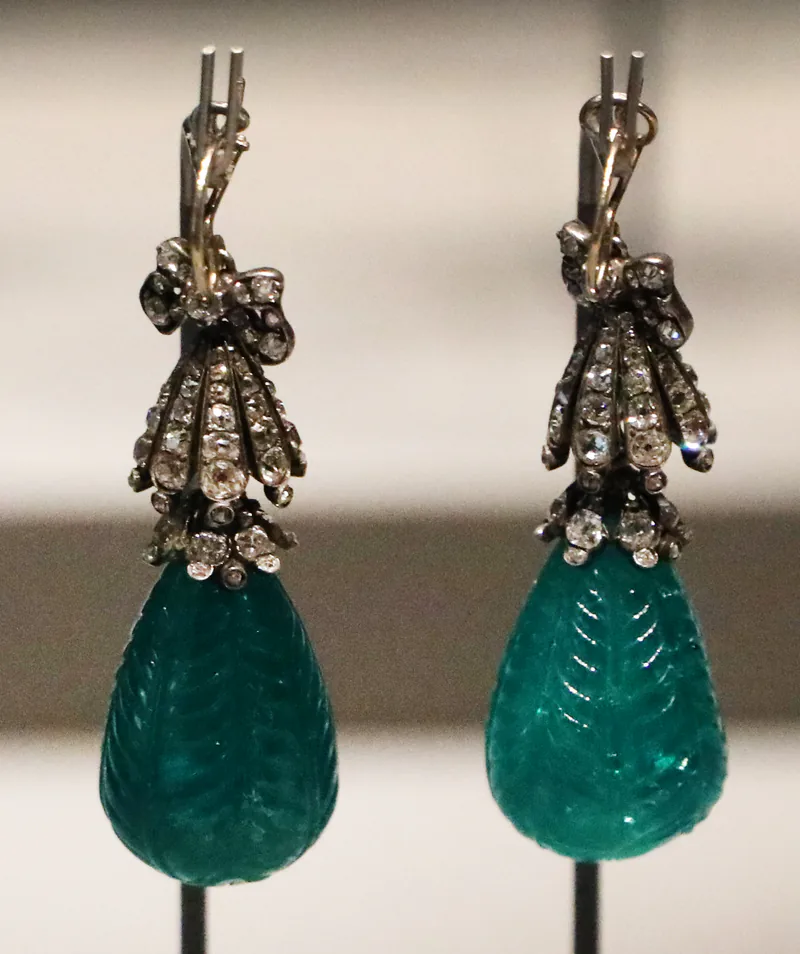 mayEmeraldThe green beryl of May, mined in Roman Egypt and later in Colombia, praised by Pliny as the most restful of colours, linked with the Emerald Tablet of Hermes, and the Navaratna stone of Mercury.
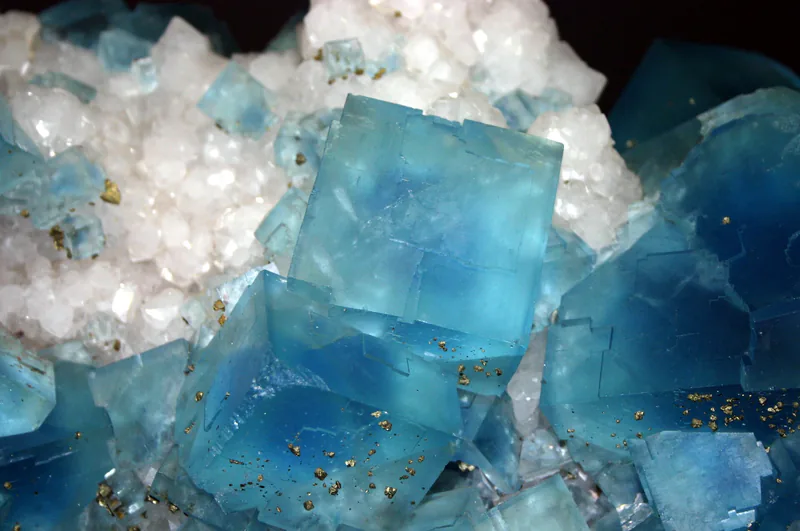 GemstoneFluoriteFluorite is the many-coloured mineral that gave its name to fluorescence, possibly the murrhine of imperial Rome and the Blue John of Derbyshire; its esoteric meanings are modern.
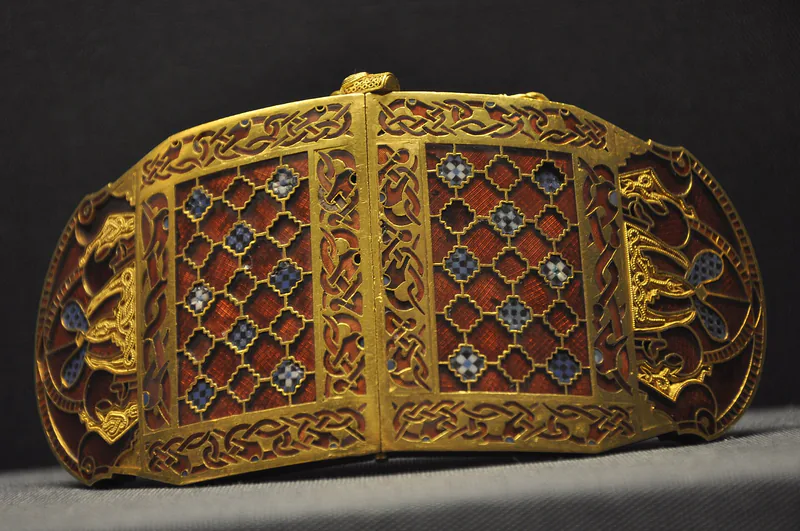 janGarnetThe deep red birthstone of January, the 'carbuncle' of ancient and medieval writers and the glowing stone of Anglo-Saxon goldwork; garnet is in fact a whole family of minerals in almost every colour.
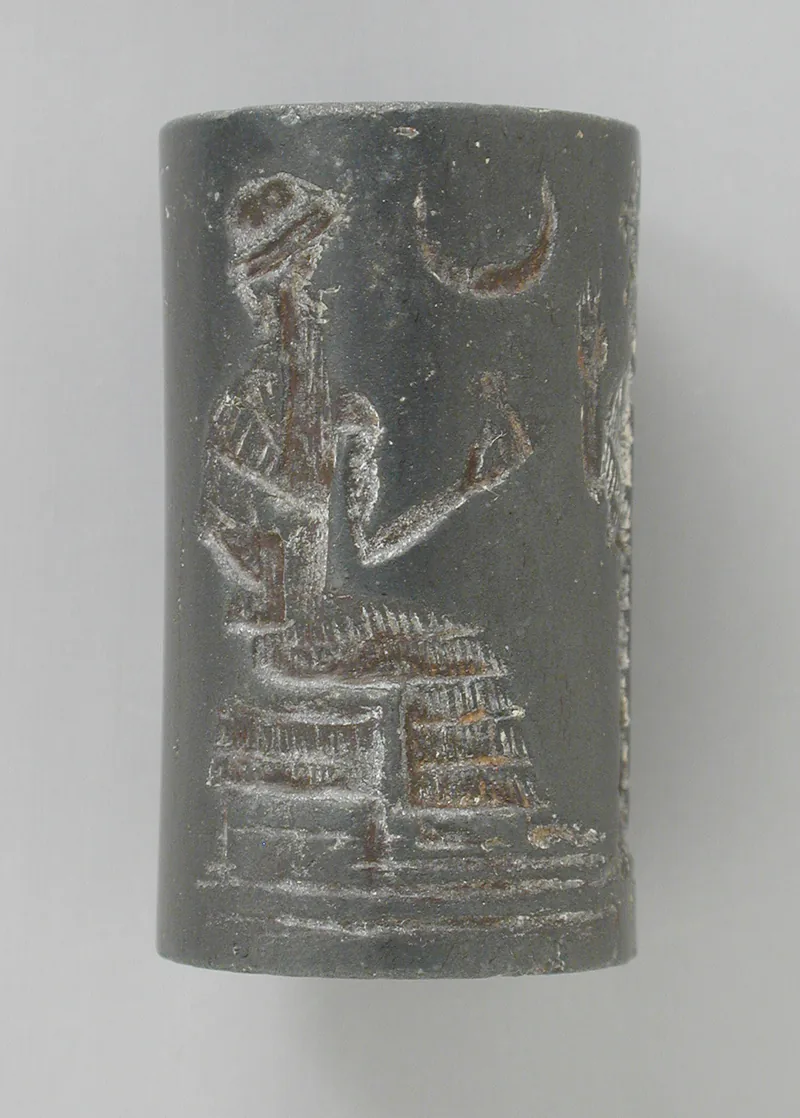 MarsHematiteHematite is the blood-red-streaked iron oxide behind red ochre, Old Babylonian cylinder seals and Egyptian amulets, traditionally placed under Mars. GemstoneHessoniteHessonite is the honey- to cinnamon-coloured grossular garnet known in India as gomed, the Navaratna gem of the shadow planet Rahu.
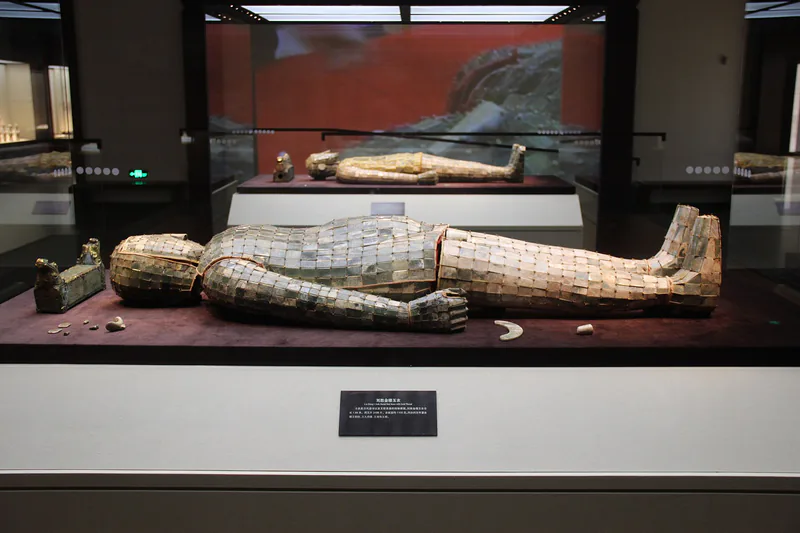 GemstoneJadeJade, the name shared by nephrite and jadeite, has been the supreme sacred stone of China for five thousand years and was prized above gold in ancient Mesoamerica.
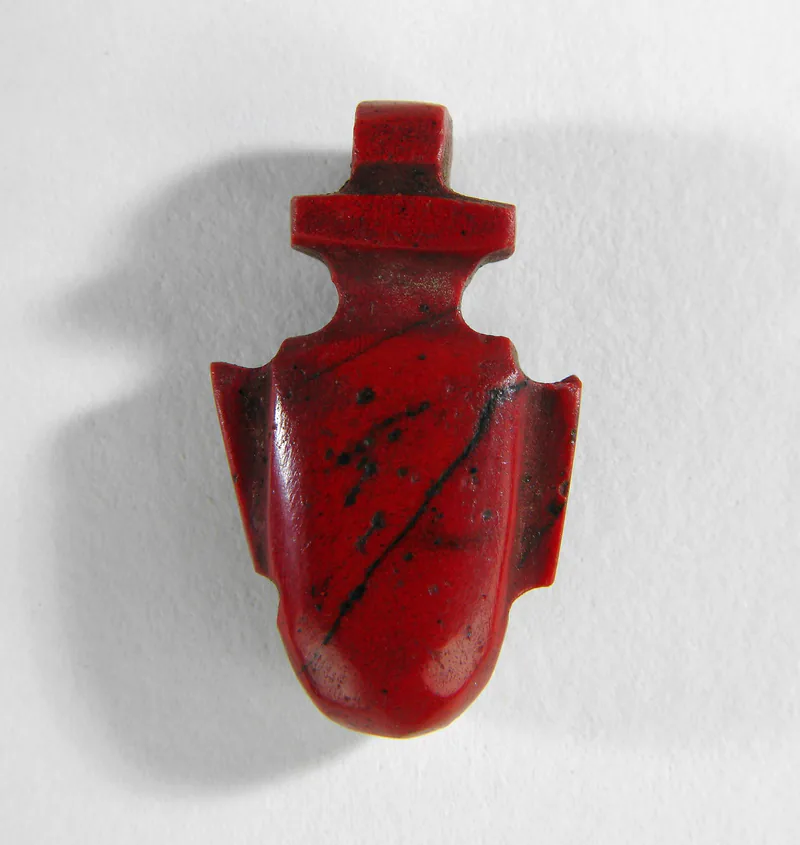 marJasperJasper is opaque, richly coloured quartz used for seals and amulets since antiquity; it is the first foundation of Revelation's heavenly city, though the ancient 'jasper' may have been a different, translucent stone.
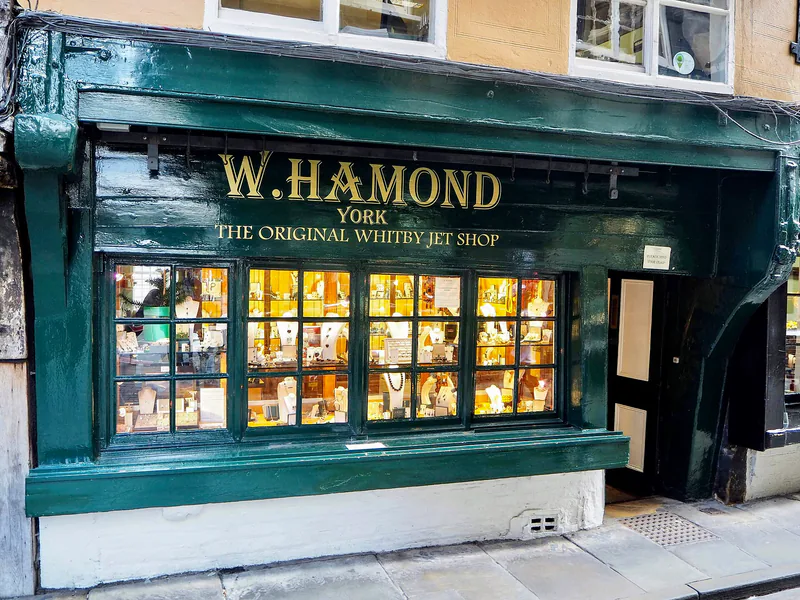 SaturnJetJet is fossilised wood polished to a deep black, worked since the Bronze Age, carried by pilgrims to Santiago, worn against the evil eye and made famous as the stone of Victorian mourning.
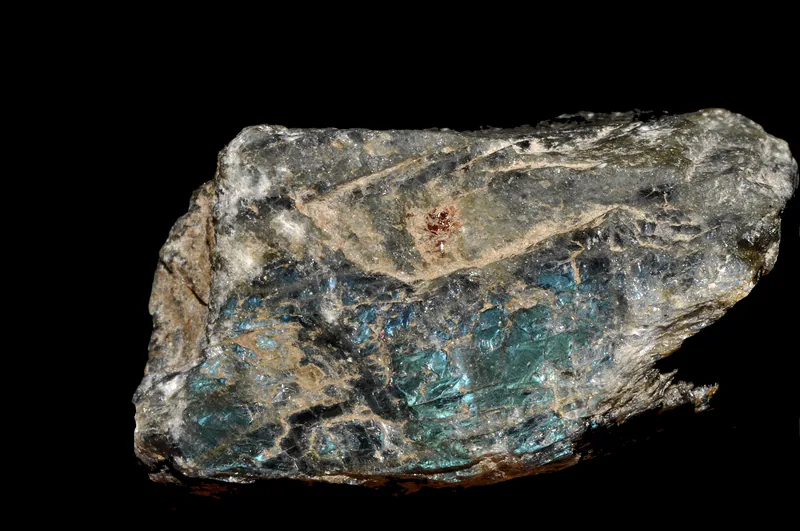 GemstoneLabradoriteLabradorite is a grey feldspar that flashes blue, green and gold; discovered on the Labrador coast around 1770, it owes its spiritual reputation entirely to the modern crystal movement.
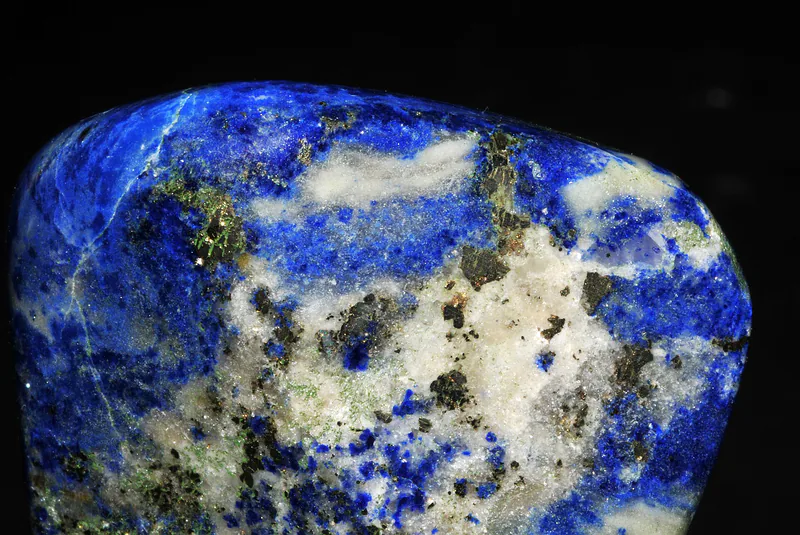 decLapis LazuliDeep blue lapis lazuli, flecked with golden pyrite, has been mined in Afghanistan for some six thousand years; it adorned Sumerian royalty and Egyptian gods, gave painters ultramarine, and was probably the 'sapphire' of the ancient world.
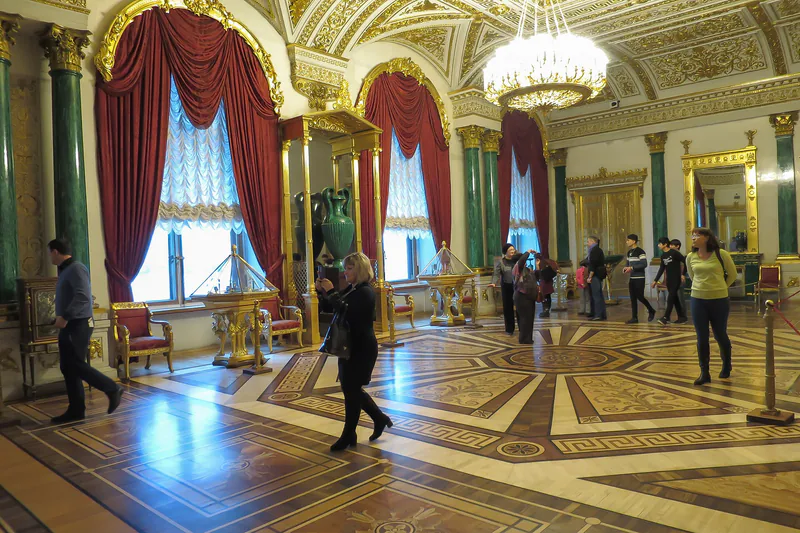 VenusMalachiteMalachite is a banded green copper mineral, ground for eye paint in ancient Egypt, worn against the evil eye in European folk custom and used to line palace rooms in imperial Russia.
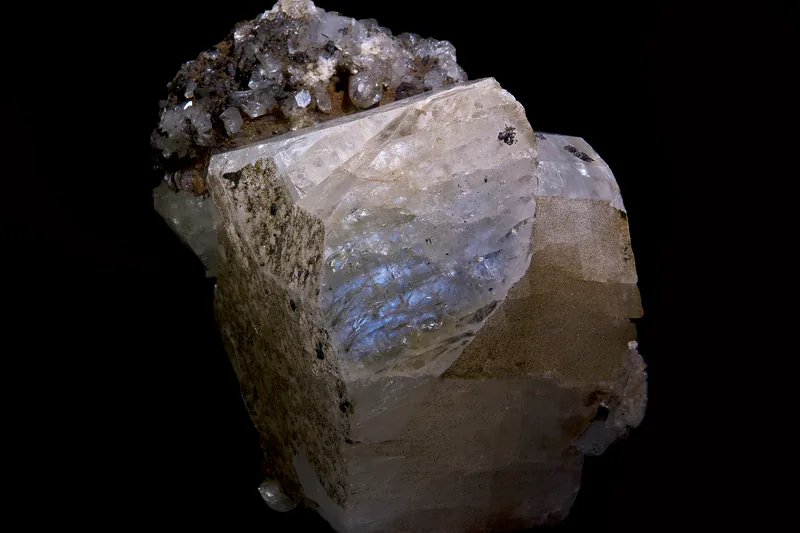 junMoonstoneThe feldspar with a floating blue-white sheen, linked with the moon in Indian and European lore, beloved of Art Nouveau jewellers and added to the June birthstones in 1912.
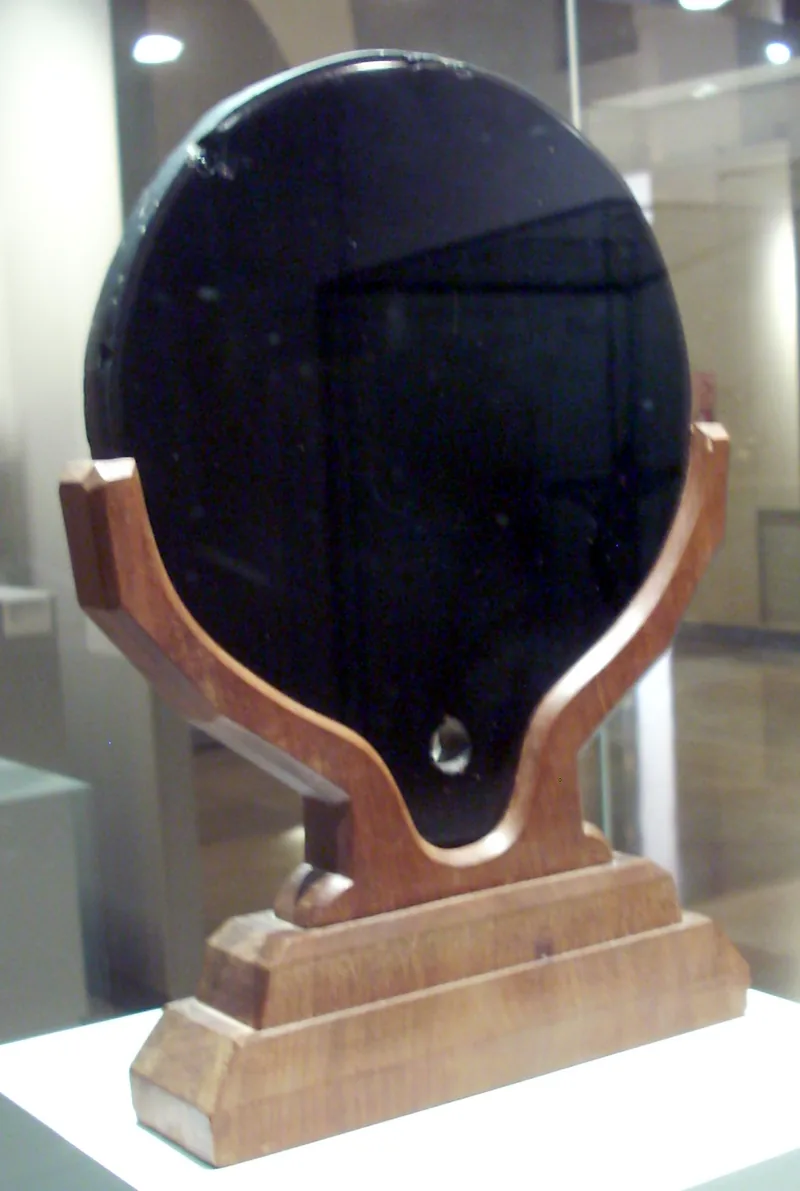 GemstoneObsidianObsidian is natural volcanic glass: the blade and mirror of the ancient world, sacred to the Aztec god Tezcatlipoca, and the material of the mirror associated with John Dee.
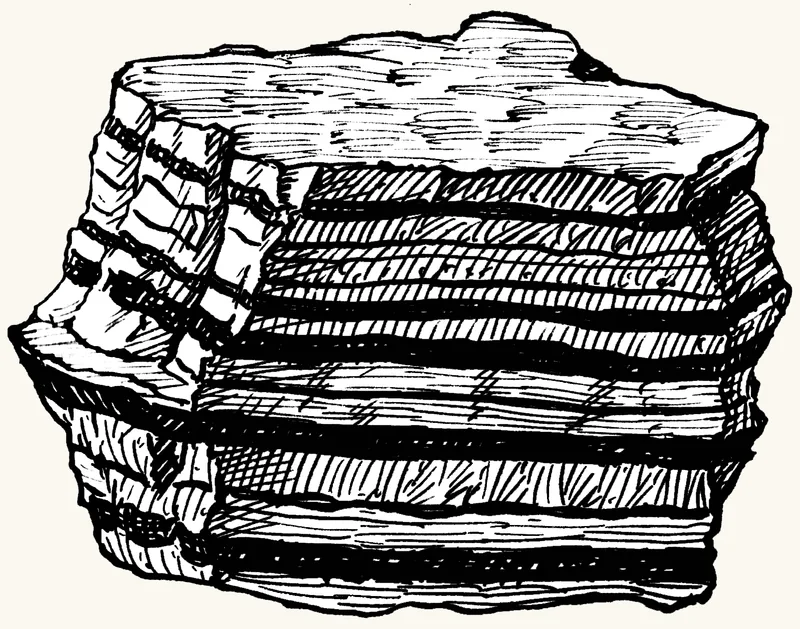 julOnyxOnyx is straight-banded chalcedony, the classic material of cameos; the Bible's shoham stones of the High Priest's ephod are usually translated 'onyx', and Renaissance magic gave it to Saturn.
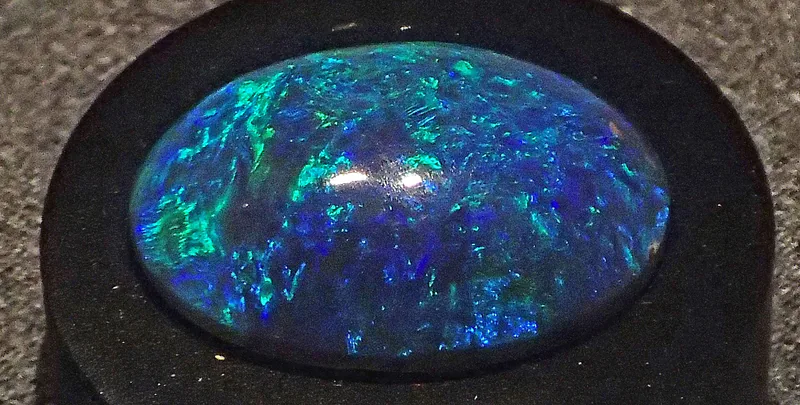 octOpalThe gem that shows every colour at once, praised by Pliny, feared as unlucky after a novel of Walter Scott, and transformed by the Australian opal fields; October's birthstone.
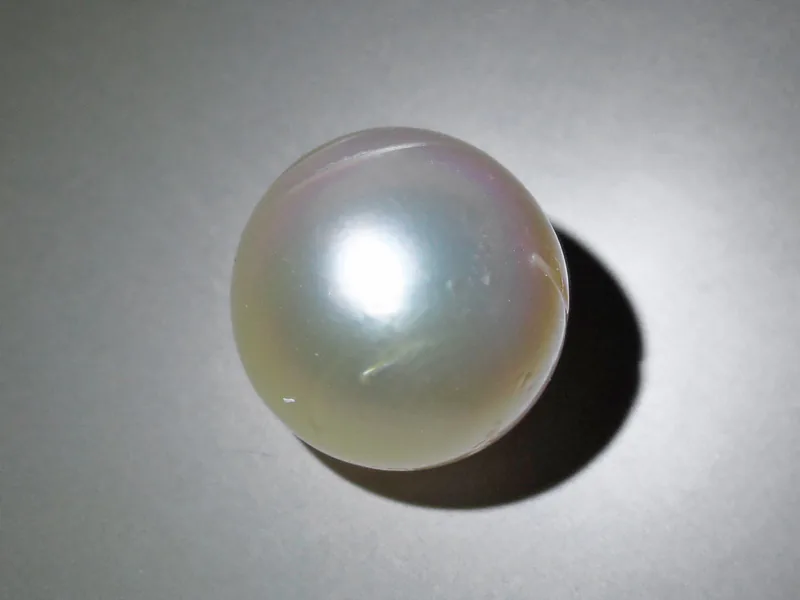 jun · novPearlThe only gem made by a living animal: the 'pearl of great price' of the Gospel, the gates of the heavenly Jerusalem, the soul's treasure in the Gnostic Hymn of the Pearl and the Navaratna stone of the Moon; a June birthstone.
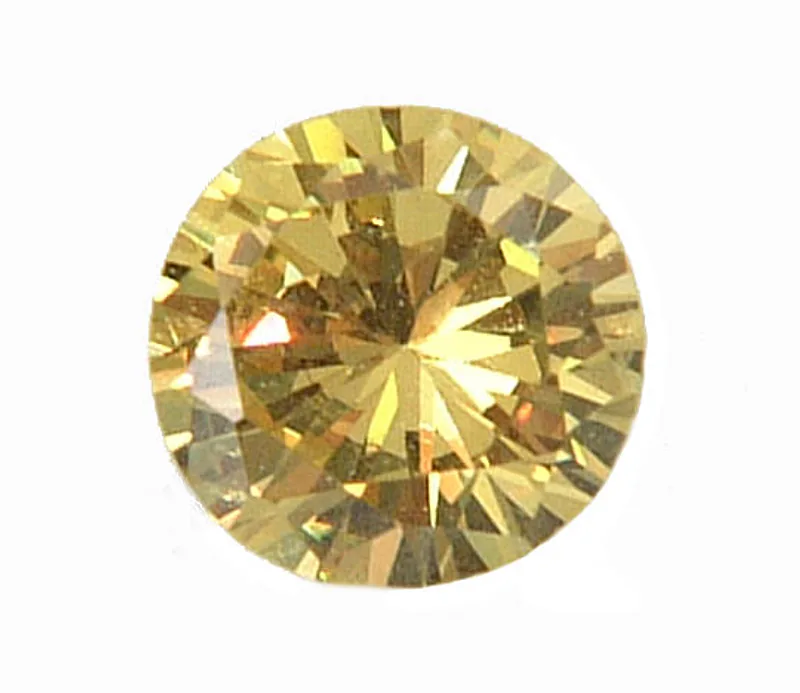 aug · sepPeridotThe olive-green gem of August, mined since antiquity on a Red Sea island, often confused with emerald and long sold as 'chrysolite'; it forms deep in the Earth's mantle and even arrives in meteorites.
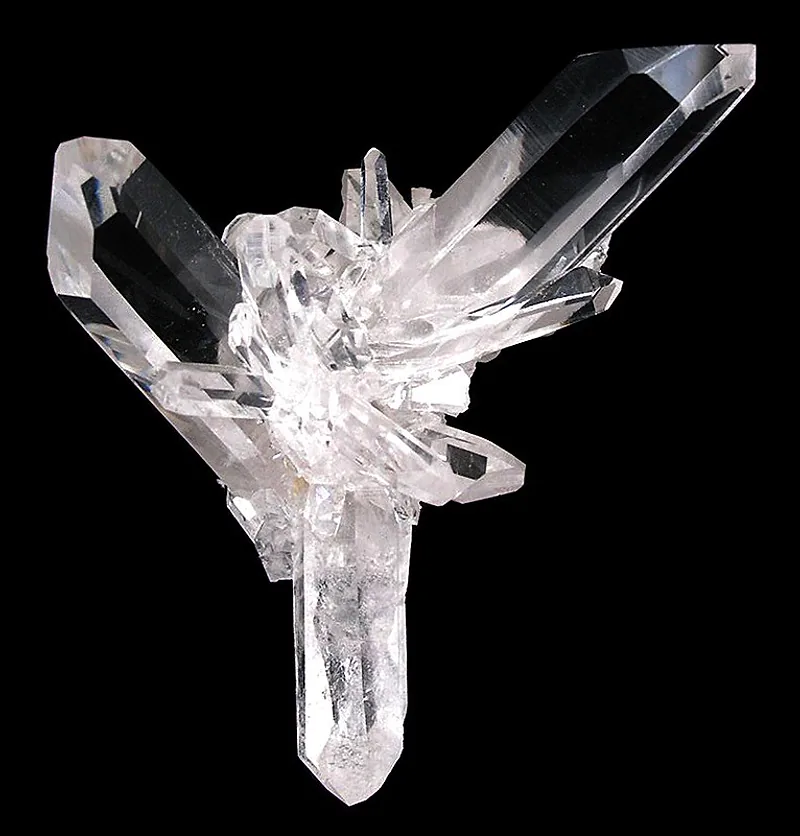 MoonRock Crystal (Clear Quartz)Rock crystal, colourless quartz, gave the word 'crystal' to Western languages; it was carved into Fatimid ewers and medieval reliquaries, used for scrying spheres, and today keeps time in quartz watches.
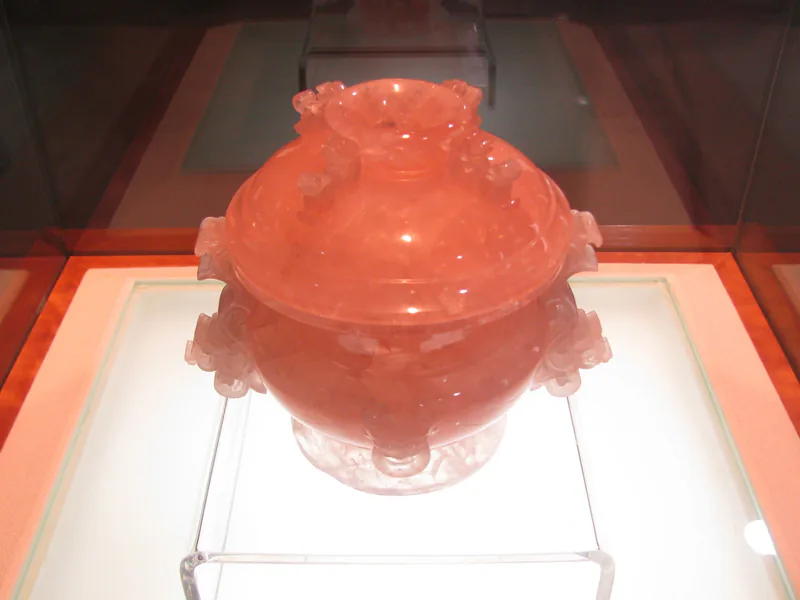 VenusRose QuartzRose quartz is the soft pink form of quartz, carved in Qing China and made the world's best-known 'love stone' by the twentieth-century crystal movement.
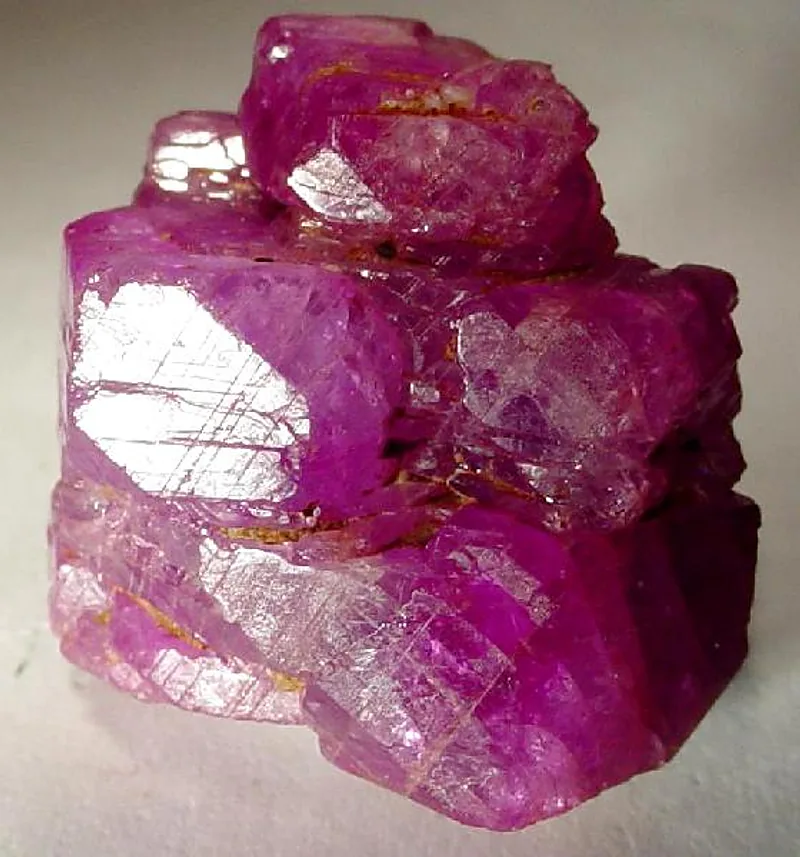 jul · decRubyThe red corundum that Sanskrit texts called the king of gems, the Navaratna stone of the Sun, prized from Burma to the courts of Europe; July's birthstone, though many famous 'rubies' are really spinels.
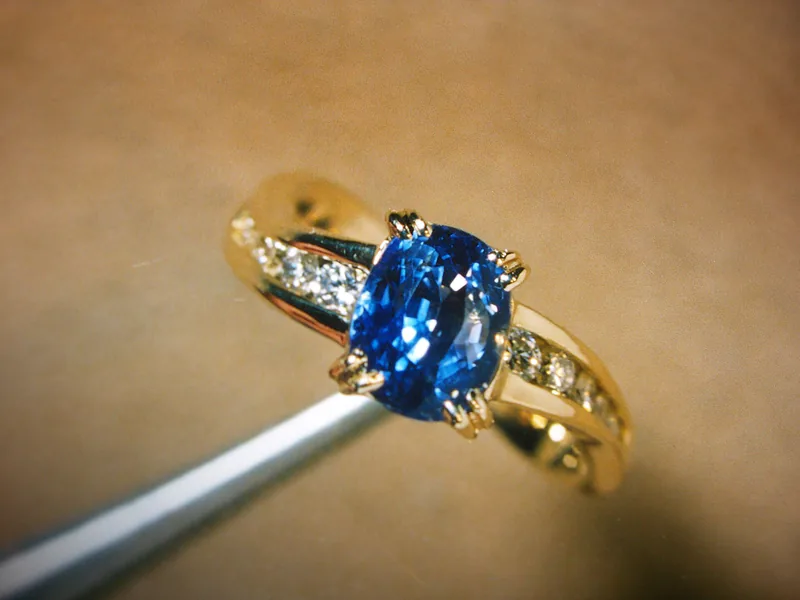 sep · aprSapphireCorundum of every colour except red: blue sapphire (Neelam), the feared and revered Navaratna stone of Saturn, yellow sapphire (Pukhraj), the stone of Jupiter, and in the West the gem of heaven, kings and bishops; September's birthstone.
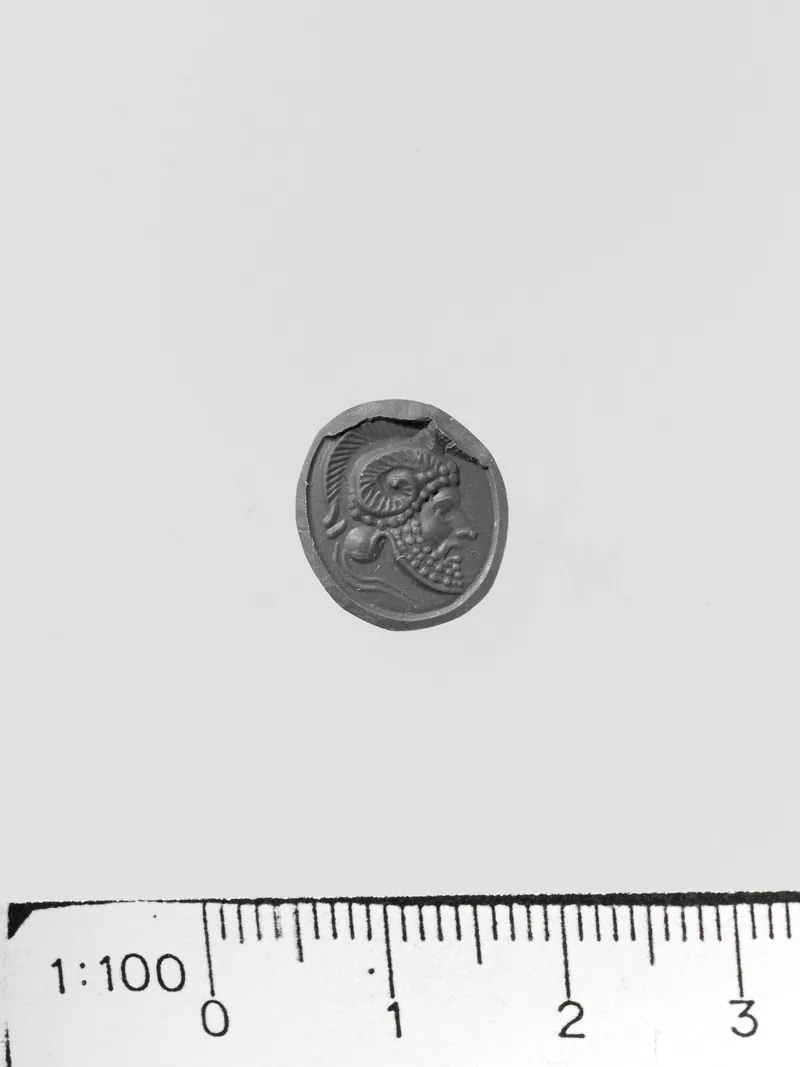 GemstoneSardSard is the brownish-red chalcedony that heads the High Priest's breastplate in Exodus 28 and was the favourite seal stone of the Greek and Roman engravers.
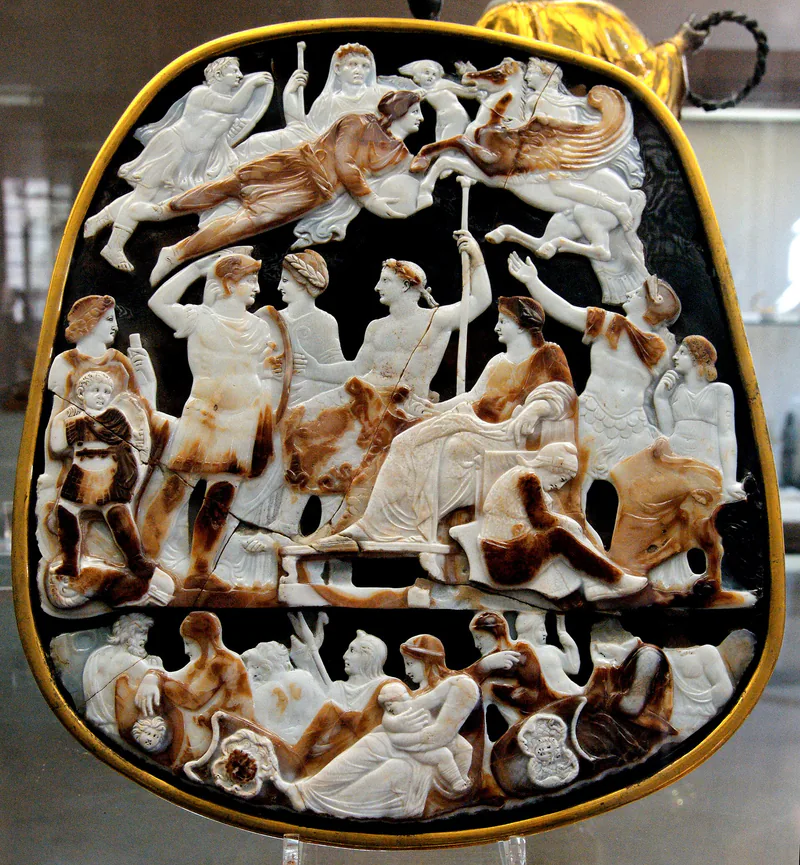 augSardonyxLayered red and white chalcedony, the Roman seal-stone par excellence and the material of the greatest ancient cameos, the fifth foundation stone of the New Jerusalem and a birthstone of August.
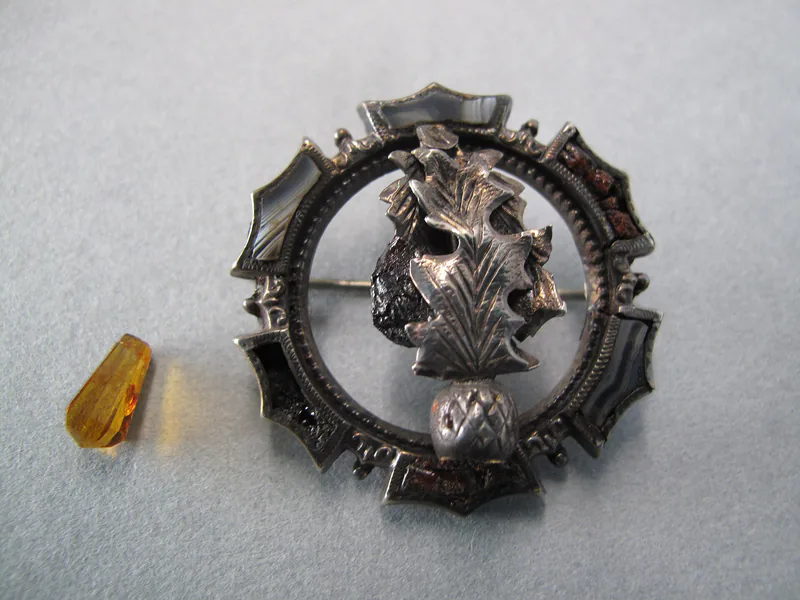 GemstoneSmoky QuartzSmoky quartz is brown to black quartz darkened by natural radiation, famous as the Scottish cairngorm and the prize of Alpine crystal hunters.
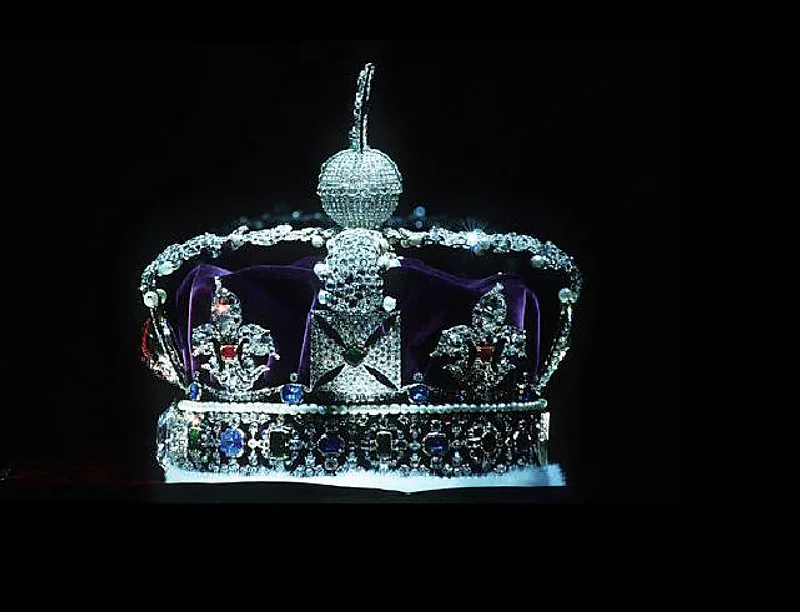 augSpinelThe great impostor of history: the red stone behind the Black Prince's Ruby, the Timur Ruby and Catherine the Great's crown, mined in Badakhshan as the 'balas ruby' and added to August's birthstones in 2016.
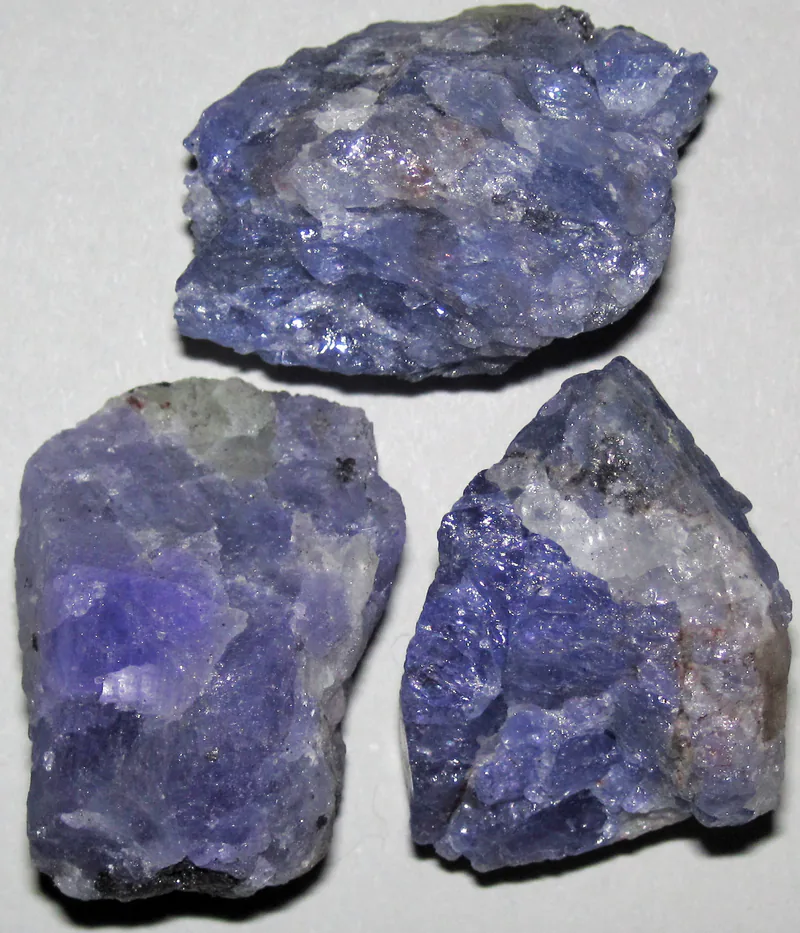 decTanzaniteTanzanite is a blue-violet zoisite found in a single small area of northern Tanzania, discovered in 1967 and added as a December birthstone in 2002; it has no premodern lore at all.
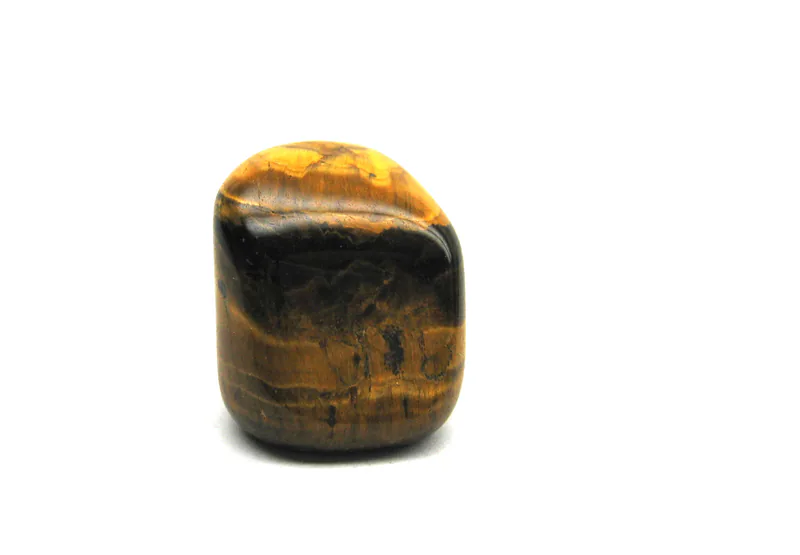 SunTiger's EyeTiger's eye is a golden quartz with a rolling band of silky light, unknown before the nineteenth century and now a popular modern charm of courage and protection.
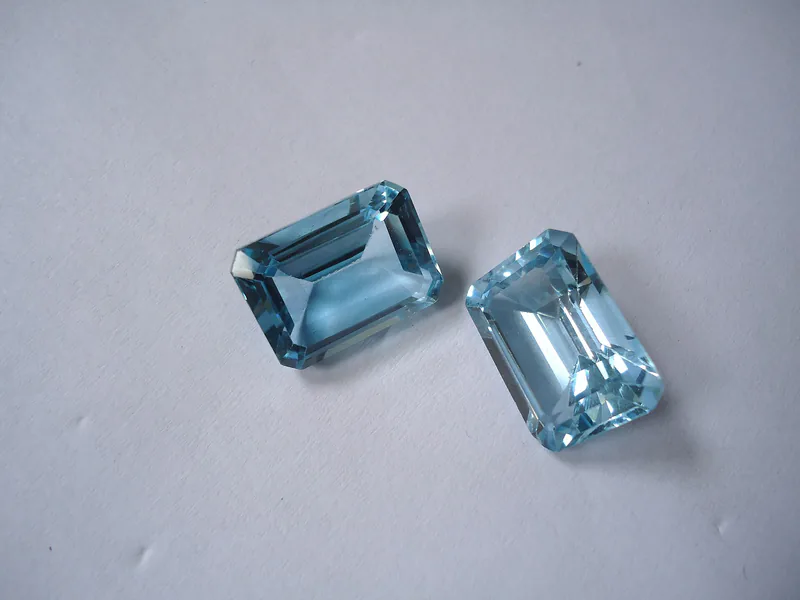 novTopazThe November birthstone carries one of the oldest gem names, though the ancient 'topaz' was probably a different, green stone; the modern mineral is a hard aluminium fluorosilicate found in golden, pink, colourless and blue crystals.
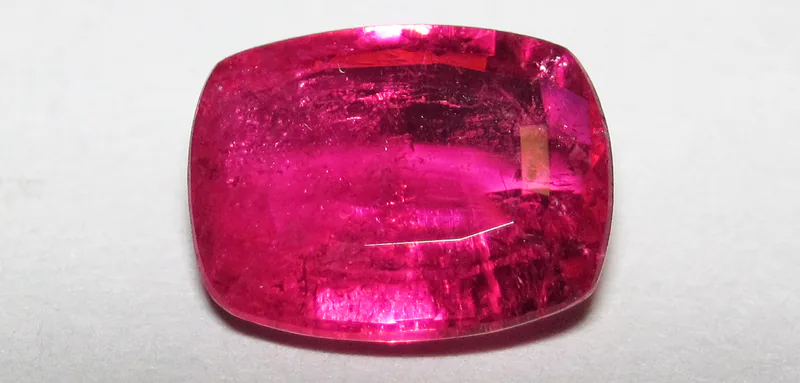 octTourmalineA family of boron-bearing silicates that grows in almost every colour, tourmaline was sold for centuries as ruby, emerald or sapphire before mineralogists recognised it; it is a modern October birthstone.
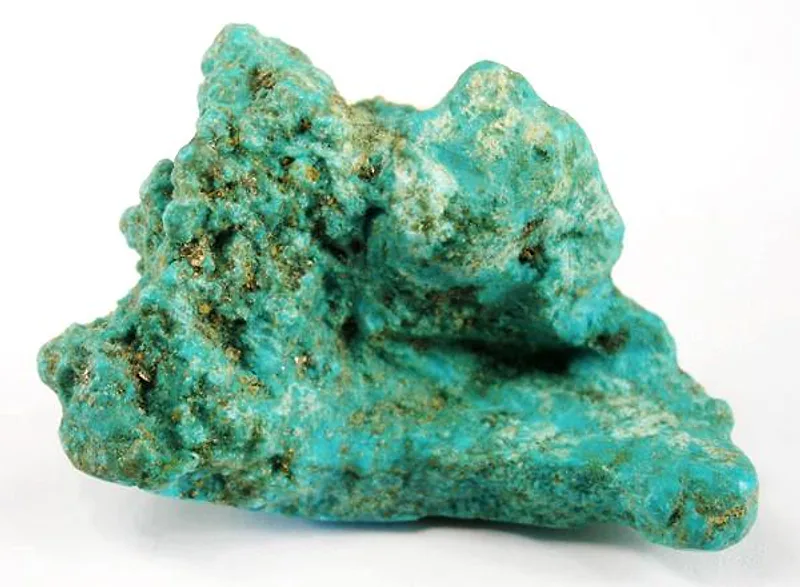 decTurquoiseOne of the first gems ever mined, turquoise was treasured independently in Egypt, Persia, Tibet and the Americas; it is the December birthstone in both older and modern lists.
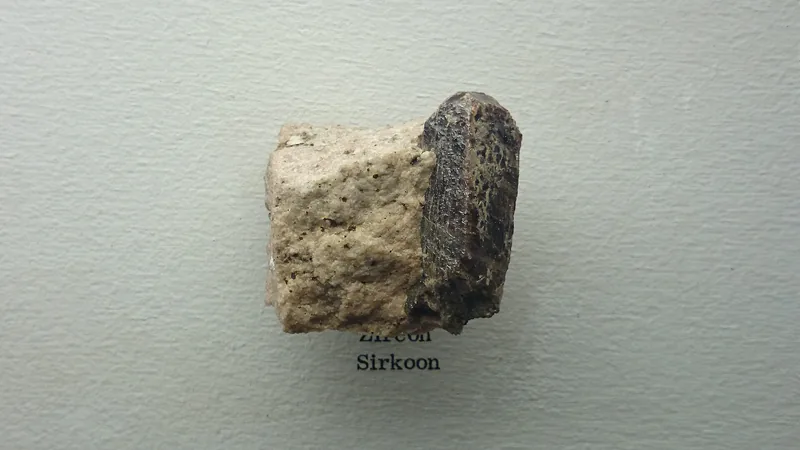 decZirconZircon, the 'hyacinth' or 'jacinth' of older writers, is a brilliant natural gem that includes the oldest known crystals on Earth; it became a December birthstone in 1952 and should not be confused with synthetic cubic zirconia.