Liber XXIX · Symbols
Liber XXIX
Symbols & Sacred Geometry
The meanings and histories of sacred signs and sacred proportion.
Symbols carry the memory of traditions. This section is a reference to the sacred signs used across esoteric and religious history, from the ankh, the hexagram and the pentagram to the ouroboros, the caduceus and the Eye of Providence, with notes on their origins and changing meanings. It also covers sacred geometry: the vesica piscis, the golden ratio, the Platonic solids and the use of number and proportion in sacred art and architecture.
Chapters
The primary texts
All 5- Sigillum Dei Aemeth (Seal of God's Truth)Described in the Liber Iuratus attributed to Honorius of Thebes; later forms by John Dee · Earliest witnesses 14th century; Dee's version 1582; Kircher 1652–1654
- Semamphoras Table (Berengar Ganell)From Berengar Ganell's Summa Sacrae Magicae (1346); web study by Joseph H. Peterson · 1346 (Summa); web edition 2024
- The Hieroglyphic MonadJohn Dee (1527–1608) · Antwerp, 1564
- The Goddess: Her Names and Symbols (Kircher’s Isis)Athanasius Kircher SJ (1602–1680), in Oedipus Aegyptiacus · Rome, 1652–1654
- Zoroaster’s EggAthanasius Kircher SJ (1602–1680), in Oedipus Aegyptiacus · Rome, 1652–1654
On the shelf
All 9 books Athanasius KircherPaula Findlen (ed.) Athanasius KircherPaula Findlen (ed.) Athanasius Kircher's Theatre of the WorldJoscelyn Godwin Athanasius Kircher's Theatre of the WorldJoscelyn Godwin 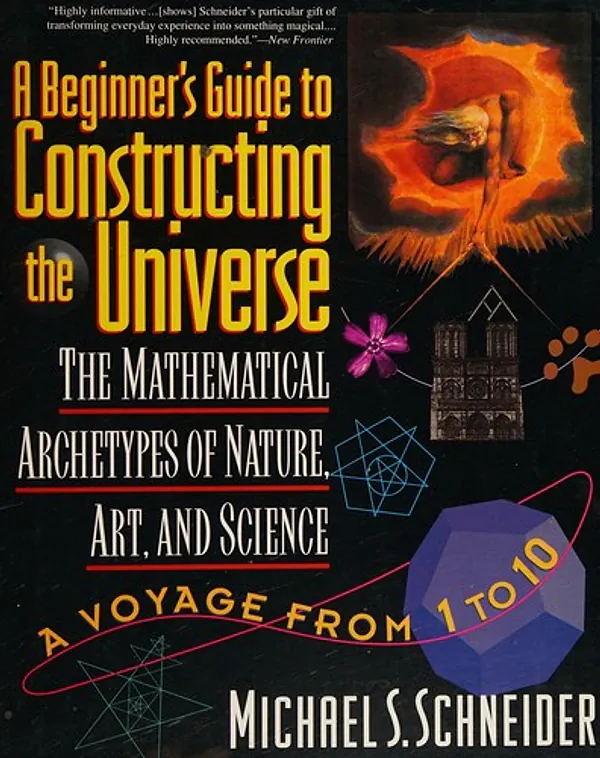 A Beginner's Guide to Constructing the UniverseMichael S. Schneider Egyptian OedipusDaniel Stolzenberg Egyptian OedipusDaniel Stolzenberg The Magic Seal of Dr John DeeColin D. Campbell The Magic Seal of Dr John DeeColin D. Campbell
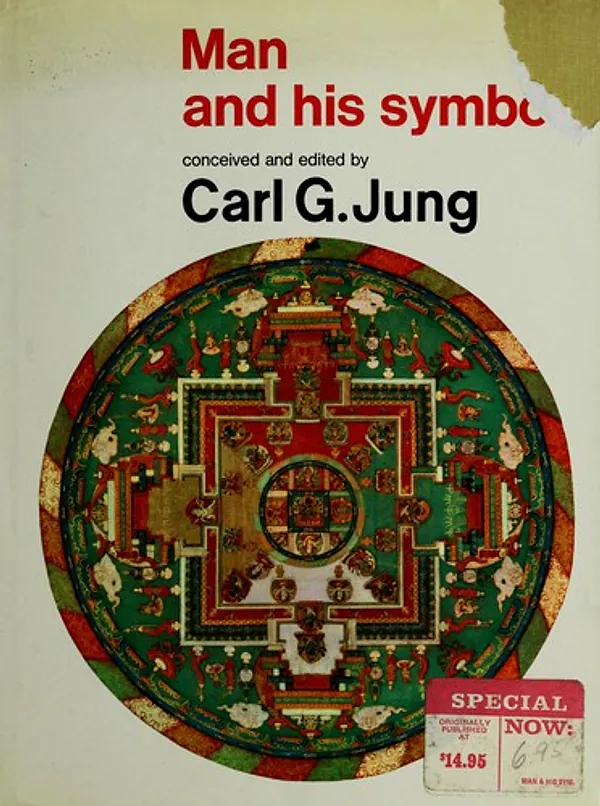 Man and His SymbolsC. G. Jung Oedipus AegyptiacusAthanasius Kircher Oedipus AegyptiacusAthanasius Kircher
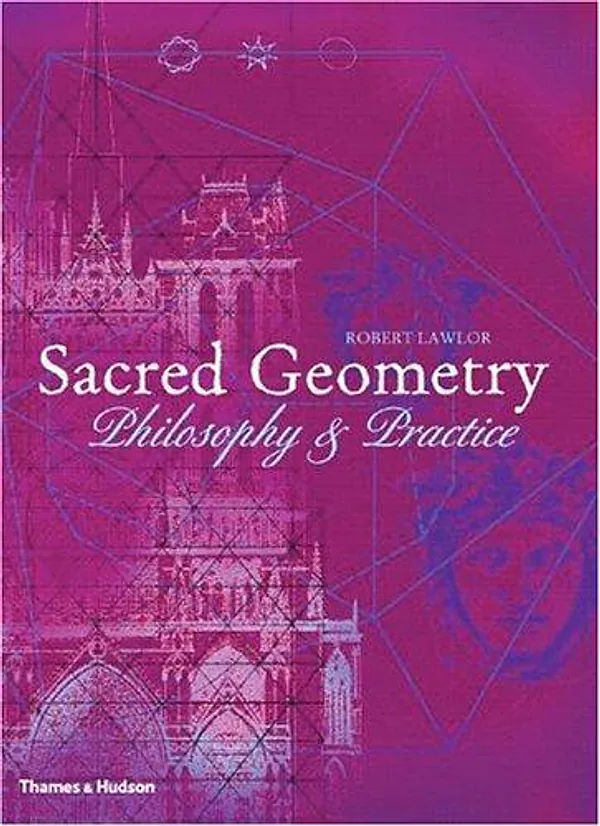 Sacred GeometryRobert Lawlor Seeing the WordHåkan Håkansson Seeing the WordHåkan Håkansson
A Beginner's Guide to Constructing the UniverseMichael S. Schneider Egyptian OedipusDaniel Stolzenberg Egyptian OedipusDaniel Stolzenberg The Magic Seal of Dr John DeeColin D. Campbell The Magic Seal of Dr John DeeColin D. Campbell Man and His SymbolsC. G. Jung Oedipus AegyptiacusAthanasius Kircher Oedipus AegyptiacusAthanasius Kircher Sacred GeometryRobert Lawlor Seeing the WordHåkan Håkansson Seeing the WordHåkan Håkansson