Liber XI · Herbal Magick · Chapter I: Cannabis in Religion & Magic
Le Club des Hashischins: Gautier, Baudelaire and Moreau in Paris
The Club des Hashischins of 1840s Paris: Moreau de Tours's hashish psychiatry, Gautier's Hôtel Pimodan, Baudelaire's Artificial Paradises and occultists.

The Club des Hashischins (also spelled Hachichins) was an informal circle of writers, artists and physicians who met in Paris in the mid-1840s to take hashish together, at the Hôtel Pimodan on the Île Saint-Louis. Its guiding spirit was the psychiatrist Jacques-Joseph Moreau de Tours, who believed that hashish intoxication could reveal the nature of madness, and its most famous chronicler was the poet Théophile Gautier. Through Gautier, Charles Baudelaire and their readers, the club shaped the Western literary image of hashish as a door to visionary experience, an image later taken up by occultists. This article treats the subject as cultural history only.
Hashish Comes to Paris: Egypt, Orientalism and Medicine§
Cannabis had been grown in France for hemp fibre for centuries, but hashish, the resin-rich product of the plant, was known to most Europeans only through travellers' tales and the legend of the Assassins. That legend, which presented the Nizari Ismailis as killers drugged into obedience, was given scholarly authority in 1809 when the Orientalist Silvestre de Sacy argued that the word "assassin" derived from hashishi; its history is told in the article on the Assassins and the hashish legend.
Napoleon's expedition to Egypt (1798–1801) brought French soldiers and scholars into direct contact with hashish use in Egyptian society; in 1800 the French command in Egypt issued an order forbidding its sale and consumption. In the following decades physicians, travellers and writers in the Romantic fascination with the "Orient" described hashish as part of an exotic world of dreams, at once dangerous and alluring. The wider history of cannabis in religion and culture, from the Scythians to Rastafari, is surveyed in the guide to cannabis in religion and magic.
Jacques-Joseph Moreau de Tours and Du Hachisch§
Jacques-Joseph Moreau (1804–1884), known as Moreau de Tours after his birthplace, was a young psychiatrist trained under Jean-Étienne Esquirol at the Charenton asylum near Paris. Between about 1836 and 1840 he travelled in Egypt, Syria and Asia Minor, where he observed hashish use and tried it himself. He returned convinced that the drug offered a unique opportunity: by producing temporary states resembling the symptoms of mental illness, it would allow a physician to experience madness from the inside and so understand it.
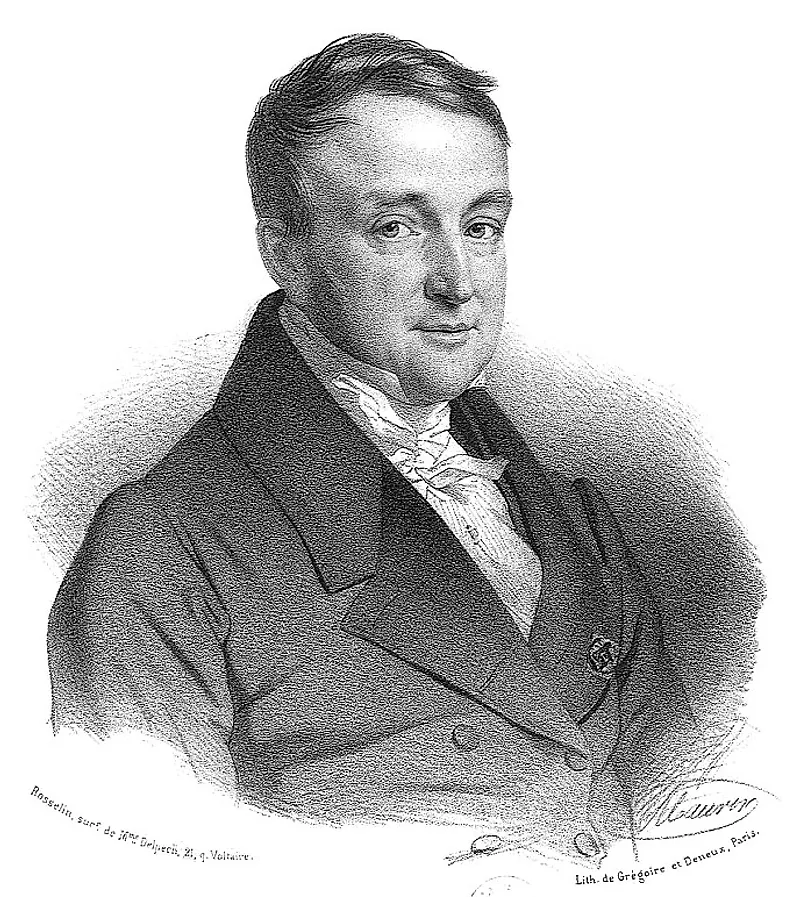
His book Du hachisch et de l'aliénation mentale ("On Hashish and Mental Alienation"), published in 1845, set out this programme. Moreau described in detail the phases of intoxication he and others experienced, from euphoria and heightened sensation to distortions of time and space, uncontrollable associations of ideas and hallucination. He argued that these states shared a common nature with dreams and with insanity, and he proposed that hashish might even be used therapeutically. Historians of medicine often call him a founder of psychopharmacology and of experimental psychiatry, although his therapeutic hopes were not fulfilled.
The Hôtel Pimodan and Gautier's Club des Hachichins§
Moreau looked for intelligent, articulate subjects who could describe their experiences, and he found them among the writers and artists of Romantic Paris. The meetings took place in the apartment of the painter Fernand Boissard de Boisdenier in the Hôtel Pimodan (today the Hôtel de Lauzun), a seventeenth-century mansion on the Quai d'Anjou, whose gilded and painted rooms suited the atmosphere of Oriental fantasy. Hashish was taken in the form of dawamesk, a sweet preparation brought from North Africa, served in the manner of a ceremonial dessert.
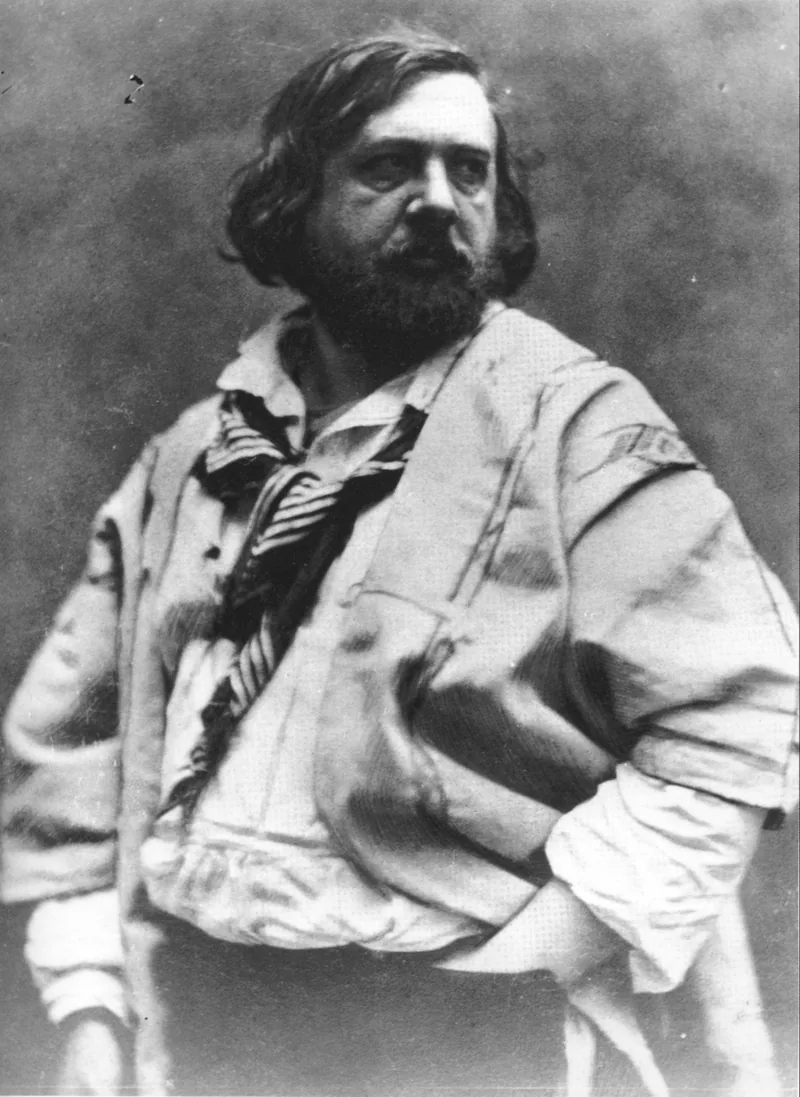
Théophile Gautier had already published a short piece on hashish in the newspaper La Presse in 1843. In February 1846 he published "Le Club des Hachichins" in the prestigious Revue des Deux Mondes, a semi-fictional account of an evening at the Pimodan. He describes a fantastical gathering in candlelit rooms, a doctor dispensing the green paste, and his own visions: transformations of furniture and faces, music becoming colour, time stretching into centuries and a sense of dissolving into the surrounding world. The essay is literature rather than a clinical report, and Gautier freely mixes observation with Romantic invention, but it gave the club its name and its legend.
Who Attended? Members, Legends and Reliability§
Later accounts give the club a glittering membership, and not all of it is reliable. Gautier and Boissard were central, and Charles Baudelaire, who lived in the Hôtel Pimodan between 1843 and 1845, knew the circle well, though how often he took part and how far he was an observer is debated. Gérard de Nerval, the sculptor Jean-Jacques Feuchère and others are associated with the meetings. Honoré de Balzac attended at least once, in December 1845, and wrote to his future wife that he had largely resisted the drug's effects. Names such as Eugène Delacroix, Alexandre Dumas and Victor Hugo are often added, usually without firm evidence.
Dumas did make hashish part of popular literature: in The Count of Monte Cristo (1844–1846), the hero, calling himself Sinbad, offers the young Franz d'Épinay a hashish preparation in a hidden grotto, and the novel's vision of Oriental luxury owes much to the same climate of fascination. The club itself seems to have met only irregularly over a few years in the mid-1840s. Its fame rests less on what happened at the Pimodan than on what was written about it.
Baudelaire's Artificial Paradises§
The most serious literary reflection to come out of the club's world is Baudelaire's. In 1851 he published the essay Du vin et du hachish, comparing the two intoxicants, and in 1860 the book Les Paradis artificiels, which combined "Le Poème du hachisch" with an adaptation of Thomas De Quincey's Confessions of an English Opium-Eater. Baudelaire describes the stages of hashish intoxication with precision and lyricism, drawing partly on Moreau and on his own observations, but his conclusion is a moral and spiritual verdict.
For Baudelaire, the human longing for the infinite is genuine and noble, but hashish counterfeits its satisfaction. It gives nothing that is not already within the person, magnifies the self until it imagines itself a god, and destroys the will that true poetry, morality and spiritual life require. The "artificial paradise" is therefore a kind of damnation, purchased at the cost of freedom. His treatment of intoxication as a perverse imitation of the divine resonated with the Romantic fascination with rebellion, explored in the article on Romantic Satanism, and it influenced every later writer on drugs and mysticism.
Legacy: Psychology, Literature and the Occult§
The Club des Hashischins left a double legacy. In medicine, Moreau's method of self-experiment and his idea that intoxication could model mental illness anticipated twentieth-century research with mescaline and LSD. In literature, Gautier and Baudelaire created a genre of drug writing, continued in America by Fitz Hugh Ludlow's The Hasheesh Eater (1857) and, in the twentieth century, by Walter Benjamin's notes on hashish, published after his death.
Occultists also took notice. The American spiritualist and sex magician Paschal Beverly Randolph, who travelled in Europe and the Near East, promoted hashish as an aid to clairvoyance in the 1850s and 1860s. Some French occultists in the tradition of Éliphas Lévi warned that narcotic visions were deceptive and dangerous, a counterfeit of disciplined magical vision. In 1909 Aleister Crowley published "The Psychology of Hashish" in The Equinox, under the pseudonym Oliver Haddo, drawing on Ludlow and Baudelaire and arguing that the drug might give a glimpse of mystical states while insisting that only disciplined spiritual practice could attain them. These debates about drugs and genuine religious experience continue in the modern study of entheogens.
Cannabis remains a controlled substance in many countries and can cause anxiety and psychotic episodes in vulnerable people; this article is a history of a literary and medical circle, not a guide to use.
Frequently asked questions§
What was the Club des Hashischins?§
It was an informal group of Parisian writers, artists and physicians who met in the mid-1840s at the Hôtel Pimodan to take hashish and record their experiences. It was associated with the psychiatrist Moreau de Tours and made famous by Théophile Gautier's 1846 essay.
Was Baudelaire a member of the Club des Hashischins?§
Baudelaire lived in the Hôtel Pimodan in the mid-1840s and knew the circle, and he later wrote the most important literary study of hashish, Les Paradis artificiels. How often he took part in the sessions, and how far he was a participant rather than an observer, is debated.
Why did Moreau de Tours study hashish?§
Moreau believed that hashish produced states similar to dreaming and to mental illness, so that a physician who experienced them could understand madness from within. His 1845 book made him a pioneer of experimental psychiatry and psychopharmacology.
Did occultists use hashish?§
Some did, or wrote about it. Paschal Beverly Randolph promoted it for clairvoyance, and Aleister Crowley wrote on it in 1909, but many occultists, following Baudelaire's critique, considered drugs an unreliable or harmful substitute for spiritual discipline.
Sources and further reading§
- Du hachisch et de l'aliénation mentale — Jacques-Joseph Moreau de Tours, 1845
- The Count of Monte Cristo — Alexandre Dumas, 1844
- The Hasheesh Eater — Fitz Hugh Ludlow, 1857
- Artificial Paradises — Charles Baudelaire, 1860
- The Hashish Club: An Anthology of Drug Literature — Peter Haining, 1975
- Cannabis: A History — Martin Booth, 2003
- On Hashish — Walter Benjamin, 2006