Liber XXI · New Religions · Chapter III: Christian Science & New Thought
Christian Science and New Thought: Mind, Healing and God
Christian Science and New Thought explained: Mary Baker Eddy and Science and Health, Phineas Quimby, spiritual healing, Unity and Religious Science.

Christian Science and New Thought are two related American religious movements of the late nineteenth century that teach that the spiritual is the true reality and that right understanding of God can heal sickness and transform life. Christian Science, founded by Mary Baker Eddy, whose textbook Science and Health appeared in 1875, is an organised church that regards matter, sin and disease as unreal and relies on prayer rather than medicine for healing. New Thought, a looser family of movements including Unity, Divine Science and Religious Science, emphasises the creative power of mind and the divinity within each person. Both drew on the healer Phineas P. Quimby, and both deeply influenced modern American spirituality.
Phineas Quimby and the Mind-Cure Background§
Nineteenth-century America was full of alternative healing systems: homeopathy, hydropathy, mesmerism and Spiritualism. Phineas Parkhurst Quimby (1802–1866), a clockmaker from Maine, began as a mesmerist in the 1830s and came to believe that disease was caused by false beliefs and could be cured by correcting them. His patients included Mary Patterson, later Mary Baker Eddy, who consulted him in 1862, and Warren Felt Evans, a former Methodist minister whose books, such as The Mental Cure (1869), helped launch the "mind cure" movement.
Whether Eddy's system derived from Quimby became a bitter controversy after her rise to fame. Her critics, drawing on Quimby's manuscripts published in 1921, argued that she borrowed his ideas; she and her followers insisted that her discovery was a revelation independent of his mental healing, which she came to regard as a form of mesmerism. Most historians now see Quimby as an important influence on Eddy's early thought while recognising that her theology, centred on the Bible and on God as the only reality, was distinctively her own.
Mary Baker Eddy and the Founding of Christian Science§
Mary Baker was born in New Hampshire in 1821 into a Congregationalist family and suffered chronic ill health for much of her early life. In February 1866, shortly after Quimby's death, she fell on ice in Lynn, Massachusetts, and was seriously injured. Reading an account of one of Jesus' healings, she reported a sudden recovery, which she later called the moment she discovered Christian Science.
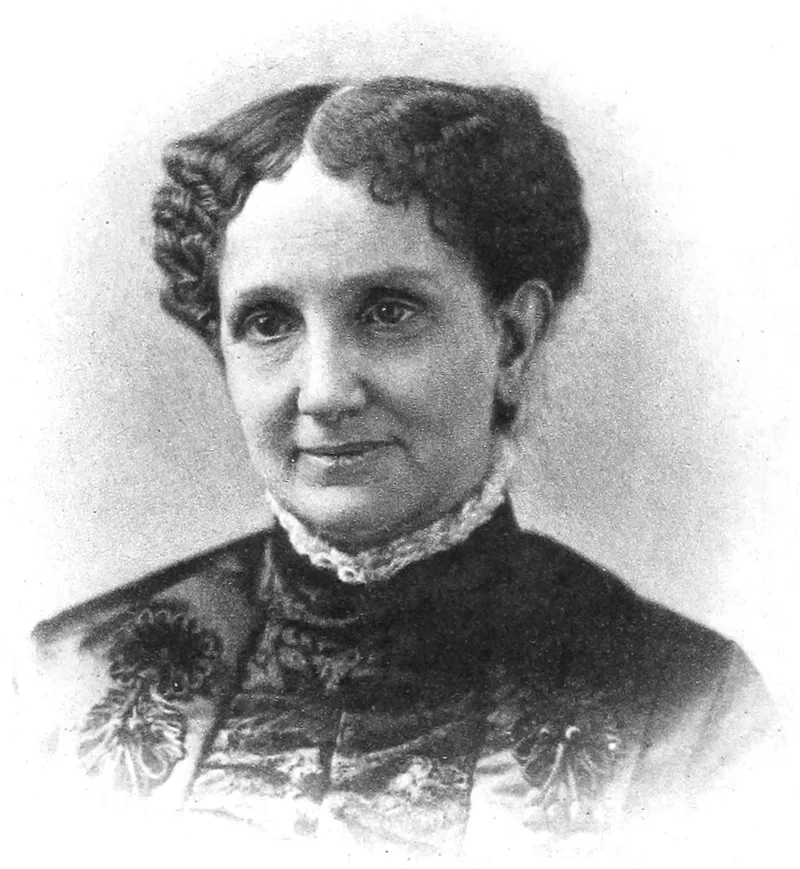
She spent the following years teaching and writing, and in 1875 published Science and Health, later titled Science and Health with Key to the Scriptures, which she revised repeatedly until her death. In 1879 she and her students founded the Church of Christ, Scientist; in 1881 she chartered the Massachusetts Metaphysical College to train healers; and in 1892 she reorganised the church around The Mother Church in Boston, whose original edifice was dedicated in 1894. Her Manual of The Mother Church (1895) governs the church to this day. In 1908, at the age of eighty-seven, she founded the newspaper The Christian Science Monitor, which became internationally respected for its journalism. She died in 1910.
Christian Science Teaching and Practice§
Christian Science teaches that God is infinite Mind, Spirit, Life, Truth and Love, and wholly good. Because God is all and God is good, what appears as matter, sin, sickness and death is not ultimately real but the product of "mortal mind", a false sense of existence apart from God. Jesus is understood as the supreme demonstrator of this truth, whose healings showed the power of spiritual understanding. Healing comes not through willpower or suggestion but through prayer that realises the perfection of God's spiritual creation, including the true, spiritual identity of each person.
The church has no ordained clergy. Sunday services consist of a Lesson-Sermon read by two elected Readers from the King James Bible and Science and Health, which Eddy designated as the church's "pastor". Wednesday testimony meetings allow members to report healings. Christian Science practitioners, trained through church-approved teachers, devote themselves to healing through prayer, and Christian Science nursing facilities provide non-medical care. Reading Rooms, open to the public, have long been a familiar feature of town centres.
Reliance on prayer instead of medical treatment has brought conflict. During the late twentieth century several Christian Science parents in the United States were prosecuted after the deaths of children whose illnesses had not been treated medically, and religious exemptions from child-neglect laws were debated and in many states narrowed. Members today may choose medical care; the church describes healing through prayer as an option it believes in deeply rather than a rule enforced by discipline. Membership, which grew rapidly until the mid-twentieth century, has declined substantially since.
The Rise of New Thought§
Alongside and partly in reaction to Eddy, a broader movement took shape that came to be called New Thought. Its central figure was Emma Curtis Hopkins (1849–1925), who studied with Eddy, edited her journal briefly, and broke with her in 1885. Hopkins taught in Chicago, ordaining many students, including women ministers, and earned the title "teacher of teachers".
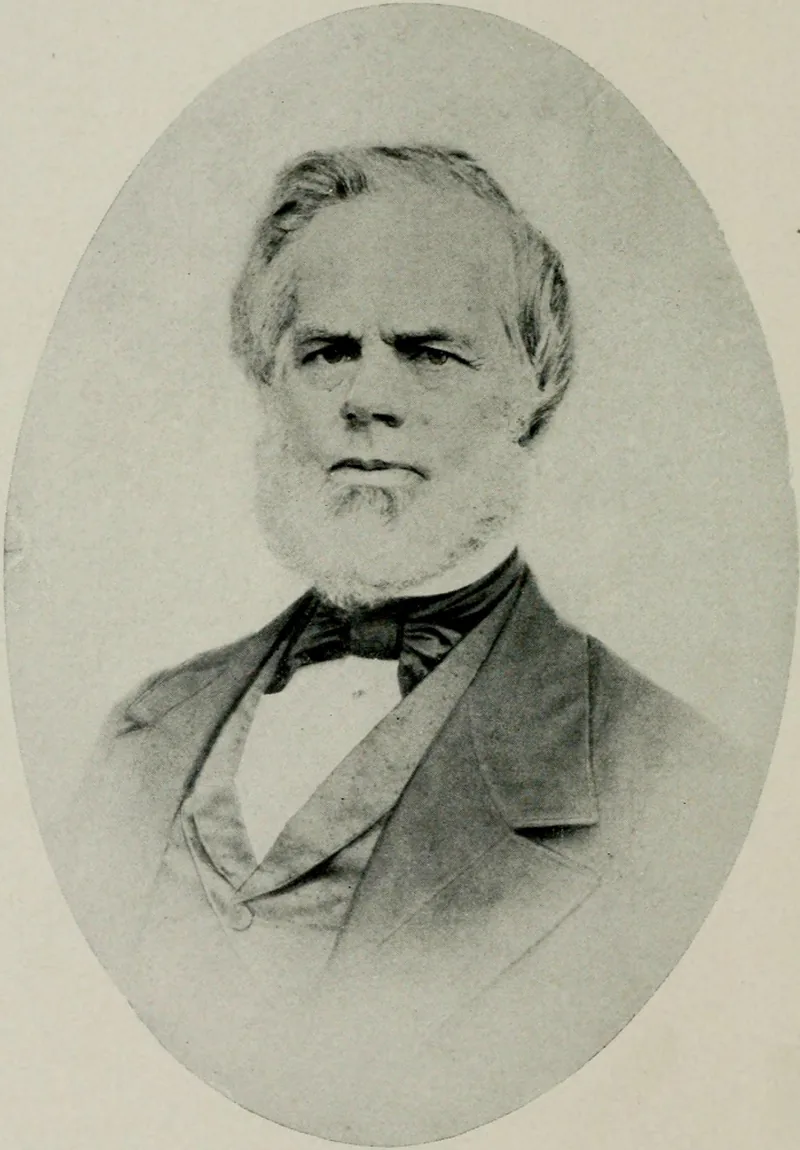
Her students and associates founded several of the main New Thought denominations:
- Unity, begun in Kansas City in 1889 by Charles and Myrtle Fillmore after Myrtle's experience of healing; it developed the prayer ministry Silent Unity and the devotional magazine Daily Word.
- Divine Science, founded in the 1880s by Malinda Cramer in San Francisco and Nona Brooks in Denver.
- Religious Science, established by Ernest Holmes, author of The Science of Mind (1926), who founded his Institute of Religious Science in Los Angeles in 1927; its successor churches are now known as Centers for Spiritual Living.
The International New Thought Alliance, formed in 1914, brought groups together around shared principles: God as infinite and present everywhere, the essential divinity of each person, the power of thought to shape experience, and healing through right thinking. Unlike Christian Science, most New Thought groups accept medical treatment and do not deny the reality of matter, preferring to speak of the mind's power over circumstances. The library treats New Thought's wider history and philosophy in The New Thought Movement.
Legacy: Positive Thinking and the Law of Attraction§
The influence of these movements spread well beyond their own churches. New Thought authors such as Ralph Waldo Trine, whose In Tune with the Infinite (1897) sold widely, and later Napoleon Hill and Norman Vincent Peale, author of The Power of Positive Thinking (1952), carried the idea that thought shapes reality into American business culture and self-help. The twenty-first-century popularity of the law of attraction, especially through The Secret, draws on this lineage, often without its original Christian framework. New Thought ideas also travelled abroad: in Japan, Seichō no Ie, discussed in Japanese New Religions, was influenced by them.
Historians such as Catherine Albanese have placed Christian Science and New Thought within a long American tradition of "metaphysical religion", which also includes Spiritualism and Theosophy, characterised by belief in correspondences between mind and world and in the healing power of spiritual knowledge.
Frequently asked questions§
Is Christian Science the same as Scientology?§
No. Christian Science was founded by Mary Baker Eddy in the 1870s and is a Christian church centred on the Bible and spiritual healing. Scientology was founded by L. Ron Hubbard in the 1950s and has entirely different teachings and practices.
Do Christian Scientists refuse all medical care?§
Traditionally they rely on prayer for healing and avoid medical treatment, but the church leaves the decision to individuals. Many members use dentists, opticians and obstetric care, and some seek medical treatment in other circumstances.
What is the difference between Christian Science and New Thought?§
Christian Science is a single organised church based on Eddy's writings that denies the reality of matter and disease. New Thought is a broader family of groups that emphasise the creative power of mind and divinity within, usually accept medicine, and have no single authoritative textbook.
Sources and further reading§
- Science and Health with Key to the Scriptures — Mary Baker Eddy, 1875
- The Emergence of Christian Science in American Religious Life — Stephen Gottschalk, 1973
- Mary Baker Eddy — Gillian Gill, 1998
- Christian Science on Trial: Religious Healing in America — Rennie B. Schoepflin, 2003
- Spirits in Rebellion: The Rise and Development of New Thought — Charles S. Braden, 1963
- A Republic of Mind and Spirit: A Cultural History of American Metaphysical Religion — Catherine L. Albanese, 2007
- Each Mind a Kingdom: American Women, Sexual Purity, and the New Thought Movement, 1875–1920 — Beryl Satter, 1999
- The Science of Mind — Ernest Holmes, 1926