Liber XXI · New Religions · Chapter IV: Japanese New Religions
Japanese New Religions: Tenrikyo, Soka Gakkai and Others
Japanese new religions explained: Tenrikyo, Konkokyo, Omoto, Soka Gakkai, Rissho Koseikai, Mahikari and Aum Shinrikyo, and why Japan produced so many.

Japanese new religions (shinshūkyō) are the many religious movements founded in Japan since the early nineteenth century, drawing on Shinto, Buddhism, folk religion and sometimes Christianity. They include Tenrikyo, founded by the farm woman Nakayama Miki in 1838; Ōmoto, whose founders shaped a whole family of later groups; and the large lay Buddhist organisations Soka Gakkai and Risshō Kōseikai. At their peak in the second half of the twentieth century, new religions claimed the allegiance of perhaps a fifth of the Japanese population, and their history illuminates how modern societies create religion.
Why Japan Produced So Many New Religions§
Japanese religion has long been plural: most people participate in both Shinto shrine festivals and Buddhist funerary rites without exclusive membership. Folk practices of spirit possession, mountain asceticism and healing provided ready material for charismatic founders. Rapid social change, from the opening of Japan in the 1850s and the Meiji modernisation to wartime defeat and postwar urbanisation, uprooted people from villages and their temples and created demand for new communities.
The legal setting mattered too. Before 1945 the state recognised a limited list of "sect Shinto" bodies and Buddhist schools, and suppressed groups it considered disloyal. After the war the Allied occupation abolished State Shinto, guaranteed religious freedom in the 1947 constitution, and made registration of religious corporations easy. Hundreds of groups registered, prompting the American scholar H. Neill McFarland to title his 1967 book The Rush Hour of the Gods.
Founders of the Nineteenth Century: Kurozumikyō, Tenrikyo and Konkōkyō§
Kurozumi Munetada (1780–1850), a Shinto priest in Okayama, experienced union with the sun goddess Amaterasu in 1814 while recovering from illness and taught a joyful, sincere life in harmony with her. His movement, Kurozumikyō, became one of the recognised sects of Shinto. The scholar Helen Hardacre has made it a case study of how new religions transform ordinary morality into a path of salvation.
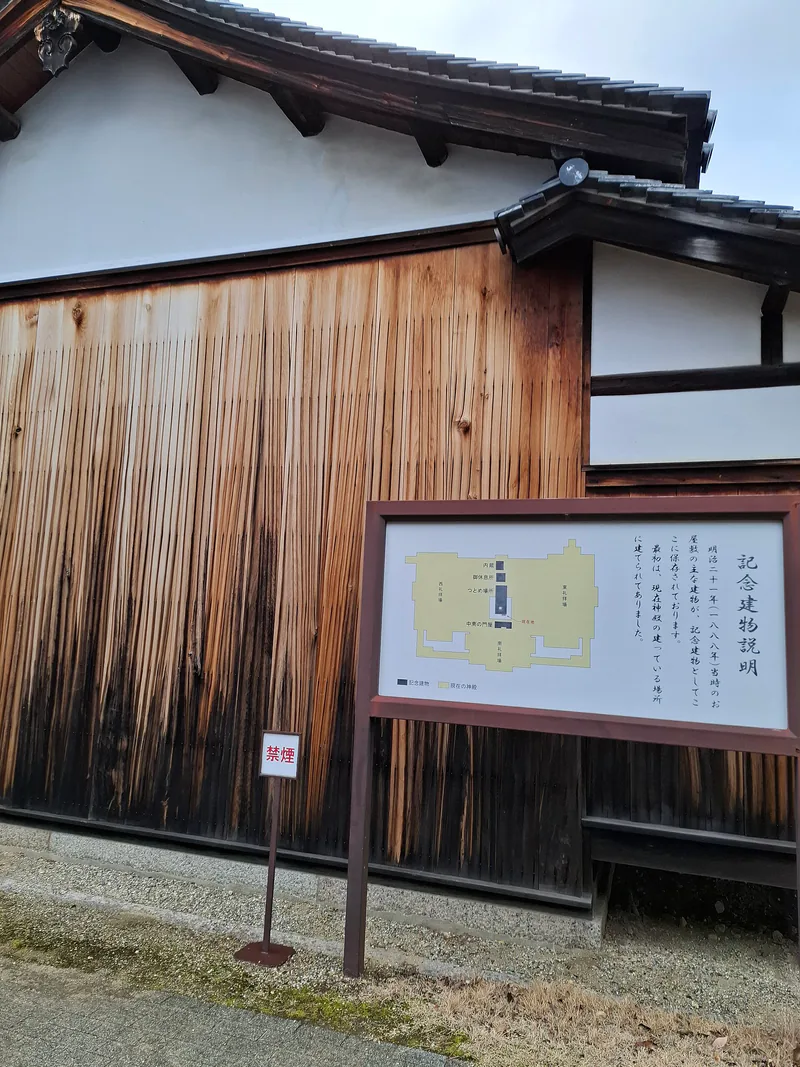
Nakayama Miki (1798–1887), a farmer's wife in Yamato, was possessed during a healing ritual in 1838 by a deity who declared itself the true and original God and demanded her as its shrine. Followers know this God as Tenri-Ō-no-Mikoto or God the Parent. Miki gave away her family's wealth, healed people, especially in childbirth, and composed the scripture Ofudesaki and the songs of the service. Tenrikyo teaches that God created humans to see them live the "Joyous Life", and that self-centred mental "dusts" cloud the mind. Its headquarters at Tenri, where followers believe humanity was conceived and which is marked by a sacred pillar, the Kanrodai, has grown into a city with a university, library and hospital. The state harassed Miki, who was repeatedly detained, but the movement gained recognition as a Shinto sect in 1908, later defining itself as distinct from Shinto.
Konkōkyō, founded in 1859 by the farmer Kawate Bunjirō (Konkō Daijin), reinterpreted a feared directional deity, Konjin, as a loving parent god and developed the practice of toritsugi, mediation, in which a minister listens to a believer's problems and conveys them to God.
Ōmoto and Its Descendants§
Deguchi Nao (1837–1918), a poor widow in Ayabe, began to receive possessions in 1892 from a deity, Ushitora no Konjin, who proclaimed the coming reconstruction of a corrupt world. Her revelations, written in simple script, fill thousands of pages as the Ofudesaki. Her adopted son-in-law Deguchi Onisaburō (1871–1948) organised the movement as Ōmoto, published widely, promoted Esperanto and spirit-communication techniques, and attracted intellectuals and military officers. Fearing its millenarian and quasi-imperial imagery, the state suppressed Ōmoto in 1921 and destroyed it again in 1935, dynamiting its buildings and imprisoning its leaders.
Ōmoto nevertheless became the parent of many later movements. Former members founded Seichō no Ie (Taniguchi Masaharu, 1930), which also drew on American New Thought ideas discussed in Christian Science and New Thought; Sekai Kyūseikyō (Okada Mokichi, 1935), known for johrei, the channelling of divine light through the hand; and through Sekai Kyūseikyō, the Mahikari movements founded by Okada Kōtama from 1959, which practise a similar purifying light called okiyome.
Lay Buddhist Movements: Reiyūkai, Risshō Kōseikai and Soka Gakkai§
Several of the largest new religions are lay Buddhist movements centred on the Lotus Sutra. Reiyūkai, founded in the 1920s by Kubo Kakutarō and Kotani Kimi, stressed lay recitation of the sutra for the salvation of ancestors. From it emerged Risshō Kōseikai (1938), founded by Niwano Nikkyō and Naganuma Myōkō, which became known for small group counselling sessions called hōza and for interfaith work, including Niwano's role in founding Religions for Peace.
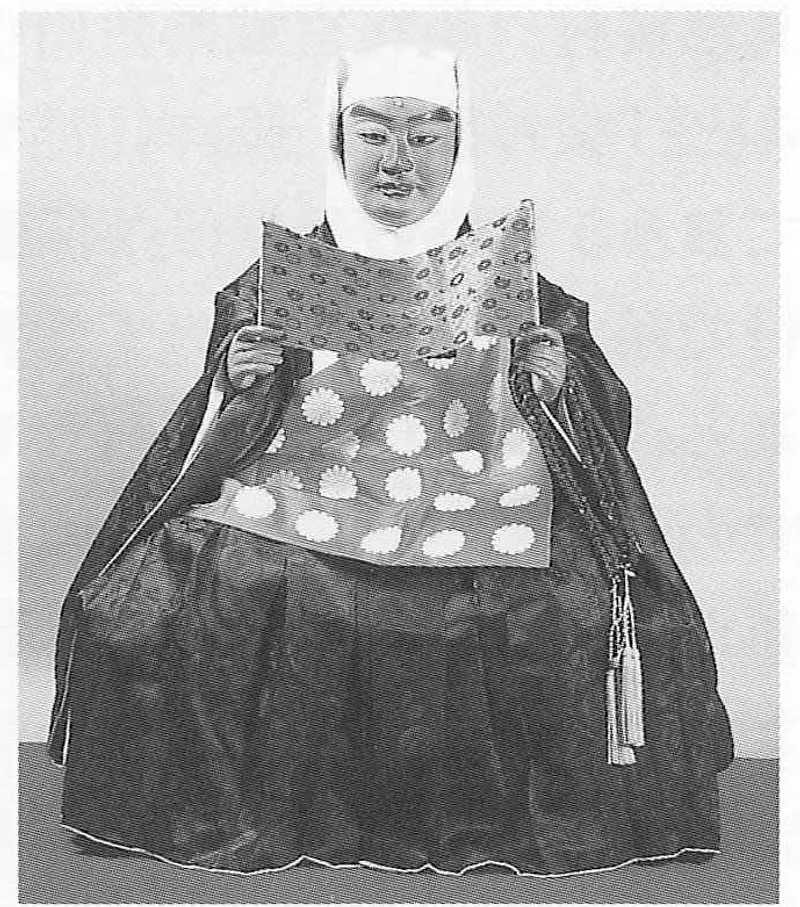
Soka Gakkai, the largest, began in 1930 as the Sōka Kyōiku Gakkai, a society of educators led by Makiguchi Tsunesaburō, who followed the thirteenth-century monk Nichiren through the Nichiren Shōshū school. Makiguchi refused to accept State Shinto talismans and died in prison in 1944. His disciple Toda Jōsei rebuilt the movement after the war through aggressive proselytising called shakubuku. Under Ikeda Daisaku (1928–2023), president from 1960, it grew into a mass organisation, spread abroad as Soka Gakkai International, and founded schools and a university. Members chant Nam-myoho-renge-kyo before a mandala called the Gohonzon. In 1964 Soka Gakkai founded the Kōmeitō political party, which has frequently governed in coalition, raising debates about religion and politics. In 1991 Nichiren Shōshū excommunicated the lay organisation, which has since been independent.
The "New New Religions" and Aum Shinrikyo§
From the 1970s, scholars noted a new wave, the shin-shinshūkyō or "new new religions", that emphasised spiritual experience, occultism, apocalyptic prophecy and media-savvy leaders. Agonshū, founded by Kiriyama Seiyū, combined esoteric Buddhist fire rituals with ancestral purification; Kōfuku no Kagaku (Happy Science), founded in 1986 by Ōkawa Ryūhō, who claimed to channel spiritual messages from figures past and present, became known for its publishing and political ambitions.
The most notorious was Aum Shinrikyō, founded in the 1980s by Asahara Shōkō, who combined yoga, Tibetan and esoteric Buddhist ideas, Christian apocalypticism and prophecies of Armageddon. The group built laboratories to make chemical weapons, and on 20 March 1995 members released sarin on the Tokyo subway, killing thirteen people (a figure later revised to fourteen) and injuring thousands. Asahara and twelve other members were executed in 2018. Scholars such as Ian Reader have analysed how Aum's internal violence and isolation led to the attack. In response, the Religious Corporations Law was amended in 1995 to increase government oversight, and public opinion turned sharply against new religions.
Scrutiny returned after the 2022 assassination of former prime minister Abe Shinzō by a man who blamed the Unification Church (now the Family Federation for World Peace and Unification) for his family's ruin through donations. In March 2025 the Tokyo District Court ordered the church's dissolution as a religious corporation, a decision the church appealed.
Frequently asked questions§
What is the largest new religion in Japan?§
Soka Gakkai is usually considered the largest, claiming several million households in Japan, though independent estimates are lower. Tenrikyo, Risshō Kōseikai and Seichō no Ie have also had memberships in the hundreds of thousands or millions at their height.
Are Japanese new religions Shinto or Buddhist?§
Both, and sometimes neither. Groups such as Tenrikyo and Konkōkyō emerged from Shinto and folk religion; Soka Gakkai and Risshō Kōseikai are lay Buddhist; others such as Ōmoto and Mahikari mix elements freely and add new revelations.
What happened to Aum Shinrikyo?§
After the 1995 sarin attack its leaders were arrested and the group lost its status as a religious corporation. Asahara was executed in 2018. Successor groups, Aleph and Hikari no Wa, continue under government surveillance.
Sources and further reading§
- The Rush Hour of the Gods: A Study of New Religious Movements in Japan — H. Neill McFarland, 1967
- Kurozumikyō and the New Religions of Japan — Helen Hardacre, 1986
- Lay Buddhism in Contemporary Japan: Reiyūkai Kyōdan — Helen Hardacre, 1984
- Religious Violence in Contemporary Japan: The Case of Aum Shinrikyō — Ian Reader, 2000
- Celebrity Gods: New Religions, Media, and Authority in Occupied Japan — Benjamin Dorman, 2012
- Soka Gakkai's Human Revolution: The Rise of a Mimetic Nation in Modern Japan — Levi McLaughlin, 2019
- Japanese New Religions in Global Perspective — Peter B. Clarke (ed.), 2000