Liber XXIX · Superstitions · Chapter III: Asian Superstitions
The Aswang and Philippine Folk Belief: History and Forms
The aswang of Philippine folklore: Spanish records, the manananggal and tik-tik, Lansdale's psychological warfare, usog, the nuno sa punso and the kapre.

The aswang is the most feared creature of Philippine folklore: a shape-shifting being that lives as an ordinary villager by day and at night hunts the sick, the dying and especially pregnant women, feeding on blood, flesh or unborn children. The name is used both for particular monsters, such as the self-dividing manananggal, and as an umbrella term for a whole family of night-time predators. Belief in the aswang is recorded from the sixteenth century, was strongest in the Visayas, and remains a living part of Philippine storytelling, film and everyday caution.
What Is an Aswang?§
The aswang is best understood not as a single monster but as a cluster of related fears. The folklorist Maximo D. Ramos, who collected and classified Philippine "lower mythology" in the 1960s and 1970s, grouped the many local reports into several overlapping types: a vampire that drinks blood, a viscera-sucker that preys on the sick and on foetuses, a were-beast that takes the form of a dog, pig, cat or bird, a witch that causes illness, and a ghoul that steals and eats corpses. In a given village the word might refer to any or all of these.
Common to most accounts is a double life. The aswang is said to appear by day as a quiet neighbour, often shy or reclusive, and to transform at night. Signs that someone is an aswang were said to include bloodshot eyes, an aversion to garlic, salt or the sound of prayer, and a reflection that appears upside down in the pupils of another person's eyes. Pregnant women, newborn infants, the sick and the dead were thought to be especially at risk, and wakes were guarded through the night to prevent an aswang from stealing the corpse and replacing it with a banana trunk or similar substitute. Comparable fears of the returning or predatory dead in Europe are discussed in Vampire Folk Belief in Eastern Europe.
Early Records: Spanish Friars and the "Osuang"§
The earliest written references come from Spanish missionaries. In 1589 the Franciscan friar Juan de Plasencia composed a short account of the customs of the Tagalogs, describing among the religious specialists and sorcerers of the islands a figure he called the osuang, who was said to fly and to kill people and eat their flesh. Plasencia classed the osuang with priests, healers and witches, all of whom he regarded as ministers of the devil.
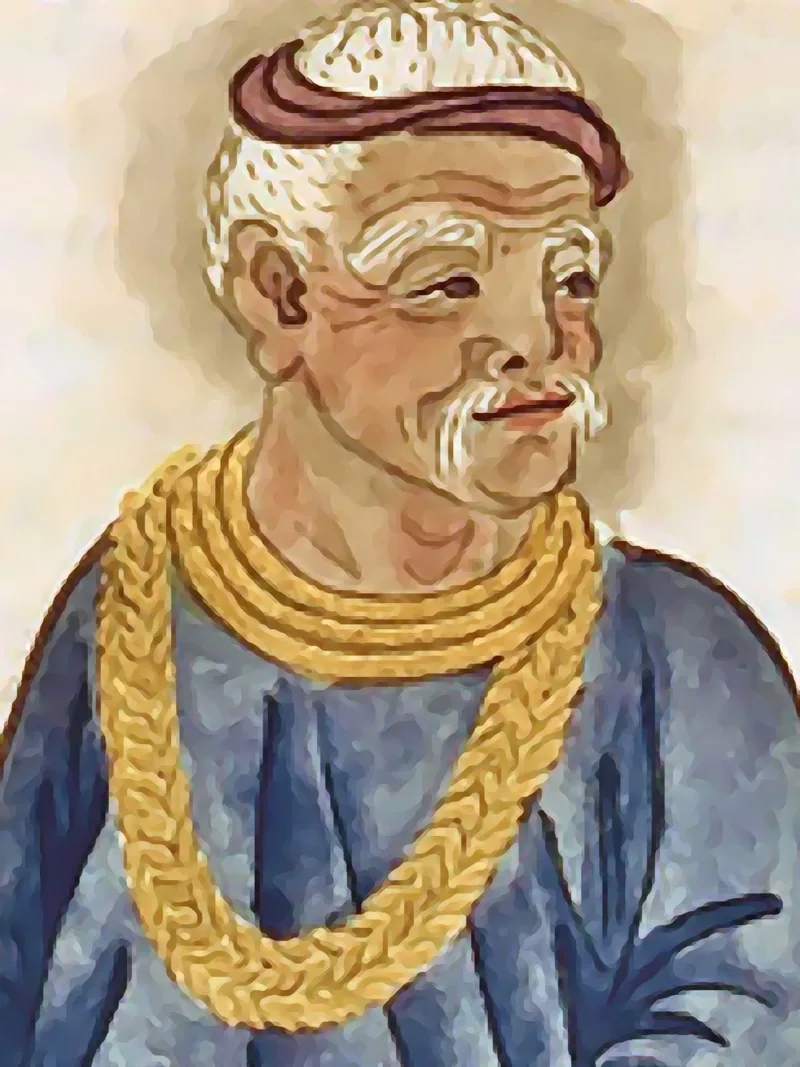
This framing matters. Before the Spanish conquest, religious life in many Philippine communities was led by ritual specialists, often women, known in the Visayas as babaylan and among the Tagalogs as catalonan, who healed, mediated with spirits and presided at rites. Missionaries worked to suppress them, and several historians have suggested that the boundary between respected spirit specialist and feared witch was redrawn under colonial Christianity, so that some figures once regarded as healers came to be imagined as aswang. The evidence is fragmentary, and scholars treat this as a plausible interpretation rather than a proven sequence. The illustrated Boxer Codex of about 1590, which depicts the peoples of the islands, is a valuable visual source for the period. The wider religious background is discussed in Shamanism.
The Manananggal, Tik-tik and Other Forms§
The best-known aswang today is the manananggal, whose name derives from the Tagalog root tanggal, "to detach". By night she is said to separate her upper body from her lower half, sprout bat-like wings and fly in search of victims, leaving her legs standing in a hidden place. She feeds through a long, thread-like tongue, which in many stories reaches through the roof to the womb of a sleeping pregnant woman. Folklore holds that if salt, ash or crushed garlic is sprinkled on the abandoned lower half, she cannot rejoin it and will perish at dawn.
Other forms are equally widespread. The tik-tik or wakwak is named after its night call, which is said to be faint when the creature is close and loud when it is far away, so that its sound deceives its victims. The sigbin of the Visayas is described as a dog- or goat-like creature that walks backwards with its head lowered between its hind legs. The mambabarang, associated especially with the island of Siquijor, is a sorcerer who sends insects to cause illness, and the mangkukulam is a witch who harms through images and curses. Siquijor's reputation for sorcery coexists with a well-known tradition of folk healers who gather to prepare remedies during Holy Week.
Protection relied on familiar materials: garlic hung at windows, salt, holy water, blessed palms, the tail of a stingray used as a whip, and household vigilance. Some Visayan accounts describe a special oil that bubbles when an aswang is near. These measures were part of ordinary caution rather than a formal system, and their place in Asian folk belief is surveyed in Asian Superstitions.
The Aswang in Psychological Warfare: Lansdale and the Huks§
The most unusual episode in the aswang's history comes from the early Cold War. During the Hukbalahap insurgency of the late 1940s and early 1950s, the American officer Edward Lansdale advised the Philippine government on counter-insurgency. In his memoir In the Midst of Wars (1972), Lansdale described how a psychological warfare team spread rumours that an aswang lived on a hill held by Huk guerrillas, and then ambushed a patrol and staged the body of a fighter to look as though an aswang had drained it of blood. He claimed that the guerrillas abandoned the area.
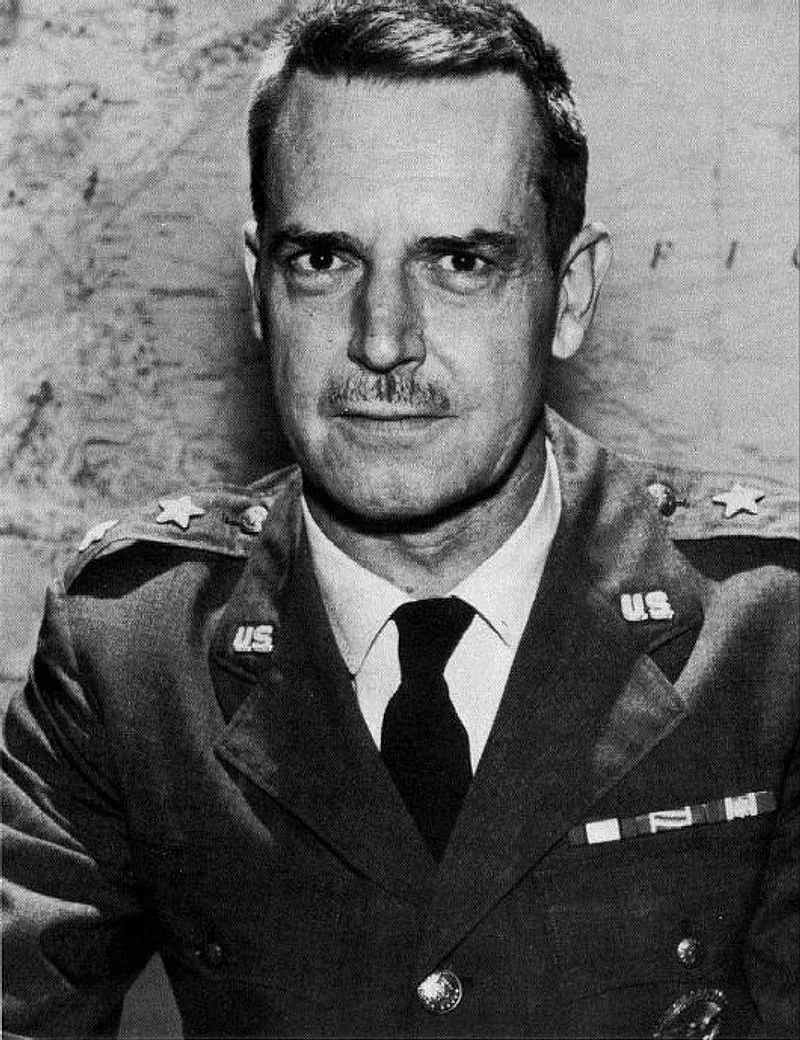
Historians treat Lansdale's account with some caution, since it is self-reported and written to illustrate his methods, but it has become a frequently cited example of how belief can be exploited in war. It also shows how far aswang lore had spread beyond the Visayas by the mid-twentieth century.
Beyond the Aswang: Usog, the Nuno sa Punso and Everyday Belief§
Aswang stories belong to a wider web of Philippine folk belief. Many families still observe usog (Visayan buyag), the belief that a stranger's greeting or admiring glance can make a small child ill with fever or crying, an idea closely related to the evil eye described in The Evil Eye. The customary remedy is for the person who greeted the child to touch it with a little saliva, and people often say pwera usog, "let there be no usog", when admiring a baby.
The nuno sa punso, "old man of the mound", is a spirit who lives in termite or ant mounds; people walking past such places say tabi-tabi po, "excuse me, please", to avoid offending him and suffering illness. The kapre is a tall, dark giant said to sit smoking in large trees, especially the balete, and the tikbalang is a horse-headed trickster who leads travellers astray; a sun shower is called the tikbalang's wedding. Folk illnesses such as pasma, attributed to sudden exposure to cold after heat or exertion, are widely recognised.
Many of these conditions are treated by an albularyo, a folk healer who uses herbs, massage, prayers and diagnostic techniques such as dripping melted candle wax into water and reading the shapes it forms. The anthropologist F. Landa Jocano described such healers in detail in the 1970s, showing how they work alongside, not simply against, modern medicine. Comparable healers elsewhere are discussed in Healing Charms and Folk Charmers.
Interpreting the Aswang: Fear, Envy and the Outsider§
Scholars have read the aswang in several ways. Ramos stressed its function as an explanation for otherwise mysterious deaths, especially of mothers and infants in communities with limited medical care. The folklorist Herminia Meñez and others have emphasised gender: the typical aswang is a woman who inverts the ideal of the nurturing mother, feeding on the unborn instead of nourishing them. Others note that aswang accusations often fall on outsiders, newcomers, the poor or the unusually reserved, and that the province of Capiz, popularly named as the aswang's homeland, has long resented the label.
In recent decades the aswang has flourished in Philippine cinema, comics and television, and the word has been used as a metaphor for political violence, as in the 2019 documentary Aswang, about killings during the government's anti-drug campaign. For the psychological processes that make night sounds and misfortunes feel like the work of a hidden agent, see Pareidolia and Apophenia.
Frequently asked questions§
What is an aswang?§
An aswang is a shape-shifting predator of Philippine folklore, believed to live as an ordinary person by day and to hunt at night. The term covers several creatures, including blood-drinkers, flesh-eaters, were-animals and witches, and it is especially associated with the Visayas.
What is the difference between an aswang and a manananggal?§
The manananggal is one type of aswang. It is distinguished by its ability to detach its upper body, grow wings and fly, leaving its lower half behind. "Aswang" is the broader family name.
Why is the tik-tik's sound said to be misleading?§
In folklore the tik-tik's call is faint when the creature is near and loud when it is far away. The belief turns ordinary uncertainty about night sounds into a warning that danger may be closest when it seems distant.
What does "tabi-tabi po" mean?§
It is a polite Tagalog phrase meaning roughly "excuse me, please", said when passing places such as termite mounds or large trees. It asks permission of the nuno sa punso or other spirits believed to live there, so as not to offend them.
Sources and further reading§
- The Creatures of Philippine Lower Mythology — Maximo D. Ramos, 1971
- Explorations in Philippine Folklore — Herminia Meñez, 1996
- Barangay: Sixteenth-Century Philippine Culture and Society — William Henry Scott, 1994
- Folk Medicine in a Philippine Municipality — F. Landa Jocano, 1973
- In the Midst of Wars: An American's Mission to Southeast Asia — Edward Geary Lansdale, 1972
- The Philippine Islands, 1493–1898 — Emma Helen Blair and James Alexander Robertson (eds.), 1903