Liber XXIX · Superstitions · Chapter V: European Superstitions
The Banshee: Ireland's Supernatural Death Messenger
The banshee in Irish folk belief: the bean sí and badhb, her cry and comb, the families she follows, keening, the washer at the ford and folklore records.

The banshee is a female spirit of Irish folk belief whose cry, heard at night, announces that a member of a particular family is about to die. Her name comes from the Irish bean sí, usually explained as "woman of the otherworld mound", and in tradition she does not cause death but mourns it in advance, like a supernatural keening woman. Belief in the banshee was recorded across Ireland well into the twentieth century and remains one of the best-documented death omens in European folklore.
The Bean Sí: Name, Meaning and Regional Forms§
The Old and Middle Irish word síd (modern sí) refers to the ancient mounds and cairns believed to be dwellings of the otherworld people, the beings later called fairies; their mythological background is described in The Tuatha Dé Danann and the Book of Invasions. A bean sí is literally a woman from such a place. The English spelling "banshee" became common from the late eighteenth century, when antiquarians and novelists began to write about her for English-speaking readers.
The folklorist Patricia Lysaght, whose study of 1986 remains the standard work, mapped the names used in different parts of Ireland from the archives of the Irish Folklore Commission. Bean sí and its anglicised forms were widespread in the north, west and south. In much of Leinster, especially Kilkenny, Wexford, Carlow and neighbouring counties, people spoke instead of the badhb (anglicised as "the bow" or "the bo"), a name that recalls the war goddess Badb of early Irish literature. Other regional terms included bean chaointe, "keening woman", which states her function plainly. Lysaght argued that these regional names reflect a single underlying belief with local colouring rather than separate traditions.
The Banshee and the Families She Follows§
A defining feature of the belief is that the banshee is attached to particular families. A popular saying held that she follows only families of old Gaelic descent, those whose names begin with Ó or Mac, and lists of "banshee families" such as the O'Briens, O'Neills, O'Gradys and O'Connors circulated in nineteenth-century books. In practice the records collected by folklorists show her mourning many families, including some of Norman or English origin who had lived in Ireland for generations. To have a banshee was often regarded as a mark of ancient lineage, almost a distinction, rather than a curse.
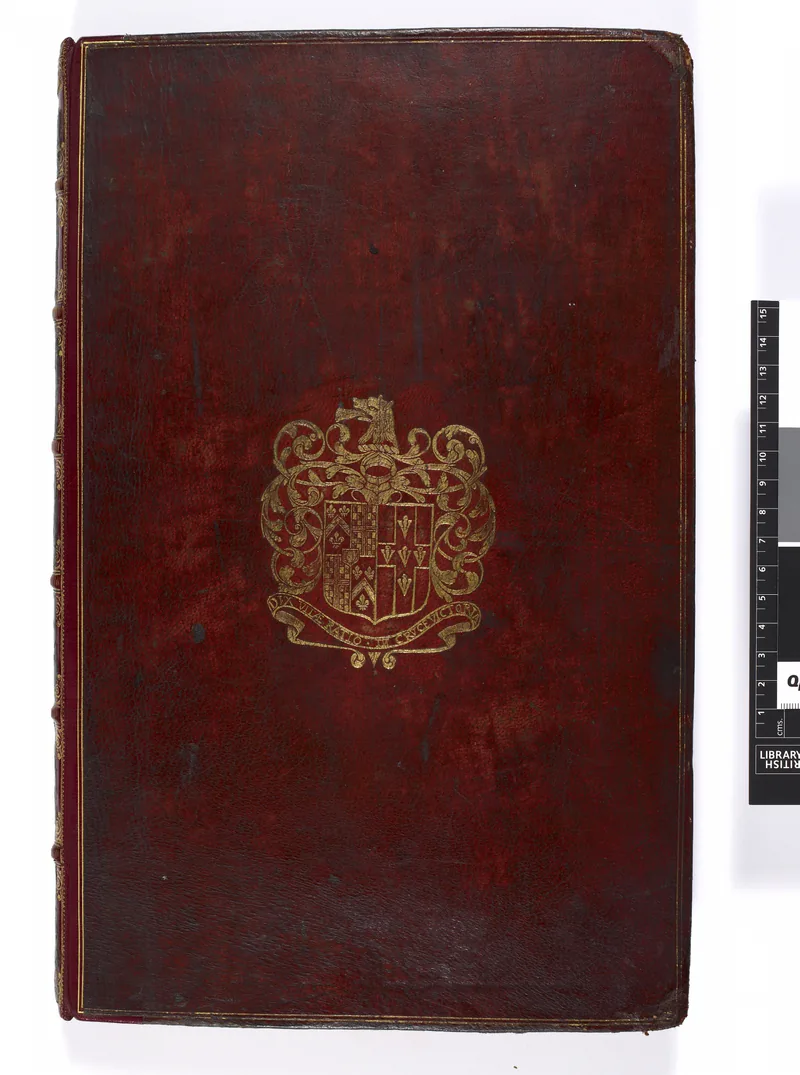
One of the earliest detailed English accounts comes from the memoirs of Ann, Lady Fanshawe, who stayed in Ireland with her husband around 1650. She described waking at night in the house of a member of the O'Brien family to see a pale woman with red hair at the window, who cried out and vanished. In the morning her hostess told her that a relative had died in the house during the night and that such an apparition was always seen before a death in the family. Whatever lay behind the experience, the account shows the belief already established in a recognisable form in the seventeenth century.
Because the banshee laments only the dead of her own family, she was not generally feared as a malevolent being. Accounts emphasise grief rather than menace, which distinguishes her from the spectral black dogs and death hounds of Britain, discussed in Black Dog Folklore.
Keening and the Banshee's Cry§
The banshee's most important attribute is her voice. Witnesses described a long, wailing cry, sometimes sweet and sometimes terrifying, heard near the house of the dying person, often at night, and sometimes repeated over several nights. Many said it was like the keen.
Keening (Irish caoineadh) was the formal lament performed over the dead by women at wakes and funerals. A keener, sometimes a relative and sometimes a woman known for the skill, combined wordless crying with improvised verse praising the dead and expressing the grief of the family. The most famous surviving example is the Caoineadh Airt Uí Laoghaire, composed by Eibhlín Dubh Ní Chonaill after her husband was killed in 1773. Church synods from the seventeenth century onward condemned keening as excessive and pagan, and by the early twentieth century it had largely disappeared.
Lysaght and others have argued that the banshee is best understood as a supernatural keener: she performs for the dead of a family the lament that human women performed for them on earth, but before rather than after the death. This connection explains why the banshee is almost always female and why her cry, rather than any action, is the core of the belief. More general European death omens are surveyed in Luck, Omens and Portents.
The Washer at the Ford: Medieval Ancestors of the Banshee§
Early Irish literature contains several female figures who foretell death in battle, and scholars have long seen them as relatives of the folk banshee. The war goddesses Badb and the Morrígan appear on battlefields in the form of crows or terrible women, shrieking over the warriors. In some tellings of the death of the hero Cú Chulainn, he encounters a woman washing bloody armour or clothing at a ford, which is understood to be his own.
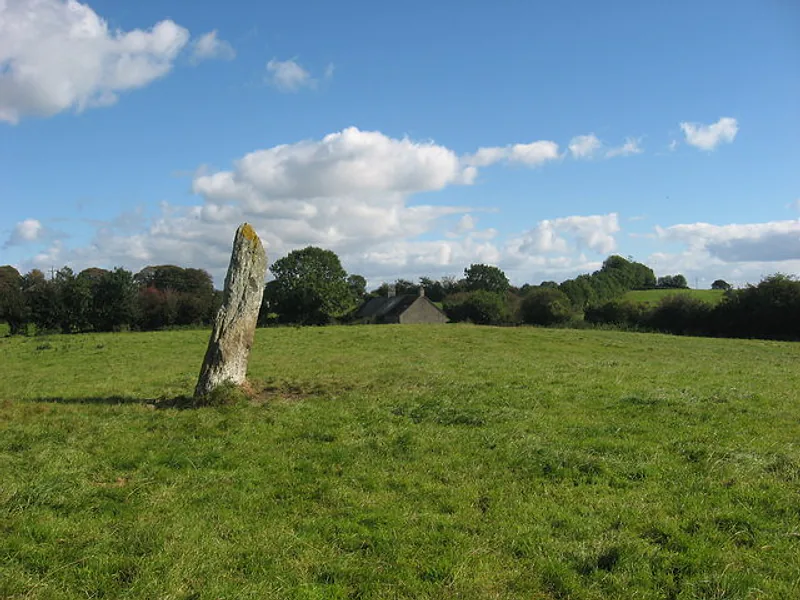
The motif of the "washer at the ford" is especially clear in the fourteenth-century Irish narrative Caithréim Thoirdhealbhaigh, usually dated to the mid-fourteenth century, which describes a hideous hag seen washing heads and limbs in a stream before the battle of Dysert O'Dea in 1318, and telling the Anglo-Norman army that the remains were theirs. In Scottish Gaelic tradition the bean nighe, "washing woman", was said to be seen at lonely streams washing the shrouds of those about to die. These literary and Scottish figures are more threatening than the mourning banshee of later Irish folklore, but they share the pattern of a supernatural woman who knows of a coming death and marks it by a female domestic or ritual act: washing the dead, or lamenting them.
Comb, Appearance and the Motifs of Modern Tradition§
In nineteenth- and twentieth-century accounts the banshee was described in two main ways. She could be a small, aged woman wrapped in a grey or white cloak, or a tall, young and beautiful woman with long hair. She was most often heard rather than seen, and when seen she was frequently combing her hair. This gave rise to a widespread warning: a comb found lying on the ground should not be picked up, because it might belong to the banshee, who would come back for it. Some accounts say that a person who took the comb heard her at the window demanding its return.
The banshee also attracted literary attention. Thomas Crofton Croker included banshee stories in his Fairy Legends and Traditions of the South of Ireland (1825), Lady Wilde wrote about her in Ancient Legends, Mystic Charms, and Superstitions of Ireland (1887), and W. B. Yeats gathered such material in Fairy and Folk Tales of the Irish Peasantry (1888). These books spread the banshee to an international readership and helped turn her into a symbol of Irish folklore in general, though they also romanticised and simplified the belief. The fairy world of the same collections is explored in Changelings and Fairy Abduction.
Collecting the Banshee: The Irish Folklore Commission§
The most important evidence for the banshee comes not from literature but from the oral testimony collected by the Irish Folklore Commission, founded in 1935, and by the Schools' Collection of 1937–1938, in which schoolchildren across the Irish Free State wrote down beliefs and stories from their families. Lysaght analysed hundreds of such accounts, together with questionnaire replies, and found a strikingly consistent picture: the banshee heard rather than seen, attached to families, crying before a death, often near water or at the house itself.
Folklorists treat these accounts as evidence of how communities understood death and mourning rather than as proof of a supernatural being. The banshee belief gave meaning to sudden death, affirmed family identity and continuity with the past, and provided a framework for unusual night sounds, such as the screech of a barn owl or the cry of a vixen, which some later commentators have suggested lay behind many reports. The banshee's place among other regional beliefs is set out in European Superstitions and Folk Beliefs, and the Mexican weeping woman, a comparable but distinct figure, in La Llorona.
Frequently asked questions§
What does "banshee" mean?§
"Banshee" is the anglicised form of the Irish bean sí, "woman of the sí". The sí were the mounds believed to house the otherworld people, so she is a woman from the otherworld. In parts of Leinster she was called the badhb instead.
Does the banshee cause death?§
No. In Irish tradition the banshee announces and laments a coming death in a family to which she is attached; she does not cause it. Most accounts describe her as sorrowful rather than hostile.
Why should you not pick up a comb?§
Many twentieth-century accounts say the banshee combs her long hair and may leave her comb behind. Picking up a comb found on the ground was therefore thought dangerous, because she might return to reclaim it.
Is the banshee the same as the washer at the ford?§
They are related but not identical. The washer at the ford of medieval Irish literature and the Scottish bean nighe foretell death by washing the clothes or bodies of the doomed, while the later Irish banshee foretells it with a lament. Scholars see them as parts of a wider family of supernatural death messengers.
Sources and further reading§
- The Banshee: The Irish Supernatural Death-Messenger — Patricia Lysaght, 1986
- Fairy Legends and Traditions of the South of Ireland — Thomas Crofton Croker, 1825
- Ancient Legends, Mystic Charms, and Superstitions of Ireland — Lady Wilde, 1887
- Fairy and Folk Tales of the Irish Peasantry — W. B. Yeats (ed.), 1888
- The Memoirs of Ann, Lady Fanshawe — Ann Fanshawe, 1829
- Irish Wake Amusements — Seán Ó Súilleabháin, 1967
- A Handbook of Irish Folklore — Seán Ó Súilleabháin, 1942