The Spellbook · Witchcraft & Wicca
Green Candle Spell for Prosperity and Colour Magic
A green candle spell for prosperity in the manner of modern witchcraft, with carving and dressing, a table of candle colours, and the history of candle magic.
- Tradition20th-century American candle magic, adopted in modern witchcraft
- ForProsperity, Success
- DifficultySimple
- Time30 minutes, with the candle burned over several sessions
- WhenDuring the waxing moon; on a Thursday (Jupiter) or Friday, or in the planetary hour of Jupiter

Candle magic is among the simplest and most common workings in modern witchcraft: a candle of a chosen colour is carved, anointed with oil and burned while the practitioner holds a purpose in mind. Green, the colour of growing things and, in the United States, of paper money, is used for prosperity, steady income and the growth of a business or project. The method below is typical of contemporary practice and can be adapted to other aims by changing the colour.
How to do it§
- Choose the time. A waxing moon is favoured for increase. Thursday, the day of Jupiter, suits wealth and expansion; Friday (Venus) is sometimes used because Venus is traditionally linked with green. The planetary hours page gives the hour of Jupiter for your location.
- Set the space. Place the holder on a plate on a clear, stable surface, away from curtains and shelves. Lay the coin or your written goal beside it.
- Carve the candle. With the pin, write a word for your aim (for example "steady income") or your initials and a simple symbol such as the astrological sign of Jupiter (♃) down the side of the candle.
- Dress the candle. Put a few drops of oil on your fingers and rub it on the candle from the middle towards the ends, or from the top down towards you — practitioners differ, but movements towards oneself are widely used for drawing things in. If you use herbs, sprinkle only a light pinch onto the plate around the base, not onto the candle, where they can flare.
- State the purpose. Hold the candle and say in your own words what you are asking for. An original wording: "Green flame of growth, let work be found and well rewarded; let what I earn be enough and more to share." Keep the aim practical and within your own life.
- Light and attend. Light the candle and sit with it for a few minutes, picturing bills paid, work coming in, or your project thriving. Remain in the room while it burns.
- Burn in stages. A taper may be burned for a set time each evening (for example fifteen minutes on seven successive nights), snuffing — not blowing — it out each time. Chime candles are small enough to burn down in one sitting if you stay with them.
- Finish. When the candle is spent, gather any wax remains and bury them or put them in the household waste with thanks. Keep the coin in your purse or cash box as a reminder, and follow the working with practical action: invoices sent, applications made, a budget written.
Origins and history§
Candles have long been used in religious devotion — Christian votive lights before images of saints, the lamps of Jewish, Hindu and Buddhist practice — but systematic "candle magic" with a code of colours is largely a modern development. In early twentieth-century America, spiritual supply companies, especially those serving African American hoodoo and urban occult customers, sold candles in many colours for specific purposes. Henri Gamache's The Master Book of Candle Burning (1942) set out colour meanings and arrangements of candles, and Raymond Buckland's Practical Candleburning Rituals (1970) carried the method into the growing witchcraft revival.
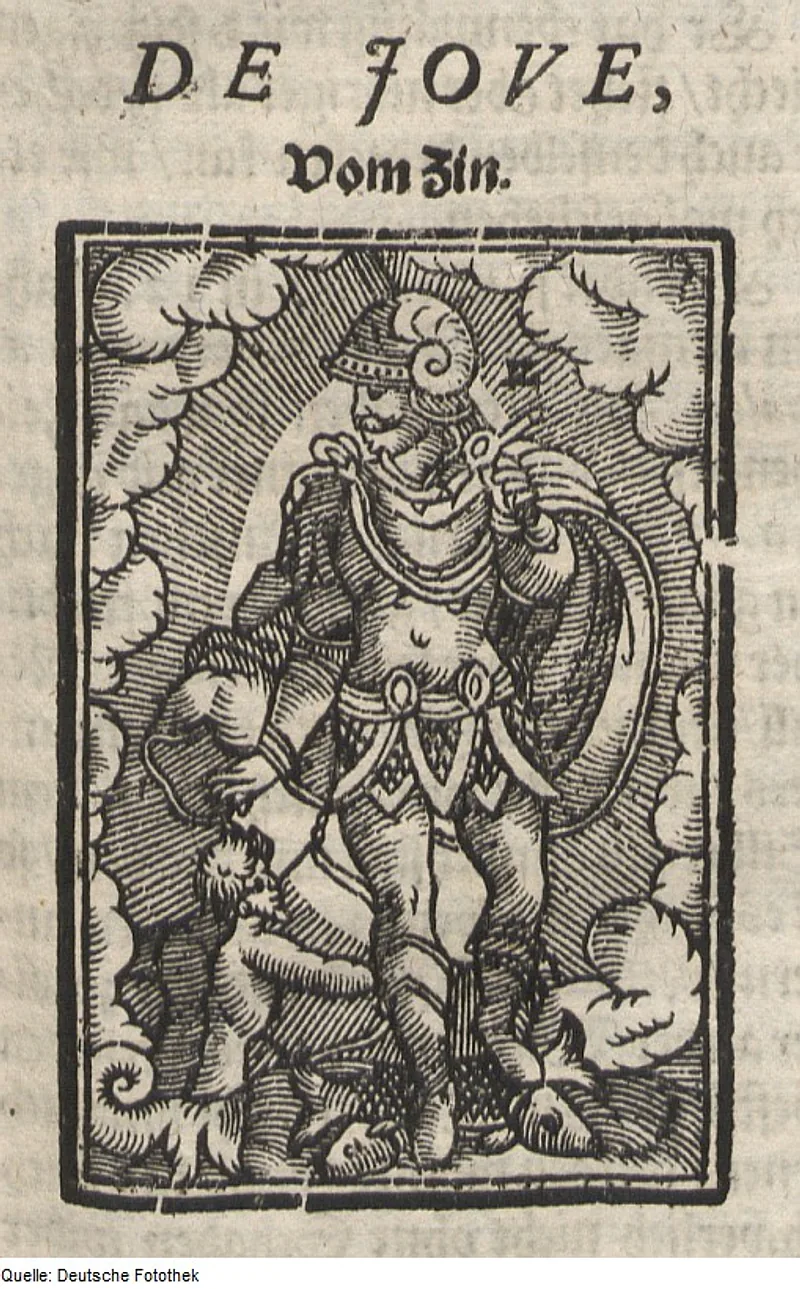
Wiccan and Pagan writers then combined these with older astrological correspondences. In Renaissance magic, colours were assigned to the planets, but the assignments vary between authors; the familiar modern scheme in which green means money is not ancient, and owes as much to American banknotes and to the commercial candle trade as to classical astrology. Scholars of contemporary Paganism, such as Sabina Magliocco, describe candle magic as a characteristic modern folk practice: easy to learn, adaptable and personal. See correspondences and hoodoo and rootwork.
Variations§
Colour meanings in common modern use (they vary between writers and traditions):
| Colour | Common modern uses |
|---|---|
| White | Cleansing, blessing, peace; an all-purpose substitute for any colour |
| Green | Prosperity, growth, employment, fertility of plans |
| Red | Courage, vitality, passion |
| Pink | Affection, friendship, self-love |
| Blue | Calm, healing support, truth |
| Yellow | Study, communication, confidence |
| Purple | Spiritual work, wisdom, dignity |
| Black | Absorbing and removing negativity, ending bad habits |
For a white candle cleansing, carve the word "clear" on a white candle, dress it with a little oil, and let it burn while you tidy and air the room, ending by washing your hands. In hoodoo, figure candles and seven-day glass-encased candles are often used, and colour meanings differ somewhat from Wiccan lists.
Safety and good sense§
Never leave a burning candle unattended or within reach of children and pets; use a heat-proof holder on a plate, keep it away from drafts, curtains and shelves, and snuff it before leaving the room or sleeping. Keep oil and dried herbs off the wick and away from the flame. Wash your hands after handling cinnamon, which can irritate skin. Magical work is no substitute for financial, legal or debt advice.
Sources and further reading§
- The Master Book of Candle Burning — Henri Gamache, 1942
- Practical Candleburning Rituals — Raymond Buckland, 1970
- Spiritual Merchants: Religion, Magic, and Commerce — Carolyn Morrow Long, 2001
- Witching Culture: Folklore and Neo-Paganism in America — Sabina Magliocco, 2004
- Wicca: A Guide for the Solitary Practitioner — Scott Cunningham, 1988