The Spellbook · Vodou & Hoodoo
Hoodoo Mojo Bag for Luck: Making and Feeding a Hand
How a hoodoo mojo bag for luck is made, filled with an odd number of roots and curios, fed and carried, with its African American history from Douglass on.
- TraditionAfrican American hoodoo, southern United States, 19th–20th century, with Central African roots
- ForLuck, Prosperity, Success
- DifficultyModerate
- Time30 minutes, then fed weekly
- WhenMany workers begin during the waxing moon or on a Sunday or Thursday; hoodoo sets no fixed rule

A mojo bag — also called a "hand", a "toby", a "jack" or, in Louisiana, a gris-gris — is a small cloth bag of roots, herbs, stones and other curios, prepared for a single purpose and carried on the body. It is the signature charm of hoodoo, the African American folk magic of the southern United States. A luck mojo is made with an odd number of ingredients, breathed into and "fed" regularly, and is treated almost as a living helper.
How to do it§
- Settle the purpose. A mojo is made for one aim: here, general luck in daily life, work and games of chance. Decide this clearly before you begin.
- Lay out the ingredients. Choose an odd number of items — three, five, seven, nine or thirteen are common. A traditional luck combination: a John the Conqueror root (for strength and mastery), a pinch of five-finger grass (said to bring whatever five fingers can do), allspice (for money and luck), a silver coin, and a small lodestone (to draw). Name each as you put it on the table.
- Pray over the work. Many hoodoo workers read a psalm or say a prayer; Psalm 23 or Psalm 4 are often used, and a simple spoken intention will also serve. Hold your hands over the ingredients and say what the hand is for.
- Load the bag. Put each item into the red flannel bag one at a time, saying its purpose. Some add a small folded petition paper bearing your name and the word "luck".
- Breathe life into it. Hold the open bag up to your mouth and breathe into it, then pull the drawstring tight and knot it. In hoodoo the breath "wakes up" the hand and binds it to its owner.
- Feed it. Dab a few drops of whiskey, rum or a dressing oil on the outside of the bag, telling it what you want it to do. Feed it the same way about once a week, or before an important day.
- Carry it privately. Keep the bag in a pocket, purse or pinned inside clothing — on the left side or near the body, as many prefer. Traditionally no one else should touch it, or its power may weaken.
- When it is finished. If the bag is damaged or its work is complete, open it, thank it, and bury the contents in the yard or at the foot of a tree; keep or spend the coin.
Origins and history§
Bundles of potent substances are central to the religions of Central Africa, especially the Kongo minkisi, containers of medicines that housed spiritual power. Scholars such as Robert Farris Thompson have traced the African American "hand" to these traditions, and some suggest that the word mojo itself may derive from a Kongo term for soul or life, though the etymology is uncertain. Enslaved people carried such charms in the American South, where they absorbed European and Native American herbal knowledge and Christian prayer.
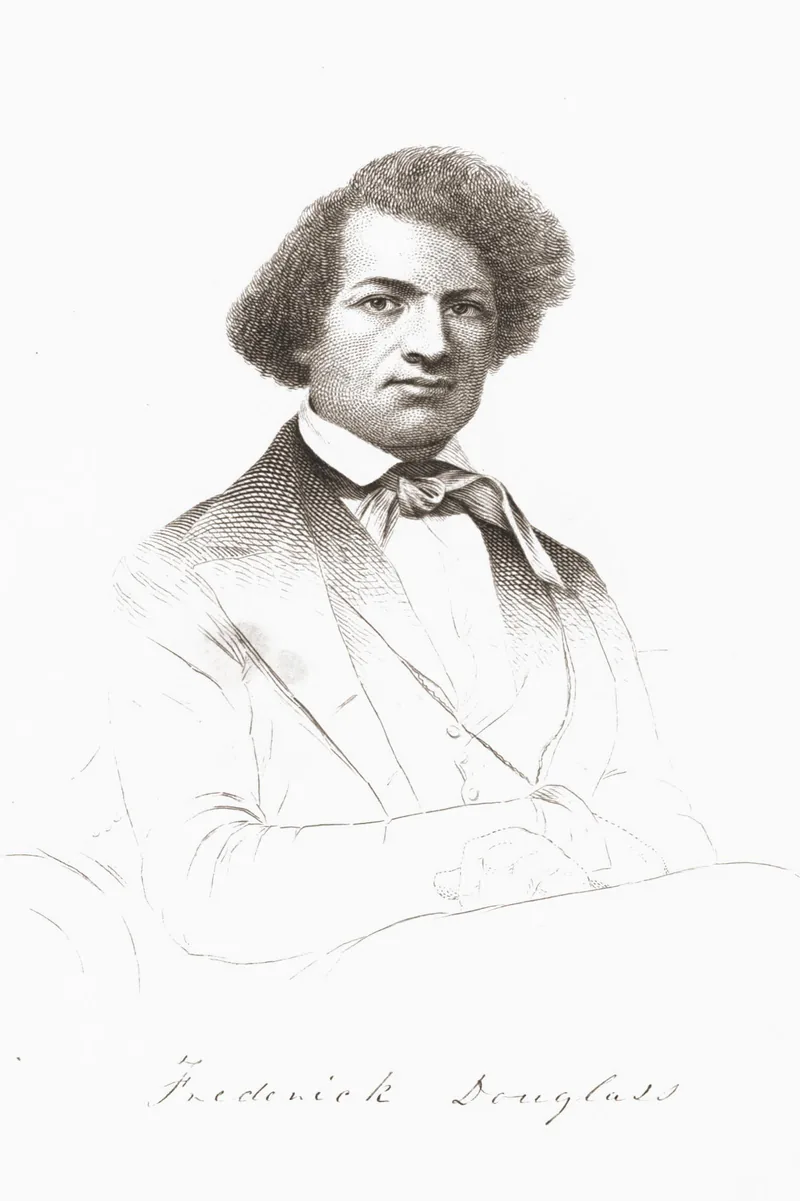
One of the earliest and best-known accounts comes from Frederick Douglass's Narrative of the Life of Frederick Douglass (1845): the enslaved man Sandy Jenkins gave the young Douglass a root to carry on his right side, assuring him that no white man could whip him while he had it. Douglass reports his scepticism, yet also that he was not beaten again by the overseer Covey after their famous fight. Later, Zora Neale Hurston described hands and their makers in Mules and Men (1935), and Harry Middleton Hyatt's vast interviews record hundreds of recipes for luck, gambling, love and protection. In the twentieth century, mail-order spiritual supply companies sold ready-made mojos and named curios such as John the Conqueror root, which became famous through blues songs, including Muddy Waters' "I'm Your Hoochie Coochie Man" (1954).
Historians including Yvonne Chireau, Jeffrey Anderson and Katrina Hazzard-Donald emphasise that hoodoo is an African American religious and cultural creation, developed under slavery and segregation as a source of protection, agency and hope. See hoodoo and rootwork and amulets and talismans.
Variations§
Older hands sometimes contained animal parts — a rabbit's foot, a so-called black cat bone, or a raccoon penis bone for gambling — and bodily materials; these are omitted here. Some workers prefer green flannel for money and red for luck or love. Louisiana gris-gris bags, linked with New Orleans Voodoo, often contain different herbs and are tied with colours associated with particular saints or spirits.
Safety and good sense§
John the Conqueror root (a species of Ipomoea) and some other curios are poisonous if eaten, so keep the bag and its contents away from children and pets, and never ingest any ingredient. Lodestones and coins are small enough to swallow. Alcohol is flammable; feed the bag away from flames. If you use an oil, dilute any essential oils and keep them off broken skin. A charm for luck is no substitute for sound financial decisions, and gambling should never be done with money you cannot afford to lose.
Sources and further reading§
- Narrative of the Life of Frederick Douglass — Frederick Douglass, 1845
- Mules and Men — Zora Neale Hurston, 1935
- Hoodoo—Conjuration—Witchcraft—Rootwork — Harry Middleton Hyatt, 1970
- Black Magic: Religion and the African American Conjuring Tradition — Yvonne P. Chireau, 2003
- Mojo Workin': The Old African American Hoodoo System — Katrina Hazzard-Donald, 2013
- Flash of the Spirit: African and Afro-American Art and Philosophy — Robert Farris Thompson, 1983