Herbal Dream Pillow with Lavender and Hops
How to make a herbal dream pillow with lavender, hops and chamomile for restful sleep and remembered dreams, with the history of hop pillows and safety notes.

A dream pillow is a small sachet of dried, fragrant herbs slipped inside the pillowcase to encourage restful sleep, calm the mind and, in magical practice, invite clear and memorable dreams. This version uses lavender, hops and chamomile, herbs long used in European households for sleep, and leaves out the stronger "dream herbs" sometimes found in modern recipes. Making it can be accompanied by a simple spoken intention and the habit of recording dreams on waking.
How to do it§
- Gather and check the herbs. Use clean, dry, food-grade or herbalist-quality flowers. Smell each one: the blend should be soft and pleasant, not overpowering. Hops have a strong, earthy scent; use less if you dislike it.
- Mix with intention. In a bowl, combine the lavender, hops, chamomile and rose petals. Stir with your fingers and say what you hope for, in your own words — for instance: "Herbs of rest, bring quiet sleep, kind dreams and clear remembering."
- Sew the pouch. Place the two squares of cloth together, right sides in, and stitch around three sides. Turn it right side out. (A ready-made drawstring bag will do.)
- Fill and close. Spoon in the herbs so the pouch is loosely filled and flat, then stitch the fourth side closed or knot the drawstring firmly.
- Place it. Slip the sachet inside the pillowcase, between pillow and case, or lay it beside the pillow. It should be close enough to smell faintly, not under your face.
- Prepare for sleep. Before bed, hold the pillow briefly and repeat your intention. If you want to remember dreams, tell yourself that you will, and keep the notebook within reach.
- Record. On waking, lie still for a moment, then write down any dream fragments before getting up. Patterns often appear over weeks.
- Refresh. Squeeze the sachet to release scent each night. After two or three months, when the scent fades, open it, add the old herbs to compost and refill it.
Origins and history§
Sleeping on fragrant herbs is an old domestic practice. Medieval and early modern households strewed floors and stuffed mattresses with sweet-smelling plants such as lady's bedstraw, lavender and woodruff, partly for scent and partly to deter fleas. The hop pillow is especially well documented: English herbalists recommended a pillow stuffed with warmed hops for sleeplessness, and Maud Grieve's A Modern Herbal (1931) still mentions the remedy. Many later writers add the story that a hop pillow was prescribed for King George III. The story is often repeated and its details are hard to verify, but the use of hop pillows in the eighteenth and nineteenth centuries is not in doubt.
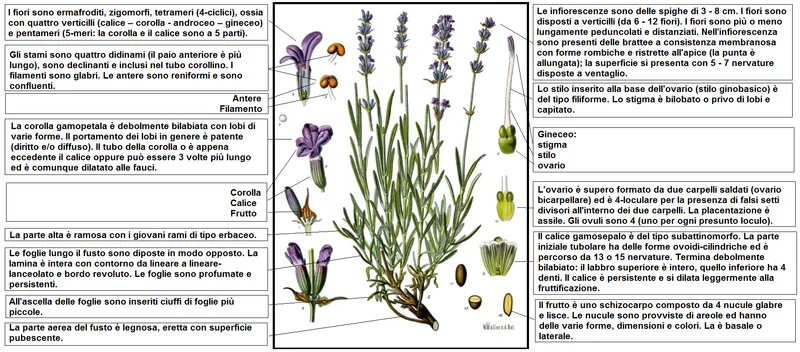
Lavender has been prized for its clean scent since Roman times, and early modern herbals, including Culpeper's (1652), recommended it for troubles of the head. Chamomile tea and chamomile-scented linen were common home remedies for restlessness. The magical "dream pillow", designed to bring prophetic or vivid dreams, is a later development of the twentieth-century herbal and witchcraft revival; writers such as Scott Cunningham popularised sachets for sleep, dreams and love. Dream incubation itself — seeking guidance in sleep — is ancient, from the healing sanctuaries of Asclepius in Greece to Jewish and Islamic traditions of the meaningful dream. See herbal magic and dreams and astral projection.
Variations§
Some modern recipes include mugwort, a herb with a strong folk reputation for vivid dreams. It is left out here because it is a common allergen (related to ragweed) and is unsafe in pregnancy; it should never be smoked or burned for this purpose. Other gentle additions include lemon balm, a few rose petals, or a single bay leaf for protection. A purely scent-based version uses a cotton pad with one or two drops of lavender essential oil inside the case.
Safety and good sense§
Do not put dream pillows, sachets or loose herbs in the cot or bed of a baby or young child: they are a choking and suffocation risk. Hops, chamomile and some other herbs can cause allergic reactions, and chamomile is related to ragweed; stop using the pillow if you sneeze, itch or wheeze. Hops are poisonous to dogs, so keep the sachet where pets cannot chew it. Keep the sachet dry to avoid mould. Persistent insomnia, nightmares or sleep problems deserve medical advice; an herbal pillow is a comfort, not a treatment.
Sources and further reading§
- A Modern Herbal — Maud Grieve, 1931
- The English Physitian — Nicholas Culpeper, 1652
- Cunningham's Encyclopedia of Magical Herbs — Scott Cunningham, 1985
- Magical Herbalism — Scott Cunningham, 1982
- Dreams in Late Antiquity: Studies in the Imagination of a Culture — Patricia Cox Miller, 1994