Dream Oracle Request from the Greek Magical Papyri
A safe adaptation of a dream-oracle request from the Greek Magical Papyri, with what the ancient recipes prescribed and the tradition of temple incubation.
- TraditionGreco-Egyptian magic of Roman Egypt, Greek Magical Papyri (c. 1st century BCE–5th century CE); safe modern adaptation
- ForDreams, Divination
- DifficultySimple
- Time20 minutes before sleep, and a few minutes on waking
- WhenA quiet night after a light supper; the papyri sometimes specify lunar conditions, but many dream requests set no date

Among the hundreds of recipes in the Greek Magical Papyri are many "dream requests" (oneiraitēta): rites for asking a god to send a true dream that answers a question. They draw on an older Egyptian and Greek practice of seeking divine guidance in sleep at temples. This entry gives a simple, safe adaptation for home use, followed by an account of what the papyri themselves prescribed and why some of their ingredients have been left out.
How to do it§
The following keeps the structure common to the papyri: purity, a written request, a short prayer spoken to a lamp, silence, and sleep. The wording of the prayer is original to this entry, since most papyrus formulas consist of long strings of divine names whose sense is uncertain.
- Prepare during the day. Eat lightly in the evening and avoid alcohol. The papyri often ask the practitioner to be "pure" for a period beforehand, which in practice meant sexual abstinence and avoiding certain foods. A quiet, calm day is a reasonable modern equivalent.
- Write the question. On a small slip of paper write one clear question, for example "What should I understand about the choice before me?" Keep it simple and about your own life.
- Prepare the bed. Tidy the bedroom, put on clean nightclothes and place the slip, with a few bay leaves if you have them, under your pillow. Bay was sacred to Apollo, god of oracles, and appears in several dream recipes.
- Speak to the lamp. Sit before a lit oil lamp or candle. Many papyri tell the practitioner to address the request to the lamp, through which the god was thought to come. Say quietly, in your own words or with this original wording: "Giver of true dreams, you who know what is hidden, show me in sleep what I need to see about the question beneath my head, and let me remember it when I wake."
- Put out the flame. Extinguish the lamp completely before you lie down. Never sleep with a flame burning. Some ancient recipes have the lamp put out at this point, and that is the only safe course.
- Sleep without speaking. The papyri repeatedly instruct the practitioner to go to bed "without giving an answer to anyone". Lie down in silence, holding the question lightly in mind.
- Record on waking. Before speaking or checking your phone, write down whatever you remember, however fragmentary: images, words, feelings.
- Close. Give thanks in a few words. Burn the slip safely in a dish, or tear it up and discard it, and return the bay leaves to the kitchen or the garden. If no dream comes, the papyri themselves often suggest repeating the rite on later nights.
Origins and history§
The Greek Magical Papyri (Papyri Graecae Magicae, abbreviated PGM) are a body of ritual handbooks written in Greek, with passages in Demotic and Coptic, mostly in Roman Egypt between roughly the first century BCE and the fifth century CE. Many came from a single cache, the so-called Theban Magical Library, sold to European collectors in the early nineteenth century. Karl Preisendanz edited them in the 1920s and 1930s, and Hans Dieter Betz's team produced the standard English translation in 1986.
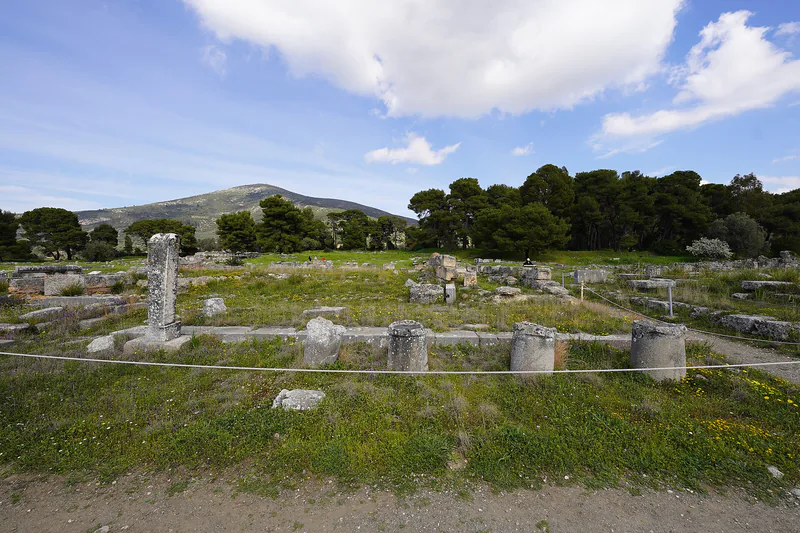
Dream requests are among their most frequent recipes. They borrow from temple incubation: in Egypt, petitioners slept in sanctuaries such as the Serapeum at Memphis hoping for a god's answer, and in Greece the sick slept in the precincts of Asclepius at Epidaurus. Gil Renberg's survey shows how widespread incubation was across the Greco-Roman world. The papyri transfer this temple practice to a private room, often using a lamp as the meeting place of the god.
The recipes could be elaborate. One dream request associated with the Egyptian god Bes (PGM VIII) told the practitioner to draw the god's figure on the left hand in a special ink, to wrap the hand in black cloth and to sleep without speaking. Some inks and offerings in this and similar recipes call for animal blood or parts of animals. Others call names on bay leaves written in myrrh, or use specific lunar timing. Those animal elements are omitted here in line with this library's practice. Scholars such as Fritz Graf and Garth Fowden read these rites as products of Egyptian temple priests adapting their skills for private clients in the Roman period.
Variations§
Some papyrus recipes ask for a dream visit from a particular god, such as Hermes, Bes or Helios, and others for a "direct vision" while awake. Modern practitioners of Hellenic and Kemetic polytheism adapt the dream request to their own deities. Psychologically minded readers use the same structure as a form of dream journaling.
Safety and good sense§
Never fall asleep with a lamp, candle or incense burning. Keep flames away from bedding and curtains. Dreams can be meaningful to the dreamer, but they are not reliable guides to medical, legal or financial decisions; seek proper advice for those. Persistent nightmares or disturbed sleep deserve a doctor's attention.
Sources and further reading§
- The Greek Magical Papyri in Translation — Hans Dieter Betz (ed.), 1986
- Magic in the Ancient World — Fritz Graf, 1997
- Arcana Mundi: Magic and the Occult in the Greek and Roman Worlds — Georg Luck, 1985
- The Egyptian Hermes — Garth Fowden, 1986
- Where Dreams May Come: Incubation Sanctuaries in the Greco-Roman World — Gil H. Renberg, 2017