Compline Psalms for a Quiet Night and Peaceful Sleep
How to pray the Compline psalms (4, 91 and 134) and the Nunc Dimittis for a quiet night and peaceful sleep, with their monastic and Jewish history.
- TraditionChristian monastic night prayer, Rule of St Benedict (6th century), with Jewish bedtime parallels
- ForPeace, Dreams, Protection
- DifficultySimple
- Time10–15 minutes
- WhenLast thing at night, before going to bed

Compline is the night prayer of the Christian church, the last of the monastic "hours", and its psalms have been prayed before sleep for some fifteen hundred years. The Rule of St Benedict fixed three for every night: Psalm 4, with its line about lying down in peace; Psalm 91, the great psalm of protection; and Psalm 134, a blessing in the night. Prayed simply at home, they form a gentle rite for laying down the day's cares and asking for a quiet night and untroubled dreams.
How to do it§
- Prepare the room. Dim the lights. If you light a candle, set it in a secure holder well away from bedding and curtains. Put away screens.
- Open. Make the sign of the cross if that is your custom and say: "May the Lord almighty grant us a quiet night and a perfect end", the traditional opening blessing of Roman Compline (Noctem quietam et finem perfectum).
- Examine the day. Spend a minute or two recalling the day honestly: what you are grateful for, what you regret. Ask forgiveness where you need it and resolve to make amends.
- Pray the psalms. Read Psalm 4 slowly. Its last verse in the King James Version reads: "I will both lay me down in peace, and sleep: for thou, LORD, only makest me dwell in safety." Then read Psalm 91 and Psalm 134. Pause after each.
- The Gospel canticle. Read the Song of Simeon, the Nunc Dimittis (Luke 2:29–32), "Lord, now lettest thou thy servant depart in peace", with its traditional antiphon Salva nos, Domine, vigilantes, which may be rendered "Save us, Lord, while we wake, and guard us while we sleep."
- Pray for the house. Ask God to visit the house and keep away all dangers, and to let his angels dwell in it to keep you in peace. This follows the Compline collect Visita, quaesumus; any simple words will do.
- Close. Many end with a hymn to the Virgin Mary such as the Salve Regina, or the Lord's Prayer. Extinguish the candle before you get into bed, and then keep silence until morning, as monks keep the "Great Silence".
Origins and history§
Prayer at nightfall is older than Christianity. Jewish tradition developed the Kriat Shema al ha-mitah, the recitation of the Shema and protective verses at bedtime, in which Psalms 3 and 91 appear and the archangels are asked to stand around the sleeper. Early Christian writers, including Basil of Caesarea in the fourth century, describe prayers said before sleep in monastic communities.
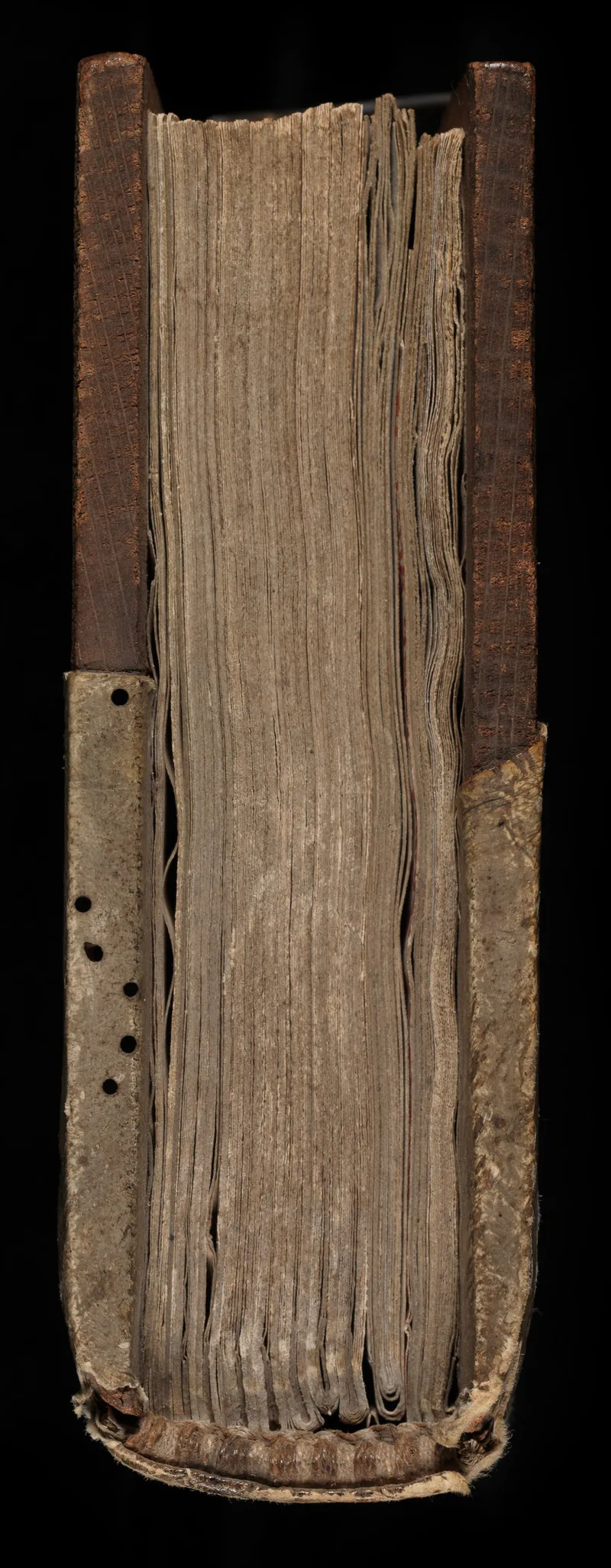
The structure of Compline was fixed in the West by the Rule of St Benedict, written around 530–560, which in chapter 18 prescribes that Psalms 4, 90 and 133 (in the numbering of the Greek and Latin Bibles; 4, 91 and 134 in the Hebrew) be said every night without change. Benedict's choice of unchanging psalms, so that monks could pray them by heart in the dark, gave them a special association with sleep and protection. The Roman office added the hymn Te lucis ante terminum, which asks for protection from bad dreams and the terrors of the night, and the Nunc Dimittis.
At the English Reformation Thomas Cranmer folded parts of Compline into Evening Prayer in the Book of Common Prayer (1549), and the Nunc Dimittis is still sung at Evensong. Compline itself was revived among Anglicans in the twentieth century and is now widely sung in cathedrals and colleges, and the reformed Roman Liturgy of the Hours (1971) offers a cycle of Compline psalms through the week with Psalm 91 on Sundays. Eastern Orthodox Christians pray a related office, Small Compline, with its own psalms.
Variations§
Families may say a short Compline together with children, reading only Psalm 4 and the Nunc Dimittis. Some keep a sprig of rosemary or a small cross by the bed. Those troubled by nightmares sometimes add Psalm 3 or Psalm 121.
Safety and good sense§
Never fall asleep with a candle burning; extinguish it before you lie down, and keep it away from bedding, curtains and children. Persistent insomnia, nightmares or distress can have medical or psychological causes: prayer may bring calm, but it is no substitute for seeing a doctor or counsellor.
Sources and further reading§
- The Holy Bible (King James Version) — Anonymous, 1611
- Jewish Magic and Superstition — Joshua Trachtenberg, 1939
- Secrets of the Psalms — Godfrey Selig, 1788
- Mysticism: A Study in the Nature and Development of Spiritual Consciousness — Evelyn Underhill, 1911
- Binding Words: Textual Amulets in the Middle Ages — Don C. Skemer, 2006
- Magic in the Middle Ages — Richard Kieckhefer, 1989