Namburbi: Babylonian Rituals for Averting Evil Omens
Namburbi, the Babylonian and Assyrian rites for 'loosening' the evil foretold by an omen: what happened at the riverbank, who performed them, and why.
- TraditionAncient Mesopotamia, Assyrian and Babylonian scholarly ritual, chiefly 1st millennium BCE
- ForBanishing, Protection
- Presented asHistory only
- WhenPerformed as soon as possible after the omen, often at dawn or at the riverbank before the sun god

In ancient Mesopotamia an omen was not a fixed fate but a verdict, and a verdict could be appealed. The namburbi (Akkadian namburbû, from a Sumerian phrase meaning "its loosening") were rituals designed to undo the evil announced by an ominous sign. A snake in the bedroom, a strange birth among the flocks or a fungus on the house wall might all count as such signs. Performed by a trained exorcist on behalf of a client, often at a riverbank before the sun god, they are among the most detailed ritual texts surviving from the ancient Near East. They are presented here as history.
Why this entry is historical§
Namburbi rites were the professional work of the āšipu, a scholar-exorcist trained in a large body of cuneiform texts. They included animal offerings, invocations of the gods and the ritual disposal of substitute figures, all within a religious system that no longer exists. They are described here as Assyriologists reconstruct them, not as a practice to perform.
How it was done§
Each namburbi was tailored to a particular omen, but most follow a common pattern, which Stefan Maul set out in his comprehensive edition.
- Diagnosis. A sign was observed and identified, often with the help of the great omen series Šumma ālu ("If a city..."), which listed thousands of everyday portents and their meaning. The client then turned to an āšipu.
- Preparation at the river. At dawn the exorcist set up a reed altar and an offering table on the bank of a river, facing the rising sun. He laid out bread, dates, flour, beer and incense, and sometimes sacrificed a sheep.
- The appeal to the divine judges. The client knelt and, guided by the exorcist, recited a prayer to Šamaš, the sun god and judge of heaven and earth, often joined by Ea, god of wisdom and fresh water, and Asalluḫi (Marduk). The prayer named the omen, declared that the client was frightened, and asked the gods to "loosen" the evil and let it pass by.
- Removal of the evil. The ominous object itself (for example, the dead snake), or a clay model of it, or a figurine standing in for the client, was treated with the evil and then cast into the river, so the current carried the evil away. Washing, rubbing with flour and changing garments purified the client.
- Protection afterwards. The client might be given an amulet, such as a leather bag of stones or a cord, to wear. He was told to go home by a different road without looking back, and the threatening sign was declared void.
Origins and history§
Mesopotamian divination was one of the great intellectual achievements of the ancient world. From the early second millennium BCE scholars compiled vast collections of omens: the livers of sacrificed sheep, the movements of the planets, births, dreams and the behaviour of animals in towns. These collections were not mere superstition but a systematic attempt to read the will of the gods written into the world. As Jean Bottéro and A. Leo Oppenheim have explained, the gods were thought to announce their decisions through signs, and a decision announced could be revised by appeal before it took effect.
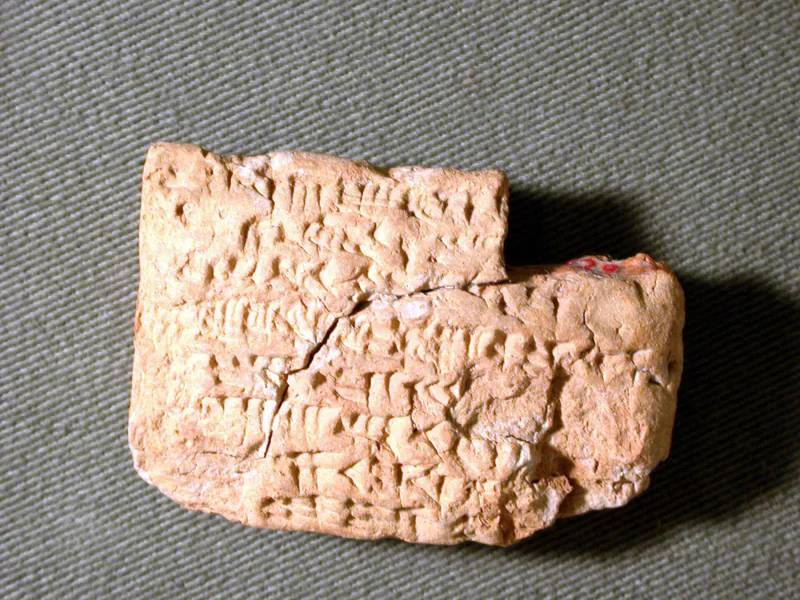
Namburbi texts are attested from the second millennium BCE but are best known from the first. Many were copied for the libraries of Assur and of the Assyrian king Ashurbanipal at Nineveh in the seventh century BCE, where scholars were responsible for protecting the king from every portent. Assyrian royal correspondence shows exorcists performing namburbis for the king after eclipses and other alarming signs. Richard Caplice introduced the corpus to English readers in 1974. Maul's Zukunftsbewältigung ("Coping with the Future", 1994) remains the standard study.
Scholars stress the legal logic of the rites. The client stood before divine judges as before a court, admitted fear rather than guilt, and asked for the verdict to be reversed. The river, sacred to Ea and itself a divine judge in Mesopotamian ordeal law, carried away the evil.
Safety and good sense§
No safety concerns arise from reading about these rites. For anyone troubled by a sense of foreboding today, the Mesopotamian instinct to name the fear and seek help is sound; talk to friends, a counsellor or a doctor.
Sources and further reading§
- The Akkadian Namburbi Texts: An Introduction — Richard I. Caplice, 1974
- Zukunftsbewältigung: Eine Untersuchung altorientalischen Denkens anhand der babylonisch-assyrischen Löserituale (Namburbi) — Stefan M. Maul, 1994
- Religion in Ancient Mesopotamia — Jean Bottéro, 2001
- Ancient Mesopotamia: Portrait of a Dead Civilization — A. Leo Oppenheim, 1964
- Gods, Demons and Symbols of Ancient Mesopotamia — Jeremy Black and Anthony Green, 1992