Liber XI · Herbal Magick · Chapter V: Incense & Resins
Incense and Resins in Religion and Magic: Frankincense to Copal
Incense and resins in religion and magic: frankincense, myrrh and the incense trade, Egyptian kyphi, Temple and church incense, puja and kodo, magical suffumigations, copal.

Incense, aromatic material burned to release fragrant smoke, has been used in worship and magic for at least four thousand years. Resins such as frankincense and myrrh from Arabia and the Horn of Africa, copal in Mesoamerica and sandalwood and agarwood in Asia were offered to gods, used to purify sacred space and, in ceremonial magic, burned as "suffumigations" thought to attract or banish spirits according to their planetary nature.
Frankincense, Myrrh and the Ancient Incense Trade§
Frankincense is the dried resin of trees of the genus Boswellia, which grow in southern Arabia (modern Oman and Yemen) and in Somalia and Ethiopia; myrrh comes from thorny Commiphora shrubs of the same regions. Both are harvested by cutting the bark and collecting the "tears" of resin that harden on the trunk. In the first millennium BCE their trade enriched the South Arabian kingdoms of Saba, Qataban and Hadramawt and, later, the Nabataeans of Petra, who controlled caravan routes north to Gaza and Damascus.
Egypt sought these resins very early. Reliefs in Queen Hatshepsut's temple at Deir el-Bahari (fifteenth century BCE) depict an expedition to the land of Punt, returning with living incense trees in baskets. Roman demand was so great that Pliny the Elder complained of the sums flowing to Arabia, and the gifts of the Magi in Matthew's Gospel, gold, frankincense and myrrh, reflect the resins' status as treasures fit for a king. Nigel Groom's study of the incense trade remains the standard account of these routes.
Incense in Egyptian and Hebrew Temples§
In Egyptian temples, incense was offered at every stage of the daily ritual, its smoke understood as a vehicle carrying offerings and prayers to the gods and as itself divine, the "sweat of the gods." Besides simple resins, priests compounded kyphi, an incense of many ingredients burned in the evening; Plutarch, in On Isis and Osiris, says it was composed of sixteen ingredients, and versions of its formula are inscribed on the walls of the temples of Edfu and Philae. Its preparation was itself a ritual act accompanied by recitations.
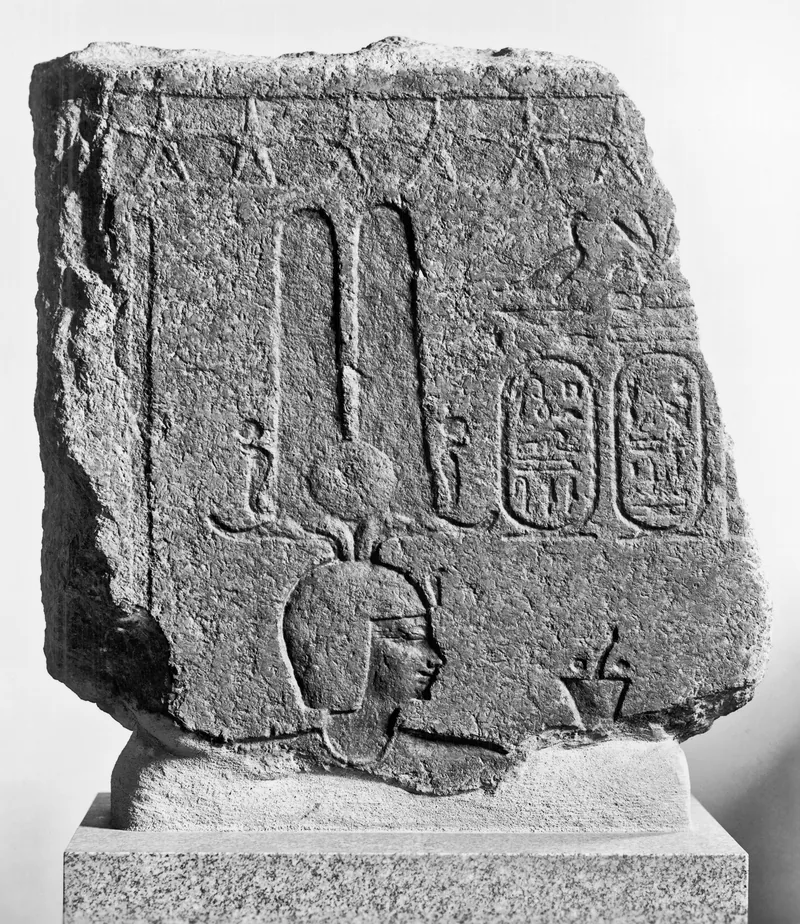
The Hebrew Bible prescribes a holy incense (ketoret) for the Tabernacle and Temple, made of stacte, onycha, galbanum and pure frankincense, and forbids its use for any private purpose (Exodus 30). The offering of incense on the golden altar was a central daily rite, and on the Day of Atonement the High Priest carried incense into the Holy of Holies. Psalm 141 asks that prayer be "set forth before thee as incense," an image that passed into Christian worship.
Incense in Christianity and Islam§
Early Christians were wary of incense because burning it before images of the emperor or the gods was the test of loyalty during persecutions; under Decius in 250, those who complied were called thurificati, "incense-burners." Once Christianity became the religion of the empire, incense entered the liturgy, probably from the late fourth century, first in processions and funerals and then in the Eucharist. Swinging censers (thuribles), the incensing of altars, gospels, icons and congregations, and the symbolism of rising smoke as prayer remain central in Orthodox, Catholic and some Anglican worship; Susan Ashbrook Harvey has explored this "olfactory imagination" of early Christianity.
In the Islamic world, incense (bakhur) is used to perfume homes, mosques and clothing, especially on Fridays and festivals. Agarwood (oud), the resin-saturated heartwood of Aquilaria trees, is among the most prized and expensive aromatic materials in the world, and Arabian frankincense continues to be burned in daily life in Oman and Yemen.
Incense in Hindu, Buddhist and East Asian Ritual§
In Hindu worship (puja), incense (dhupa) is one of the standard offerings made to the deity, together with flowers, light, food and water. Sandalwood paste and smoke are especially sacred, and incense sticks (agarbatti) are burned daily in homes and temples. Buddhism carried incense offerings across Asia: before images of the Buddha, incense symbolises the spreading fragrance of virtue and the impermanence of all things, as the stick burns away.
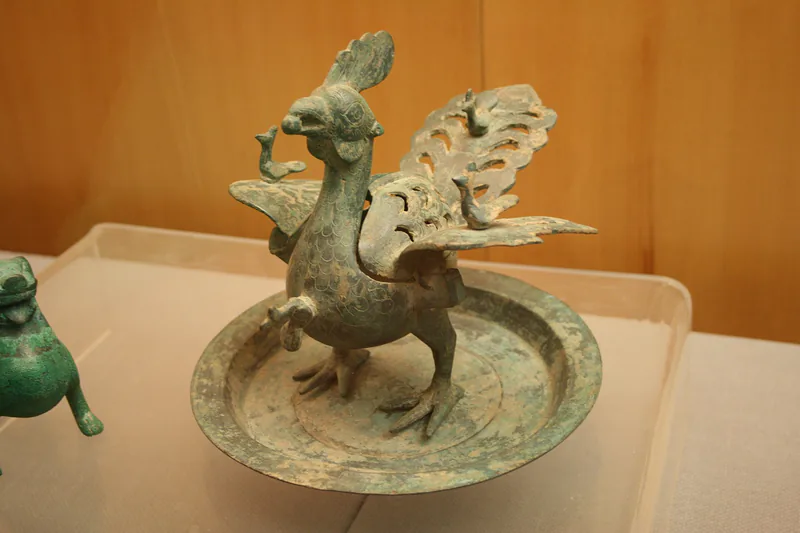
In China, incense burners stood at the centre of ancestral and temple rites, and Daoist ritual uses incense to transmit petitions to the heavenly bureaucracy. Japan developed kodo, the "way of incense," a refined art of appreciating aromatic woods, especially agarwood, which took shape in aristocratic and samurai circles from around the fifteenth century alongside the tea ceremony.
Suffumigations in Ceremonial Magic§
Magical texts treat fumigation as an active force. The Greek magical papyri of Roman Egypt prescribe offerings of frankincense, myrrh and other substances to accompany invocations, and each of the Orphic Hymns is headed by the fumigation appropriate to its deity, such as frankincense for one god and storax or aromatic herbs for another. The Arabic Picatrix gives elaborate planetary fumigations used in rituals to draw down the spirits of the planets.
Agrippa's Three Books of Occult Philosophy (1533) devotes chapters to "perfumes or suffumigations," explaining that pleasant odours attract good spirits and foul ones repel them, and assigning fumigations to the planets and signs; see Agrippa's Three Books of Occult Philosophy and the planetary herbs guide. The Key of Solomon instructs the operator to prepare and exorcise incense before the work, and the Lesser Key of Solomon mentions fumigations in its conjurations. Some historical fumigation formulas include poisonous plants such as henbane; these are of purely historical interest, since their smoke can be harmful.
Copal, Sage and Modern Practice§
In Mesoamerica, copal, the resin of Bursera and related trees, called pom by the Maya, was burned in temples and caves, offered in great quantities at sacred sites such as the cenote of Chichen Itza, and is still used in Maya ritual and Mexican Day of the Dead observances. In North America, many Native nations burn sweetgrass, cedar, tobacco or sage in ceremony; the popular "smudging" with bundles of white sage has prompted debates about cultural appropriation and the overharvesting of wild plants.
Modern Pagans, ceremonial magicians and spiritual practitioners use incense widely, often following Golden Dawn and Wiccan correspondences or the lists in what is herbal magic?. Practical cautions apply: incense smoke indoors contributes to air pollution, some ingredients can irritate the lungs, and burning resins is a fire risk.
Frequently asked questions§
Why is incense used in religion?§
Fragrant smoke has been understood as an offering pleasing to the gods, a way of carrying prayers upward, a means of purifying people and places, and a sign of the divine presence. It also marks ritual time and space with a distinctive sensory atmosphere.
What is the difference between frankincense and myrrh?§
Both are tree resins from southern Arabia and the Horn of Africa. Frankincense (Boswellia) burns with a bright, lemony fragrance and was the principal temple incense; myrrh (Commiphora) is bitter and darker and was used in incense, perfumes, medicine and embalming.
What is kyphi?§
Kyphi was an Egyptian temple incense made from many ingredients, burned especially in the evening. Plutarch said it had sixteen components, and recipes survive in temple inscriptions, though their ingredients and proportions are interpreted differently by scholars.
What incense is used in magic?§
Ceremonial magic traditionally assigns fumigations by planet: frankincense and other bright resins to the Sun, for example. Lists differ between Agrippa, the grimoires and modern sources such as the Golden Dawn and Aleister Crowley's 777.
Sources and further reading§
- Frankincense and Myrrh: A Study of the Arabian Incense Trade — Nigel Groom, 1981
- Sacred Luxuries: Fragrance, Aromatherapy, and Cosmetics in Ancient Egypt — Lise Manniche, 1999
- A History of the Use of Incense in Divine Worship — E. G. Cuthbert F. Atchley, 1909
- Scenting Salvation: Ancient Christianity and the Olfactory Imagination — Susan Ashbrook Harvey, 2006
- The Orphic Hymns — Apostolos N. Athanassakis (trans.), 1977
- Three Books of Occult Philosophy — Heinrich Cornelius Agrippa, 1533
- Picatrix: The Latin Version of the Ghayat al-Hakim — David Pingree (ed.), 1986