Liber XXIII · Rastafari · Chapter III: Livity, Ital & Dreadlocks
Rastafari Livity: Ital Food, Dreadlocks and the Sacred Herb
Rastafari livity explained: the ital diet, the meaning and history of dreadlocks, the red, gold and green, and ganja as a sacrament in religion and law.

Livity is the Rastafari way of life: a discipline of body and spirit that aims to live in harmony with Jah and with nature and to stand apart from Babylon. Its best-known marks are the ital diet of natural, mostly plant-based food, the uncut hair worn as dreadlocks in accordance with the Nazirite vow, and, for many Rastafari, the sacramental use of ganja, the "holy herb". Livity is practised with varying strictness in the different mansions and by individual believers.
What Livity Means§
The word livity, from "live", is used by Rastafari for the whole conduct of life in the light of their faith. It rests on the conviction, described in Rastafari beliefs, that God is living and present and that the body is a temple of Jah. To live rightly is to follow the natural order Jah created and to refuse the artificial, commercial and destructive ways of Babylon: processed food and chemicals, alcohol and tobacco, vanity and greed.
Livity is therefore not a list of rules but a direction of life, though many of its expressions draw on the laws of the Hebrew Bible. Strictness varies widely. The Bobo Ashanti keep detailed Levitical codes, the Nyabinghi tradition is known for its rigour, and the Twelve Tribes of Israel leave more to individual conscience, as explained in the mansions of Rastafari.
Ital: The Rastafari Way of Eating§
Ital is formed from "vital" with the initial syllable replaced by "I", the sign of the divine self in Rasta speech. Ital food is food that is alive and life-giving: grown from the earth, fresh, whole and prepared simply, without preservatives, artificial colouring or chemical additives.
Scriptural roots§
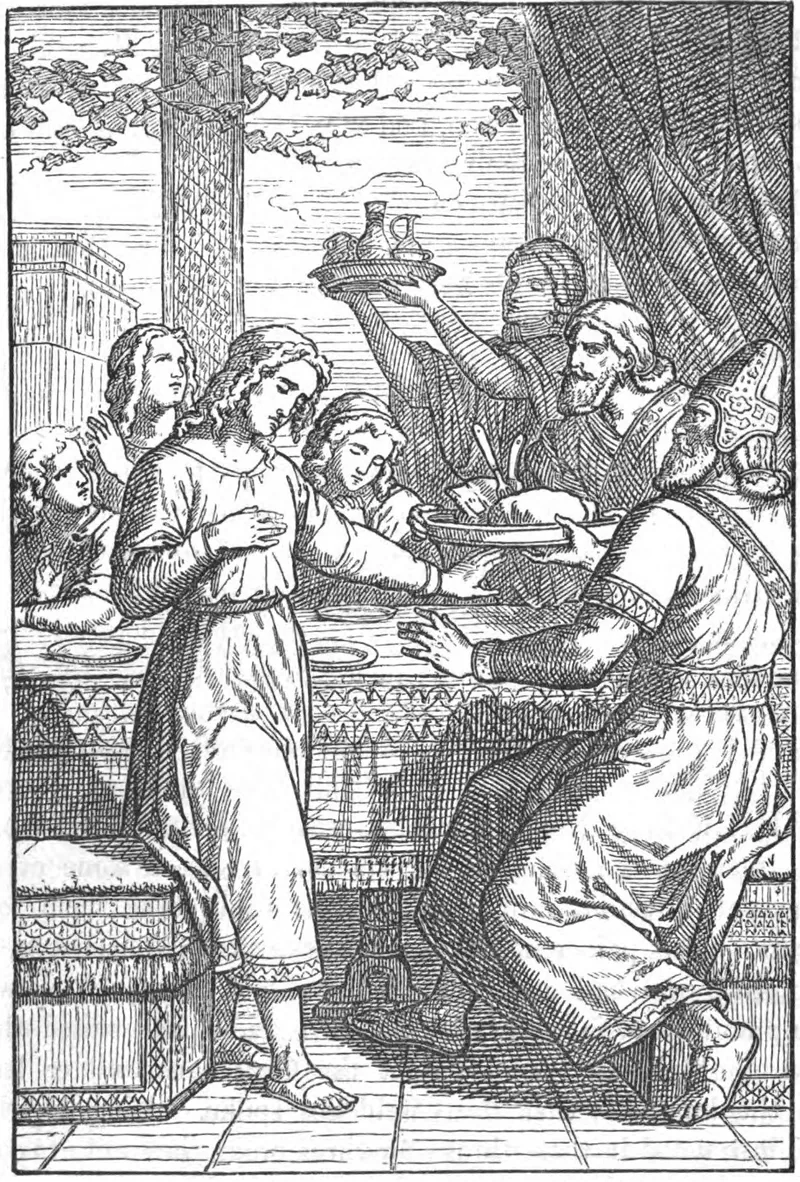
Rastafari find the basis of the ital diet in the Bible. The dietary laws of Leviticus 11 forbid pork and creatures without fins and scales, and Genesis gives every seed-bearing herb and fruit to humanity as food. The young Daniel, refusing the rich food of the king of Babylon, is a favourite example. In Daniel 1:12 he asks:
let them give us pulse to eat, and water to drink.
Daniel and his companions thrive on this simple diet, which Rastafari read as a lesson on Babylon's food and Jah's.
What ital food includes§
In practice, almost all Rastafari avoid pork, and many avoid all meat; a considerable number are vegetarian or vegan. Some eat fish, often only small fish with fins and scales, while shellfish are avoided. Many avoid added salt, or use only small amounts of natural sea salt, and avoid alcohol, coffee, tobacco cigarettes and processed or tinned foods. Some prefer to cook in clay pots and eat from calabash or wooden vessels rather than metal.
Jamaican produce lies at the heart of ital cooking: callaloo, ackee, breadfruit, yam, dasheen, plantain, pumpkin, gungo peas and red peas, and a great deal of coconut, whose milk is used in stews and "run-down" dishes. Herbal teas, fruit juices and roots drinks replace alcohol. From the 1970s ital shops and restaurants spread in Jamaica and among Caribbean communities abroad, and ital cooking became one of the movement's most visible gifts to wider culture. As with any plant-based diet, modern nutritionists note the need to obtain certain nutrients, such as vitamin B12, from suitable sources.
Dreadlocks: Scripture, Symbol and History§
The uncut, matted hair of the Rasta, known as dreadlocks or simply locks, has become the movement's most recognisable sign.
The Nazirite vow and Samson§
Rastafari ground their locks in the Nazirite vow of Numbers 6:5, which states that "there shall no razor come upon his head" for one consecrated to God. The strongest of all Nazirites, Samson, wore seven locks, and lost his strength when they were shaved (Judges 16). The priestly law in Leviticus 21, which forbids priests to shave their heads or the corners of their beards, is also cited. Many Rastafari also see the locks as the mane of the Lion of Judah, and as a covenant sign of their separation from Babylon.
The name itself is significant. Dread, in Rasta usage, means awe, the fear of God, and also the fearsome power of the righteous against oppression. To Jamaican society in the 1950s the locks were "dreadful" in the ordinary sense, and Rastafari turned the insult into a badge of honour.
How dreadlocks became Rastafari§
The first Rastafari of the 1930s did not generally wear locks; Howell's followers were known for their beards. According to Barry Chevannes, locks were adopted in the late 1940s by the radical young men of the Youth Black Faith in Kingston, as a sign of their withdrawal from Babylon. For some years the movement was divided between "locksmen" and "combsomes" who kept their hair trimmed. Scholars have suggested several possible influences, among them press photographs of Kenyan Land and Freedom Army fighters (the "Mau Mau") in the 1950s and the matted hair of Hindu ascetics known from the Indian community in Jamaica, though Rastafari themselves emphasise the biblical warrant.
Locks were long a cause of discrimination in Jamaica and abroad, in schools, workplaces, prisons and the armed forces, and the right to wear them has been the subject of court cases and legislation in several countries. Not every Rasta wears locks, and many people now wear them for reasons of style or African identity unconnected with Rastafari; Rastafari often distinguish the covenant locks of the faith from fashion.
Ganja: The Holy Herb§
For many Rastafari, ganja (cannabis) is a sacrament, the "holy herb" or "wisdom weed". It is used to open the mind in meditation, to bring brethren into unity in reasoning, and as an offering of praise. Rastafari cite biblical verses about the herbs of the field, among them Psalm 104:14, which speaks of the herb that God makes to grow for the service of man, and Revelation 22:2, where the leaves of the tree of life are for the healing of the nations. A Rasta tradition holds that the herb first grew on the grave of King Solomon. The ritual of the chalice and the reasoning circle belong to Nyabinghi and reasoning, and the wider history of the plant in religion to cannabis in religion and magic.

History and law§
Cannabis came to Jamaica with indentured labourers from India, who arrived from 1845, and the Jamaican word ganja is itself of Indian origin. The colonial Ganja Law of 1913 made it illegal, and from the 1930s possession brought heavy penalties. Rastafari were arrested in great numbers, and police raids on the Pinnacle commune in the 1940s and 1950s targeted its ganja fields among other things. In the 1970s the anthropologists Vera Rubin and Lambros Comitas published a major study of ganja use among working-class Jamaicans that challenged official views of the plant.
In 2015 Jamaica's Dangerous Drugs (Amendment) Act made possession of small amounts a minor, ticketable offence, created a regulated medical and research regime, and permitted the sacramental use of ganja by Rastafari in their worship. Elsewhere courts have often rejected Rastafari claims to a religious exemption, and laws differ widely between countries; the present legal position is surveyed in Rastafari today. Not all Rastafari use the herb; for many it is a matter of personal choice, and its use is always described by believers as sacred rather than recreational.
Dress, Colours and Covering§
Livity extends to appearance. Rastafari favour natural fabrics and modest dress, and many wear the colours red, gold and green of the Ethiopian flag, sometimes with Garvey's black; their meanings and wider cultural use are discussed in reggae and Rasta culture. Knitted tams or "crowns" in these colours cover the locks of many brethren, while the Bobo Ashanti wrap theirs in turbans. Women in most mansions cover their hair, wear long skirts and avoid cosmetics and the display of the body, which they explain as dignity and modesty rather than subordination, though some Rastafari women have questioned these rules. The Lion of Judah and images of Haile Selassie appear on banners, jewellery and clothing.
Health, Nature and Livity Today§
Rastafari livity includes a preference for natural healing with herbs, roots and teas over pharmaceutical medicine, continuing the bush medicine of rural Jamaica and an older Afro-Caribbean knowledge of plants, a tradition discussed more widely in the history of herbal magic. It also includes a deep respect for the earth, which many Rastafari see as Jah's creation entrusted to humanity, and in recent decades Rasta farmers and activists have been associated with organic agriculture and environmental causes.
Livity is today practised in cities as well as hill communities, by Rastafari of every mansion and none. Some keep it with great strictness; others adapt it to modern life. What unites them is the conviction that faith is shown less in creeds than in the daily conduct of a life lived "upful and right" before Jah.
Frequently asked questions§
What does ital mean?§
Ital comes from "vital", with the first syllable replaced by "I". It describes natural, unprocessed, life-giving food, usually plant-based and free of pork, additives and often salt, and more broadly anything pure and natural.
Do all Rastafari have dreadlocks?§
No. Dreadlocks are a central symbol, based on the Nazirite vow, and most Rastafari of the Nyabinghi and Bobo traditions wear them, but the Twelve Tribes of Israel treat them as optional and many individuals do not wear them.
Is ganja legal for Rastafari in Jamaica?§
Since 2015 Jamaican law has permitted the sacramental use of ganja by Rastafari in worship and has made possession of small amounts a minor, ticketable offence. Laws in other countries differ, and many do not recognise any religious exemption.
Can Rastafari eat meat?§
Practice varies. Almost all Rastafari avoid pork, many avoid all meat, and many are vegetarian or vegan, while some eat small fish with fins and scales.
Sources and further reading§
- Rastafari: Roots and Ideology — Barry Chevannes, 1994
- Rastafari and Other African-Caribbean Worldviews — Barry Chevannes (ed.), 1995
- Ganja in Jamaica: A Medical Anthropological Study of Chronic Marihuana Use — Vera Rubin and Lambros Comitas, 1975
- Dread: The Rastafarians of Jamaica — Joseph Owens, 1976
- Rastafari Women: Subordination in the Midst of Liberation Theology — Obiagele Lake, 1998
- Chanting Down Babylon: The Rastafari Reader — Nathaniel Samuel Murrell, William David Spencer and Adrian Anthony McFarlane (eds.), 1998
- The Rastafarians — Leonard E. Barrett, 1977