Liber XXIII · Rastafari · Chapter IV: The Mansions of Rastafari
The Mansions of Rastafari: Nyabinghi, Bobo Ashanti, Twelve Tribes
The mansions of Rastafari explained: the Nyabinghi Order, the Bobo Ashanti, the Twelve Tribes of Israel, Ethiopian Orthodox Rastas and independent Rastafari.

The "mansions" of Rastafari are its main houses or orders: the Nyabinghi Order, the oldest and most traditional; the Bobo Ashanti, a priestly community founded by Prince Emmanuel Charles Edwards in 1958; and the Twelve Tribes of Israel, founded by Vernon Carrington in 1968. Many Rastafari also belong to the Ethiopian Orthodox Church, and a great many belong to no mansion at all, since the movement has never had a single leader, creed or central organisation.
What a Rastafari Mansion Is§
Rastafari has always been decentralised. Its founders in the 1930s, introduced in the origins of Rastafari, preached separately and led their own small groups: Leonard Howell's following, which became the Ethiopian Salvation Society and the Pinnacle commune, Archibald Dunkley's King of Kings Mission, and the groups of Joseph Hibbert and Robert Hinds. Members describe the different orders with a verse from John 14:2:
In my Father's house are many mansions.
A mansion, in this sense, is a house of the one faith, with its own emphases, discipline and leadership, not a rival church. Rastafari also say that the movement is a way of life rather than an organisation, and that a Rasta's first allegiance is to Jah, not to any house. Many brethren and sistren, sometimes called "ones" or independents, follow Rastafari without joining a mansion.
The Youth Black Faith§
The modern mansions grew out of a generation of change in the late 1940s and 1950s. As Barry Chevannes showed, a group of young men in Kingston known as the Youth Black Faith took a more radical and ascetic line than the first preachers. They adopted dreadlocks, rejected Revival practices, and drew a sharper line against Babylon; disputes between "locksmen" and "combsomes" divided the movement for a time. From these circles came the house that would call itself Nyabinghi, and several later leaders.
The Nyabinghi Order§
The Nyabinghi Order, also called the House of Nyabinghi or the Theocracy Reign Order of Nyabinghi, regards itself less as one mansion among others than as the root of Rastafari. Its name comes, by way of a sensational Jamaican newspaper story of 1935, from Nyabingi, a spirit and anti-colonial movement of the borderlands of present-day Uganda and Rwanda, and Rastafari took it up as the name of their struggle against oppression.
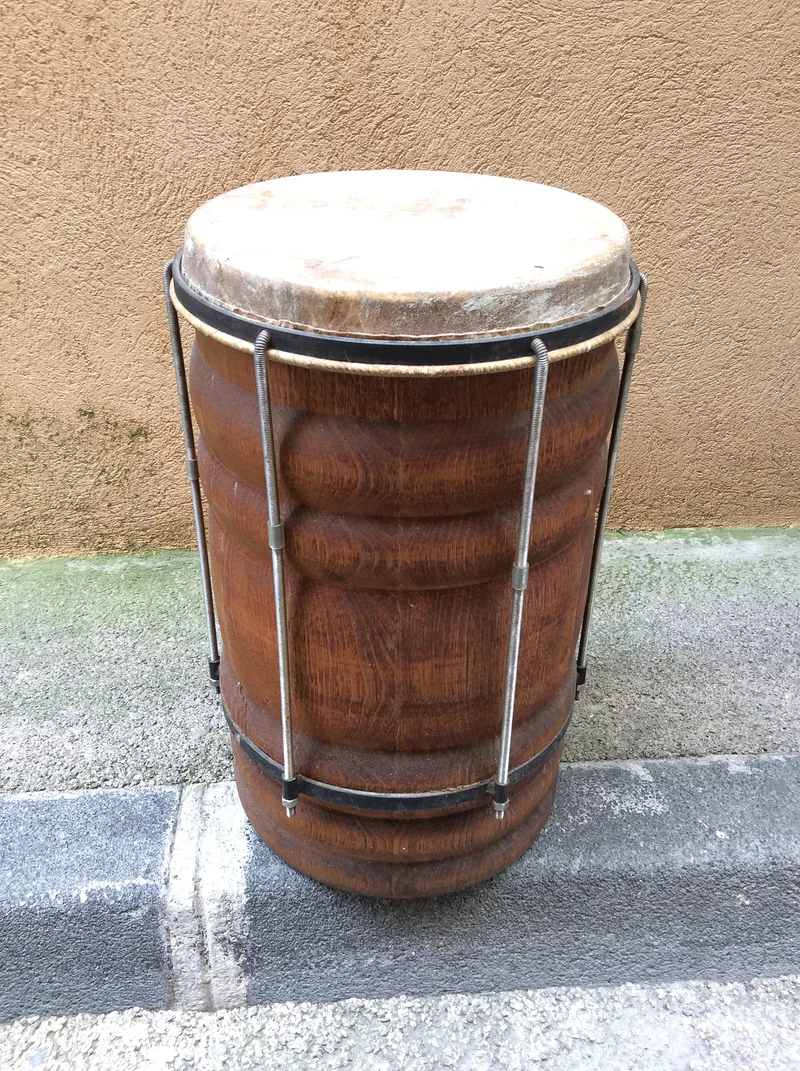
The Nyabinghi Order has no single head. Authority rests with elders, who convene and guide the great gatherings and represent the house. Its members hold that Haile Selassie is the living God and govern themselves by his "theocratic" rule, which leads many to stay away from party politics and voting. They keep strict livity, with dreadlocks, the ital diet and a separation from Babylon's institutions, and they hold firmly to repatriation. The house is best known for its gatherings, also called Nyabinghi or "binghi", at which drumming, chanting and reasoning go on for days; their ritual is described in Nyabinghi and reasoning.
The Bobo Ashanti: Ethiopia Africa Black International Congress§
The Bobo Ashanti (also written Bobo Shanti) are formally the Ethiopia Africa Black International Congress (EABIC). They were founded by Charles Edwards (1915–1994), known to his followers as Prince Emmanuel or King Emmanuel. In March 1958 he called a great convention of Rastafari in the Back-o-Wall district of West Kingston, which many attended in the expectation of repatriation. After years of police harassment and removals, the community settled in the early 1970s on a hillside at Bull Bay, east of Kingston, now known as Bobo Hill.
Trinity, priesthood and discipline§
The Bobo Ashanti honour a trinity: Marcus Garvey as prophet, Prince Emmanuel as priest, and Haile Selassie as king. Prince Emmanuel is regarded as a divine figure in his own right, the Black Christ in the flesh. Members are organised as priests and prophets, and they live by a code drawn largely from the laws of Leviticus. They keep a Sabbath from Friday evening to Saturday evening, observe rules of ritual purity, and ask women to withdraw from community life during menstruation and after childbirth.
The Bobo are easily recognised. Men wear their locks wrapped in tall turbans and dress in long robes, and women cover their heads and bodies. The community supports itself in part by making and selling brooms, a symbol of cleanliness and self-reliance. The Bobo campaign for repatriation and for reparations for slavery, and they have branches outside Jamaica, especially in the Caribbean, Britain and Africa. Since Prince Emmanuel's death in 1994 the community has been led by a council of priests.
The Twelve Tribes of Israel§
The Twelve Tribes of Israel were founded in 1968 by Vernon Carrington (1936–2005), known as Prophet Gad, in circles connected with the Ethiopian World Federation in Kingston. They became the largest and most internationally organised mansion.
Tribes by birth month§
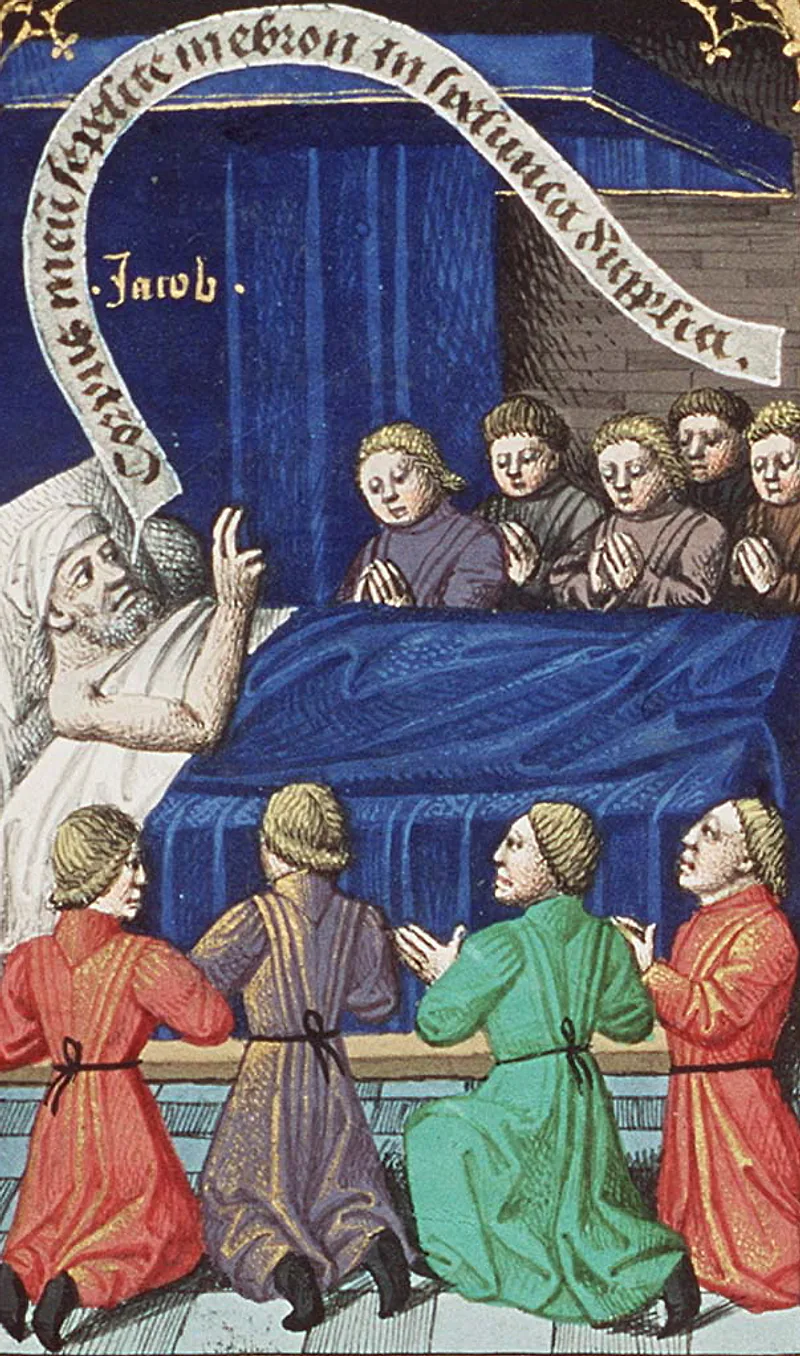
Following the blessings of Jacob's sons in Genesis 49, every member belongs to one of the twelve tribes of Israel according to the month of birth, each with its own colour and character. The tribes run from Reuben for April through Simeon, Levi, Judah, Issachar, Zebulun, Dan, Gad, Asher, Naphtali and Joseph to Benjamin for March. Bob Marley, born in February, belonged to the tribe of Joseph and was the best-known member of the organisation.
Christ and the Bible§
The Twelve Tribes place unusual emphasis on Jesus Christ: salvation comes through Christ, and Haile Selassie is honoured as a king of David's line who revealed Christ's kingly character, rather than simply as God. Prophet Gad encouraged members to read a chapter of the Bible every day, so working through the whole of it in about three and a half years. The organisation is open to people of any race or class; dreadlocks are optional; and it attracted many middle-class Jamaicans and musicians in the 1970s. It has branches in Britain, North America, the Caribbean, Africa and the Pacific, and some members settled at Shashamane in Ethiopia.
Ethiopian Orthodox Rastafari and Other Houses§
In 1970 the Ethiopian Orthodox Church established a mission in Jamaica under Archbishop Abuna Yesehaq. Many Rastafari joined it, seeing it as the church of the emperor and of Zion; Bob Marley was baptised into it in 1980 with the name Berhane Selassie. The relationship has never been simple. The church teaches the Christian Trinity and regards Haile Selassie as a devout Christian monarch, not God; some Rastas who joined accepted this, while others kept their Rastafari faith alongside their membership. The church's place in Eastern Christianity is outlined in Eastern Orthodox Christianity.
Other houses and organisations have also played their part, from the Ethiopian World Federation, which predates the mansions and long served as a link with Ethiopia, to smaller congregations, study circles and community groups in Jamaica and abroad. Since the late twentieth century Rastafari have also formed umbrella bodies and councils to speak for the movement in dealings with governments, for example over ganja law and land.
Women, Unity and Independence§
Each mansion has its own view of women's place. The Bobo Ashanti keep the strictest separation; the Nyabinghi tradition has long assigned leadership to male elders; the Twelve Tribes have given women a more visible role, though the leadership remained male. Scholars such as Obiagele Lake and many Rastafari women writers have examined the patriarchy of the traditional houses, and since the 1980s sistren have founded their own groups and taken a growing part in reasoning and ritual.
Despite their differences, the mansions recognise one another as Rastafari, attend each other's gatherings and share the core themes described in Rastafari beliefs: Jah, the emperor, Babylon and Zion. For scholars of new religious movements, this loose federation of houses, with no central authority, is one reason Rastafari has survived the deaths of its founders and spread around the world.
Frequently asked questions§
What are the mansions of Rastafari?§
They are the main houses or orders of the movement: chiefly the Nyabinghi Order, the Bobo Ashanti and the Twelve Tribes of Israel. The name comes from John 14:2, "In my Father's house are many mansions". Many Rastafari belong to no mansion.
What is the difference between Bobo Ashanti and Nyabinghi?§
The Nyabinghi Order is the oldest and least centralised house, led by elders and focused on the divinity of Haile Selassie and the Nyabinghi gatherings. The Bobo Ashanti are a disciplined community founded by Prince Emmanuel Charles Edwards, with priests, Levitical laws, turbans and robes, and a trinity of Garvey, Emmanuel and Haile Selassie.
Which mansion did Bob Marley belong to?§
Bob Marley was a member of the Twelve Tribes of Israel, in the tribe of Joseph. Shortly before his death in 1981 he was also baptised into the Ethiopian Orthodox Church.
Sources and further reading§
- Rastafari: Roots and Ideology — Barry Chevannes, 1994
- Rastafari: From Outcasts to Culture Bearers — Ennis Barrington Edmonds, 2003
- Rastafari: A Very Short Introduction — Ennis B. Edmonds, 2012
- Chanting Down Babylon: The Rastafari Reader — Nathaniel Samuel Murrell, William David Spencer and Adrian Anthony McFarlane (eds.), 1998
- Rastafari Women: Subordination in the Midst of Liberation Theology — Obiagele Lake, 1998
- The Rastafarians — Leonard E. Barrett, 1977