Liber XXII · Occultism · Chapter X: The Occult Today
The Occult Today: Belief, Practice and Culture in the 2020s
The occult today: how many people hold occult beliefs, re-enchantment and occulture, the tarot and astrology boom, online practice and current controversies.

The occult today is less a single movement than a widespread layer of belief, practice and imagery woven into ordinary life. Surveys in the United States and Europe find that large minorities believe in psychics, astrology or spiritual energy, while tarot, astrology and witchcraft have become visible parts of publishing, social media and consumer culture. Alongside this popular "occulture", initiatory orders, pagan and witchcraft communities and a growing academic field keep older traditions alive, and debates about commerce, appropriation, conspiracy thinking and fraud shape how the occult is perceived.
How Widespread Are Occult Beliefs?§
Measuring occult belief is difficult, because surveys use different categories and many people combine conventional religion with practices they would not call occult. Still, the broad picture is consistent. A Gallup poll in 2005 found that roughly three in four Americans held at least one of ten paranormal beliefs, such as telepathy, haunted houses or astrology. A Pew Research Center survey in 2017, published in 2018, reported that about six in ten American adults accepted at least one of four "New Age" beliefs: around four in ten believed in psychics and that spiritual energy can reside in physical objects, about a third believed in reincarnation, and roughly three in ten believed in astrology. A later Pew survey, published in 2025, found that about three in ten Americans consult astrology, tarot cards or fortune tellers at least once a year, with higher rates among younger adults and women.
These beliefs are not confined to the unreligious. Many churchgoers report them, and they are also common among the growing number of people who describe themselves as "spiritual but not religious". In Britain, census returns record tens of thousands of people who identify as pagans, Wiccans or witches, a figure that understates the number who use occult practices without adopting a religious label. The older story of how this landscape formed since the 1960s is told in contemporary occultism.
Disenchantment, Re-Enchantment and Occulture§
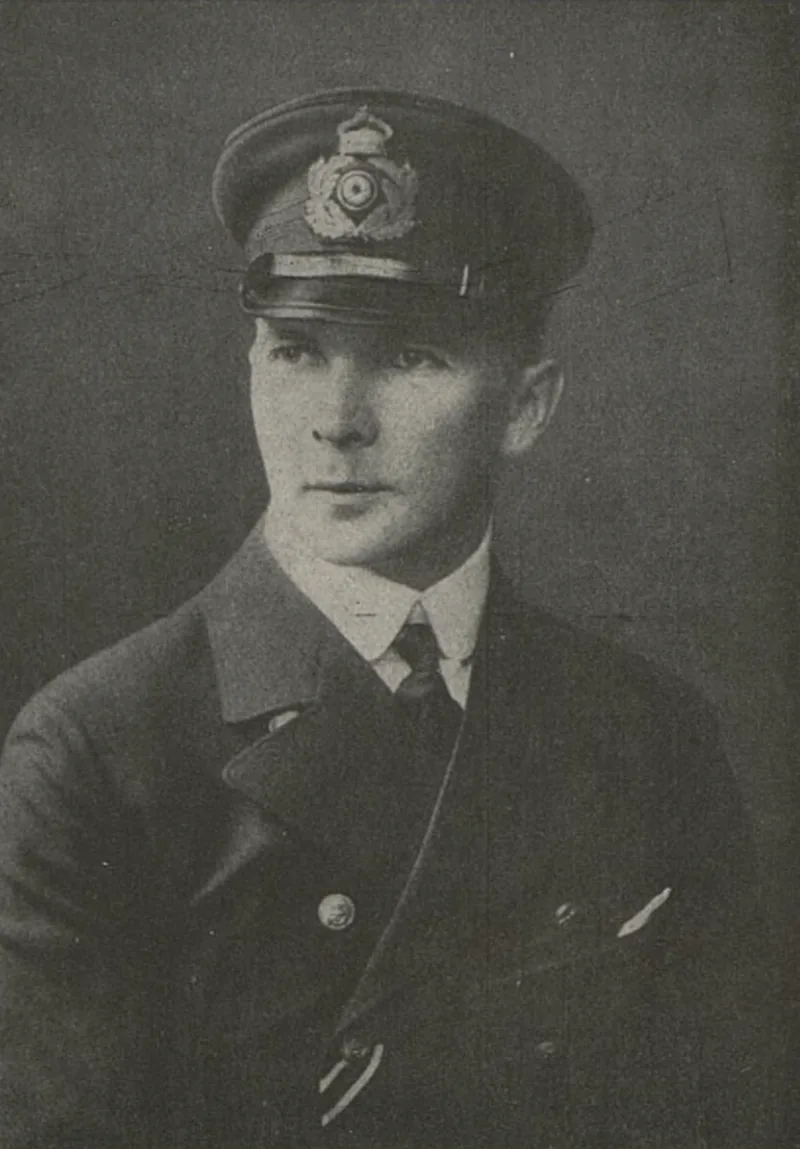
In a famous lecture of 1917, the sociologist Max Weber argued that modern life is marked by the "disenchantment of the world": in principle, everything can be mastered by calculation, and mysterious incalculable forces no longer have a place. For much of the twentieth century sociologists expected magic and religion to decline together. The persistence of occult belief has forced a rethinking.
Scholars now offer several alternative frameworks. Colin Campbell's "cultic milieu" (1972) described a lasting underground of heterodox ideas through which seekers move freely. Christopher Partridge's The Re-Enchantment of the West (2004–2005) argued that Western societies are being re-enchanted through a diffuse "occulture" of ideas about spirits, energies and hidden knowledge carried by music, film and fiction, a culture whose literary roots are traced in occult literature and art. The anthropologist Tanya Luhrmann, studying London magicians in the 1980s, described the "interpretive drift" by which ordinary, educated people come to find magical explanations plausible through practice. More radically, Jason Josephson-Storm has argued in The Myth of Disenchantment (2017) that modernity was never as disenchanted as its theorists claimed.
The Occult Marketplace: Tarot, Astrology and Witchcraft§
The most visible form of the occult today is commercial. Tarot decks are published in great numbers, many of them designed by artists for collectors as much as for readers, and both established and independent publishers maintain large occult lists. Astrology has moved from newspaper columns to websites and smartphone applications that generate daily readings from birth data, and astrological language, from sun signs to "Mercury retrograde", has entered everyday speech. Crystals, candles, incense and ritual kits are sold in high-street shops and online.
Scholars of religion such as Wade Clark Roof have described this as a "spiritual marketplace", in which individuals assemble practices from many sources according to personal need. Critics worry that commerce empties traditions of depth and creates environmental and ethical problems, for example in the mining of crystals or the harvesting of white sage. Practitioners are divided: some welcome easier access, while others insist on study, initiation and the historical sources described in the history of tarot and astrology.
Practice and Community in a Networked World§
Contemporary occult practice is predominantly solitary and eclectic. Where Victorian occultists joined lodges with grades and oaths, many practitioners today learn from books, videos and online groups, combine elements of witchcraft, ceremonial magic, astrology and folk tradition, and describe their practice in the language of self-care, psychology or personal empowerment. Witchcraft in particular, discussed in what is witchcraft, has become a widely adopted identity among younger women and LGBTQ+ people, often linked with feminism and ecological concern.
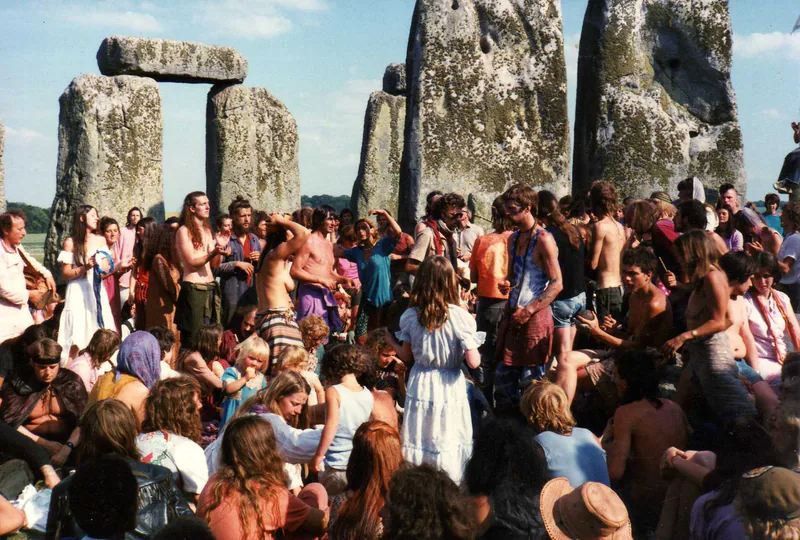
Organised groups have not disappeared. Initiatory orders descended from the Golden Dawn and Thelema, Wiccan covens, druid orders, heathen and other reconstructionist communities and chaos magic groups continue to meet, many now combining in-person rituals with online teaching. Some practitioners have turned to public "magical activism", holding rituals for political or environmental causes, which has drawn both support and criticism within the community. The broader spiritual setting in which these groups operate is described in the New Age movement.
Global and Cross-Cultural Perspectives§
The occult today is a global phenomenon rather than a Western export. Historians such as Henrik Bogdan and Gordan Djurdjevic emphasise that occultism has long circulated between continents: Theosophy took root in India and Sri Lanka, Spiritism became a major religious movement in Brazil, and Japanese, Latin American and African movements have developed their own syntheses of local and imported esoteric ideas. Diaspora religions such as Haitian Vodou and Santería have attracted new interest, and many Western seekers are drawn to their practices.
That interest has prompted debates about cultural appropriation. Members of Indigenous and African diaspora communities have objected to the commercial sale of sacred items and to outsiders teaching practices, such as hoodoo, that grew from specific histories of oppression. Some practitioners respond by seeking initiation within the tradition or by restricting themselves to their own ancestral or historical sources; others argue that religious ideas have always crossed boundaries. These discussions are among the liveliest in contemporary occult culture.
Controversy, Criticism and Harm§
The occult today also faces serious criticism. Consumer protection authorities in several countries pursue fraudulent psychics and fortune tellers who exploit vulnerable clients; in Britain, for example, the Fraudulent Mediums Act of 1951 was replaced in 2008 by general consumer protection regulations. Skeptical organisations argue that astrology and psychic claims lack evidential support, a debate examined in occultism and science.
Researchers have also noted the overlap between alternative spirituality and conspiracy culture. The sociologists Charlotte Ward and David Voas coined the term "conspirituality" in 2011 for the fusion of New Age ideas with conspiracy theories, a fusion that became more visible during the COVID-19 pandemic. At the other extreme, a small number of extremist groups use occult imagery, and moral panics such as the Satanic Panic of the 1980s show how fear of the occult can itself cause harm. Most practitioners are neither fraudulent nor extremist, but these controversies shape public perception.
Meanwhile the scholarly study of the occult has grown into a recognised discipline, with university programmes, societies such as the European Society for the Study of Western Esotericism (founded 2005) and journals that treat the subject historically. Museum exhibitions on magic, witchcraft and esoteric art regularly attract large audiences, a sign that the occult has become a respectable object of cultural history as well as a living practice.
Frequently asked questions§
Is interest in the occult growing?§
Survey data suggest that beliefs such as astrology and psychic ability have remained fairly stable over recent decades, while their visibility has increased sharply through social media, publishing and retail. Practices such as tarot and witchcraft appear to be especially popular among younger adults, though reliable long-term figures are scarce.
What is "occulture"?§
"Occulture" is a term popularised by the scholar Christopher Partridge for the broad reservoir of occult, paranormal and esoteric ideas that circulates in popular culture. It includes not only practitioners but also films, music, games and fiction that spread these ideas to wide audiences.
Do people still join occult orders today?§
Yes. Groups such as the Ordo Templi Orientis, Golden Dawn-derived orders, Wiccan covens and druid orders continue to initiate members. However, many contemporary practitioners never join any organisation and practise alone or in informal online communities.
Sources and further reading§
- Persuasions of the Witch's Craft — T. M. Luhrmann, 1989
- Spiritual Marketplace: Baby Boomers and the Remaking of American Religion — Wade Clark Roof, 1999
- Spiritual, but Not Religious: Understanding Unchurched America — Robert C. Fuller, 2001
- The Re-Enchantment of the West — Christopher Partridge, 2004
- The Spiritual Revolution: Why Religion Is Giving Way to Spirituality — Paul Heelas and Linda Woodhead, 2005
- Occultism in a Global Perspective — Henrik Bogdan and Gordan Djurdjevic, 2013
- Contemporary Esotericism — Egil Asprem and Kennet Granholm, 2013
- The Myth of Disenchantment: Magic, Modernity, and the Birth of the Human Sciences — Jason Ā. Josephson-Storm, 2017