Liber III · Black & White Magic · Chapter III: Money & Prosperity Magick
Hoodoo Money Magic: Money Drawing Oils, Mojo Bags and Curios
Hoodoo money magic explained: lodestones, High John root, money drawing oils, gamblers' mojo bags, business floor washes and the curio catalogue trade.

Hoodoo money magic is the body of African American conjure practices aimed at luck, steady work, gambling wins and business success. Its characteristic materials include lodestones, High John the Conqueror root, five-finger grass and other herbs, "money drawing" oils and powders, mojo bags carried for luck, and floor washes used by shopkeepers to draw customers. Recorded by folklorists from the 1920s onward and sold nationwide by mail-order curio companies, it became one of the most influential prosperity traditions in modern magic.
Money, Luck and Survival in Southern Conjure§
Hoodoo and rootwork, the folk magic of African Americans in the South, grew from West and Central African religious traditions, European folk magic and the Bible under the conditions of slavery and its aftermath. After Emancipation, many Black Southerners lived as sharecroppers, labourers and domestic workers, with uncertain incomes and limited legal protection. Folklorists who interviewed rootworkers in the early twentieth century found that "luck" in its many forms was among the most common reasons for consulting a root doctor: luck in finding work and keeping it, in getting paid, in collecting debts, in gambling and in running a small business.
The major sources are Newbell Niles Puckett's Folk Beliefs of the Southern Negro (1926), Zora Neale Hurston's essay "Hoodoo in America" (1931) and her book Mules and Men (1935), and above all the five volumes of interviews published by the Anglican minister Harry Middleton Hyatt as Hoodoo, Conjuration, Witchcraft, Rootwork (1970–1978), largely recorded between 1936 and 1940. Hyatt's informants described hundreds of charms for luck and money, often in vivid detail, and their testimony remains the main evidence for how money hoodoo was practised before the commercial era transformed it.
Roots, Herbs and Minerals of Money Drawing§
Money hoodoo relies on the idea of "drawing": certain materials are thought to attract luck, customers or cash, much as a magnet draws iron. The lodestone, a naturally magnetic stone, is the clearest example. Rootworkers kept lodestones, sometimes in pairs, and "fed" them with fine iron filings or "magnetic sand", a practice reported widely by Hyatt's informants. Pyrite, or "fool's gold", was used for its resemblance to gold.

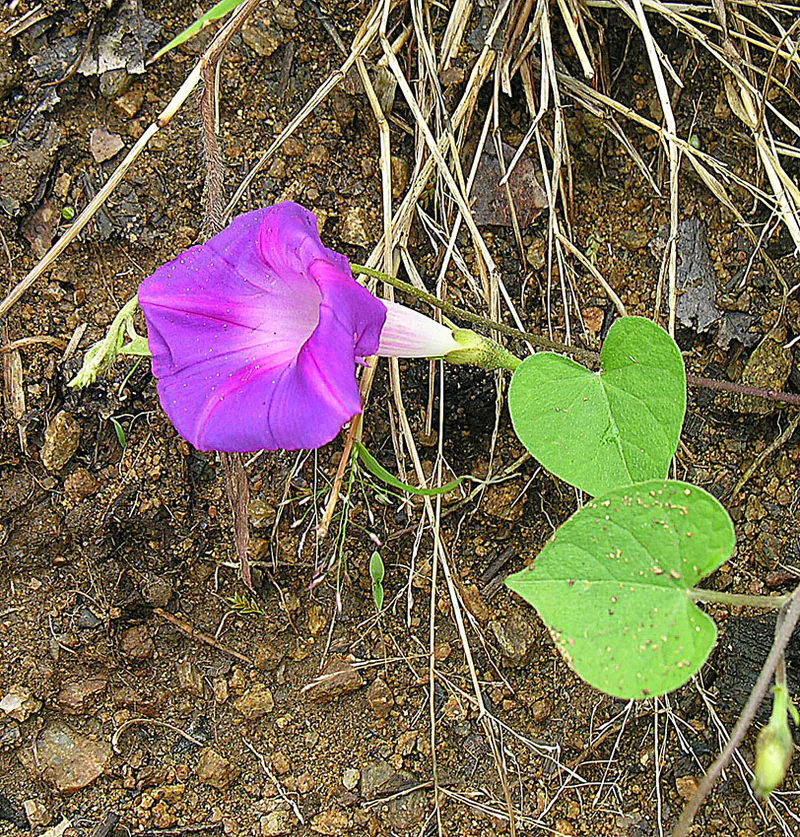
The most famous root is High John the Conqueror, usually identified with the root of a morning-glory relative, Ipomoea jalapa, and named after the trickster hero of African American folklore whom Hurston celebrated in a 1943 essay. It was carried for mastery, success and luck in gambling. Other roots and herbs associated with money include five-finger grass (cinquefoil, Potentilla), whose leaf was said to "grasp" what its owner sought; Little John or galangal; devil's shoestring, a root carried for luck in employment and gambling; the nutmeg, Lucky Hand root (a hand-shaped orchid tuber) and the buckeye, carried in the pocket; and cinnamon, allspice, chamomile and alfalfa, which were used in washes, powders and sachets.
Coins also had a place. A silver dime, especially the "Mercury dime" minted from 1916 to 1945, was worn or carried for luck and protection, and coins were placed in shoes, mojo bags and the corners of houses. For the botanical background see our guide to herbal magic.
Mojo Bags, Lucky Hands and the Gambler's Charm§
The mojo bag, also called a "hand", "toby", "jack" or, in Louisiana, a gris-gris, is a small cloth bag, often of red flannel, containing a combination of roots, minerals, coins and personal items, usually in an odd number. It is consecrated with prayer or speech, carried on the body out of sight and periodically "fed" with whiskey, cologne or oil to keep it active. Some regional variants were specific to a group, such as the "nation sack" reported among women around Memphis.
Gamblers were among the most devoted users of mojo hands. Hyatt's informants describe hands built around a lodestone and a John the Conqueror root, washes of chamomile or perfumed waters such as Hoyt's Cologne for the hands before a game, and charms carried in the left pocket. The figure of the gambler with his "mojo" became a stock image of the blues. A modern reconstruction is given in our spellbook as a hoodoo mojo bag for luck.
Oils, Powders and Floor Washes for Business§
By the early twentieth century, many conjure materials were sold as ready-made products. Condition oils, named for the "condition" they were meant to address, were used to dress candles, anoint the body and rub on money or business doors. Money-related names include Money Drawing, Fast Luck, Crown of Success, Steady Work and Wealthy Way. Sachet powders were dusted on the body, in purses or along the paths customers would walk, and incense was burned in shops.
Shopkeepers and barbers were known for floor washes: the doorstep and floor were scrubbed from the street inward with a wash meant to draw trade, reversing the outward motion used to sweep away bad luck. A related practice is "sweetening", in which a jar of honey or sugar containing a name or petition is used to make a landlord, employer or customer favourable (see the honey jar entry). Candle burning, especially with green candles for money, spread through the influence of mail-order handbooks such as Henri Gamache's The Master Book of Candle Burning (1942). New Orleans contributed its own formulas, such as Van Van oil (see Van Van oil), associated with clearing away bad luck.
Curio Catalogues and the Mail-Order Money Trade§
With the Great Migration, conjure moved north to Chicago, Detroit, New York and other cities, where roots gathered in the countryside gave way to products bought from drugstores, "candle shops" and mail-order suppliers. Companies such as Valmor and the King Novelty Company in Chicago, and the Lucky Heart Company in Memphis, advertised in the Black press and issued catalogues of oils, powders, incense, lodestones, roots, lucky soaps, seals and books. Carolyn Morrow Long's Spiritual Merchants (2001) reconstructs this trade in detail.
The catalogues are now historical documents in their own right. They show which money concerns sold best (gambling luck, job-getting, "money drawing" and protection from bad luck), how products were packaged with Egyptian, Indian and biblical imagery, and how Euro-American books entered the tradition. The Chicago publisher L. W. de Laurence sold editions of the Sixth and Seventh Books of Moses and the Key of Solomon, whose seals, including those for riches and treasure, were reproduced as "lucky" talismans. Pseudonymous handbooks such as Lewis de Claremont's Legends of Incense, Herb and Oil Magic (1936) gave formulas and suggested uses for the products, and were often sold by the same firms.
Law and suspicion followed the trade. Federal regulators and the postal authorities at times pursued mail-order sellers for fraudulent claims, which encouraged the familiar wording that products were sold "as curios only", with no supernatural power claimed.
Dream Books, Policy Numbers and Psalms§
Gambling luck linked conjure with the numbers games known as "policy" and later "the numbers", a mainstay of Black urban neighbourhoods from the late nineteenth century. Dream books such as Aunt Sally's Policy Players' Dream Book translated dreams and omens into numbers to play, and curio stores sold them alongside lucky incense and oils.
The Bible also served money hoodoo. Psalms were read over candles and baths for success, often following the German-derived Secrets of the Psalms attributed to Godfrey Selig, which assigns purposes to individual psalms in the manner of the Jewish Shimmush Tehillim. Prayers to saints entered through New Orleans Catholicism, notably to St Joseph and St Expedite, discussed in saints and deities of wealth. For the Louisiana background see Louisiana Voodoo and Marie Laveau.
Money Hoodoo Today§
Since the 1990s, a revival of interest in hoodoo has brought new books, online courses and spiritual supply shops. Catherine Yronwode's Hoodoo Herb and Root Magic (2002) systematised much of the older lore, drawing heavily on Hyatt. Katrina Hazzard-Donald's Mojo Workin' (2013) argues that commercial "marketeered" hoodoo diverged from an older, community-based tradition rooted in African religion. Practitioners themselves debate questions of heritage, the role of non-Black practitioners and the proper way to honour ancestors in the work. As with any prosperity magic, root doctors historically combined their charms with practical advice, and no ritual is a substitute for sound financial help.
Frequently asked questions§
What is money drawing oil in hoodoo?§
Money drawing oil is a commercially popularised "condition oil" used in hoodoo to dress candles, anoint money or business doors and attract prosperity. Formulas vary by maker but typically include fragrant herbs and spices such as cinnamon, and sometimes pyrite flakes.
What goes in a hoodoo mojo bag for money?§
Traditional money hands often included a lodestone, High John the Conqueror root, five-finger grass, a silver coin and other roots or herbs, usually in an odd number. The bag was blessed, carried out of sight and periodically fed with oil, cologne or whiskey.
Why are lodestones used in money magic?§
Because a lodestone naturally attracts iron, hoodoo practitioners regarded it as a model of "drawing" power. Lodestones were kept and fed with magnetic sand to attract luck, money or a person.
Who sold hoodoo supplies in the early twentieth century?§
Mail-order curio companies, especially in Chicago, Memphis and New York, sold oils, powders, roots, candles and dream books. Valmor, the King Novelty Company and the Lucky Heart Company are among the best documented.
Sources and further reading§
- Hoodoo—Conjuration—Witchcraft—Rootwork — Harry Middleton Hyatt, 1970
- Folk Beliefs of the Southern Negro — Newbell Niles Puckett, 1926
- Mules and Men — Zora Neale Hurston, 1935
- Spiritual Merchants: Religion, Magic, and Commerce — Carolyn Morrow Long, 2001
- Conjure in African American Society — Jeffrey E. Anderson, 2005
- Mojo Workin': The Old African American Hoodoo System — Katrina Hazzard-Donald, 2013
- Black Magic: Religion and the African American Conjuring Tradition — Yvonne P. Chireau, 2003
- Hoodoo Herb and Root Magic — Catherine Yronwode, 2002
- The Master Book of Candle Burning — Henri Gamache, 1942
- Legends of Incense, Herb and Oil Magic — Lewis de Claremont, 1936
- The Voodoo Hoodoo Spellbook — Denise Alvarado, 2011