Liber III · Black & White Magic · Chapter III: Money & Prosperity Magick
Money Magick in Modern Witchcraft and New Thought Prosperity
Money magick in modern witchcraft and New Thought: Wiccan prosperity spells, candles and herbs, Unity's divine supply, and the law of attraction.

Money magick in modern witchcraft and New Thought refers to two related twentieth-century approaches to prosperity: the candle, herb and moon spells of Wicca and contemporary witchcraft, and the "prosperity consciousness" of New Thought, which teaches that right thinking attracts wealth. The two grew from different roots, one from folk magic and ceremonial occultism, the other from American mind-cure religion, but since the 1970s they have merged in popular books and online practice, where green candles, affirmations and the language of "manifesting abundance" sit side by side.
From Folk Charm to Modern Craft: Prosperity in Witchcraft§
The witchcraft revival of the mid-twentieth century did not begin as a money-making magic. Gerald Gardner's Wicca, made public in the 1950s, presented itself as a mystery religion of the Goddess and God, and its rituals centred on the seasons, the moon and initiation (see Wicca and Gerald Gardner). The Gardnerian "Craft Laws", as usually transmitted, even forbade taking money for the use of the Art, reflecting an ideal of magic as a sacred gift rather than a trade.
Practical spellcraft, including spells for money, entered the Craft through other channels: the folk magic of cunning folk and charmers, the ceremonial tradition of planetary magic, and especially the American hoodoo and spiritual-supply market, whose candles, oils and colour symbolism were sold through the same shops that served the new witches. As the Craft spread in the United States in the 1960s and 1970s, publishers such as Llewellyn issued practical manuals that brought these strands together. Ronald Hutton's The Triumph of the Moon remains the best history of how modern witchcraft took shape; see also our overview of the history of witchcraft.
New Thought and the Mental Science of Wealth§
The other root lies in nineteenth-century America. The mesmerist healer Phineas P. Quimby (1802–1866) taught that disease was caused by false beliefs and could be cured by changing the mind. His pupils and successors, including Warren Felt Evans and Emma Curtis Hopkins, developed a set of movements known as the New Thought movement, related to but distinct from Christian Science (see Christian Science and New Thought).
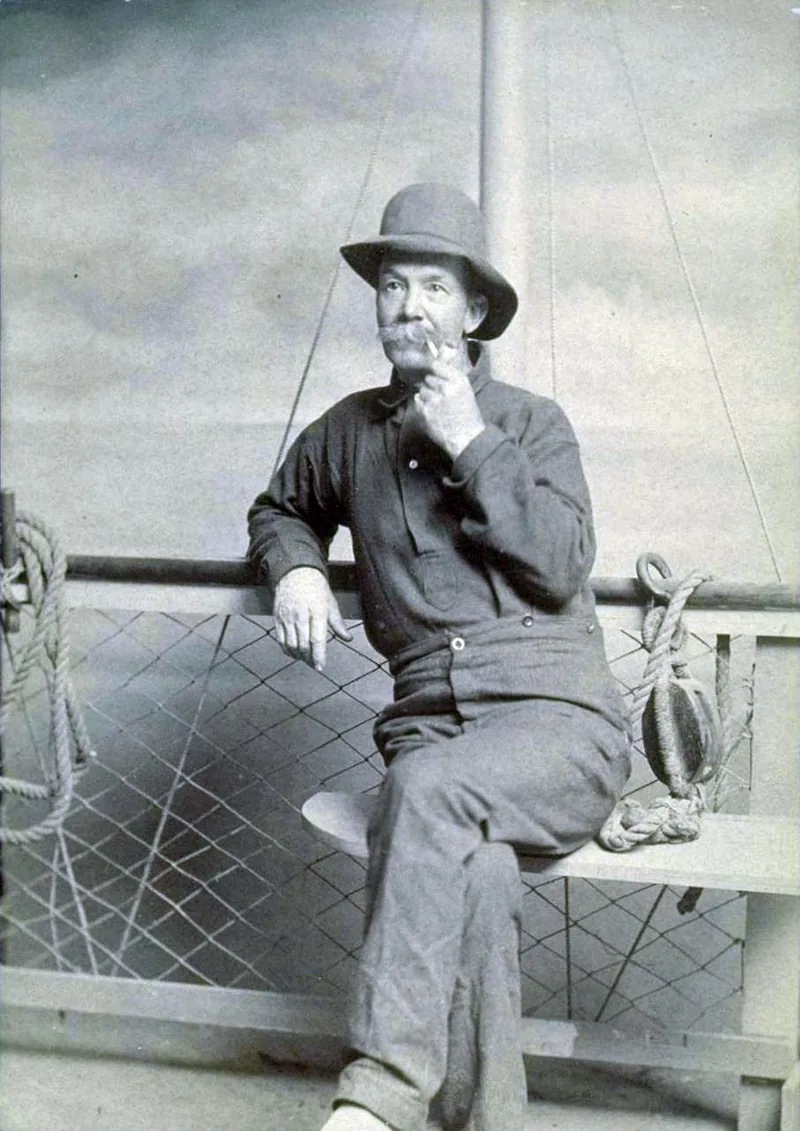
By the 1880s New Thought writers had extended mental healing to finances. The journalist Prentice Mulford argued in essays first issued from 1886 that thoughts are forces that attract their like. William Walker Atkinson's Thought Vibration, or the Law of Attraction in the Thought World (1906) gave the movement a slogan, and Wallace D. Wattles's The Science of Getting Rich (1910) presented wealth as the result of a "certain way" of thinking aligned with a creative "thinking substance". These ideas, and their later history, are traced in our article on the law of attraction.
Unity, Divine Supply and the Prosperity Classics§
New Thought churches gave prosperity a theology. Charles and Myrtle Fillmore, who began the Unity movement in Kansas City from 1889, taught that God is the inexhaustible source of supply and that poverty reflects a failure to recognise it. Charles Fillmore's Prosperity (1936) teaches affirmations, tithing and "denials" of lack as spiritual disciplines. Florence Scovel Shinn, a New York illustrator turned metaphysical teacher, published The Game of Life and How to Play It (1925), full of short affirmations for money and success. Robert Collier's The Secret of the Ages (1926) and Napoleon Hill's Think and Grow Rich (1937) carried similar ideas into the business self-help market.
After the Second World War, Norman Vincent Peale's The Power of Positive Thinking (1952), Joseph Murphy's The Power of Your Subconscious Mind (1963) and Catherine Ponder's The Dynamic Laws of Prosperity (1962) kept the tradition alive. Kate Bowler has shown that New Thought ideas also flowed, via the evangelist E. W. Kenyon and others, into the Pentecostal "prosperity gospel" of positive confession. Historians such as Catherine Albanese and Mitch Horowitz describe this whole tradition as a form of American "metaphysical religion" in which mind is treated as a causal force, closely comparable to magic even when its followers reject the word.
Wiccan Prosperity Spells: Candles, Herbs and the Moon§
By the 1970s and 1980s, money spells were a standard feature of witchcraft manuals. Raymond Buckland's Practical Candleburning Rituals (1970) adapted hoodoo-style candle work, with its colour symbolism and dressing oils, for a wider occult readership. Scott Cunningham's Cunningham's Encyclopedia of Magical Herbs (1985) listed the "magical powers" of hundreds of plants, many of them marked for money; his Wicca: A Guide for the Solitary Practitioner (1988) helped make solitary practice, including practical spellwork, the norm for a new generation.
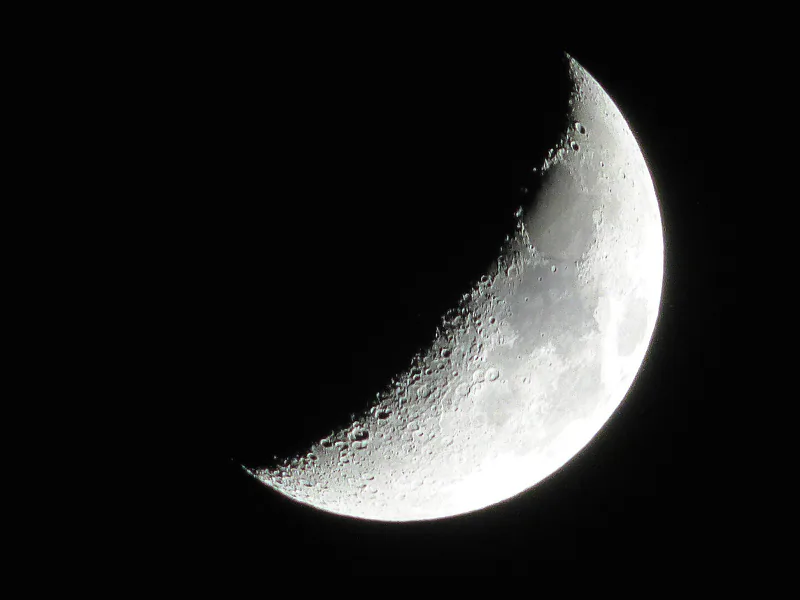
The resulting repertoire is fairly consistent. Prosperity spells are timed for the waxing moon, often on Thursday, the day of Jupiter, or Sunday; they use green or gold candles, coins, and herbs and spices such as basil, cinnamon, mint, bay, patchouli and allspice; they often involve writing a petition or a sum on paper, anointing a candle and visualising the desired result. Some of these correspondences are old, such as the link between Jupiter and abundance; others, such as green as the colour of money, reflect twentieth-century American culture and the colour of the dollar. A typical example is described in our green candle prosperity spell, and the related new moon intention spell shows the influence of New Thought "intention setting".
Many witchcraft authors add ethical conditions drawn from the Wiccan Rede: a spell should not take money from a particular person, should ask for what is needed rather than what is coveted, and should be backed by practical effort. Popular practitioner books devoted entirely to the subject include Silver RavenWolf's Silver's Spells for Prosperity (1999) and Ellen Dugan's Practical Prosperity Magick (2014).
Where Witchcraft Meets the Law of Attraction§
From the 1970s, New Thought techniques entered witchcraft and New Age practice through books such as Shakti Gawain's Creative Visualization (1978). Visualisation, affirmation and the idea that the practitioner must "believe" the result has already happened became common in spell instructions. The success of Rhonda Byrne's The Secret in 2006 popularised the vocabulary of "manifestation" still further. On social media in the 2010s and 2020s, "money manifestation" rituals, sigils, scripting and candle spells circulate together, often without any sense of their distinct origins.
Some witches welcome the convergence; others criticise it, arguing that the law of attraction strips magic of its spirits, gods and correspondences and turns it into wishful thinking. Ceremonial and chaos magicians, discussed in money sigils and chaos magick, take a more experimental view.
Critiques from Within and Without§
Critics have challenged both traditions. Barbara Ehrenreich's Bright-Sided (2009) argued that positive thinking encourages people to blame themselves for economic misfortune, and Kate Bowler's work on the prosperity gospel documents its effects on believers who stayed poor. Within the occult community, writers such as Frater U.D. have argued for a more realistic magical psychology of money. These debates are explored in the ethics and critiques of prosperity magic. Most responsible authors in both traditions now stress that ritual should accompany, not replace, sound financial planning and professional advice.
Frequently asked questions§
What is a Wiccan money spell?§
A Wiccan money spell is a ritual for prosperity, usually performed during the waxing moon, often with a green or gold candle, herbs such as basil or cinnamon, and a written petition. Most Wiccan authors frame it within the ethic of harming no one.
What is prosperity consciousness in New Thought?§
Prosperity consciousness is the New Thought teaching that a person's habitual beliefs about money shape their financial circumstances. Writers such as Charles Fillmore and Catherine Ponder taught affirmations, gratitude and tithing as ways to cultivate it.
Is the law of attraction a form of magic?§
Its followers generally describe it as a spiritual or mental law, not magic. Historians of esotericism note, however, that its claim that thought directly shapes events closely resembles magical ideas of causation.
Sources and further reading§
- The Science of Getting Rich — Wallace D. Wattles, 1910
- The Game of Life and How to Play It — Florence Scovel Shinn, 1925
- Prosperity — Charles Fillmore, 1936
- Think and Grow Rich — Napoleon Hill, 1937
- The Dynamic Laws of Prosperity — Catherine Ponder, 1962
- Practical Candleburning Rituals — Raymond Buckland, 1970
- Cunningham's Encyclopedia of Magical Herbs — Scott Cunningham, 1985
- Creative Visualization — Shakti Gawain, 1978
- The Triumph of the Moon: A History of Modern Pagan Witchcraft — Ronald Hutton, 1999
- A Republic of Mind and Spirit: A Cultural History of American Metaphysical Religion — Catherine L. Albanese, 2007
- Blessed: A History of the American Prosperity Gospel — Kate Bowler, 2013
- Silver's Spells for Prosperity — Silver RavenWolf, 1999
- Practical Prosperity Magick: Crafting Success & Abundance — Ellen Dugan, 2014