The Spellbook · Witchcraft & Wicca
Full Moon Esbat Rite and Making Moon Water
A simple full moon esbat in the Wiccan manner, with how to make and use moon water, and the history of the esbat from Leland's Aradia to modern witchcraft.
- TraditionModern Wicca and contemporary witchcraft, mid-20th century to the present
- ForBlessings, Cleansing, Wisdom & study
- DifficultySimple
- Time45 minutes, with the water left out overnight
- WhenOn the night of the full moon, or the night before or after; outdoors or at a window where moonlight falls

An esbat is the monthly gathering of witches at the full moon, distinct from the eight seasonal sabbats of the Wheel of the Year. In modern Wicca and in much contemporary witchcraft it is a time to honour the Moon, often as the Goddess, to give thanks, reflect and work magic for blessing and clarity. Many practitioners also set out a vessel of water to stand in the moonlight; the resulting "moon water" is kept for cleansing and blessing until the next full moon.
How to do it§
- Choose the night. Find the exact time of the full moon on the moon almanac. The night itself is preferred; the night before or after serves equally in most traditions.
- Prepare the water. Wash the jar thoroughly, fill it with fresh water and set it where moonlight will fall — a garden table, a balcony or an inside windowsill. Cover it with a lid or cloth so dust and insects stay out. Cloud does not matter to most practitioners; the moon's presence is what counts.
- Open your rite. Cast a circle in the Wiccan manner (see Casting and Closing a Circle) or simply sit quietly, light the candle and the incense, and take a few slow breaths.
- Greet the Moon. Look at the moon if it is visible. Speak a greeting in your own words, for example: "Lady of the full moon, light of the night, I greet you and give thanks for all that has grown this month." Those who do not work with a goddess can address the moon simply as the moon.
- Reflect. In the notebook, write what has come to fullness since the last new moon — what went well, what you have learned, what you are grateful for.
- Bless the water. Hold your hands over the jar and ask that it be filled with the moon's light for cleansing and blessing. Add a pinch of salt only if the water is for cleaning surfaces, not for plants.
- Work or meditate. The full moon is traditionally favoured for blessings, divination and works of completion. You might draw a tarot card, bless a charm, or sit in silence for a time.
- Close. Thank the moon, close the circle if you cast one, and put out the candle. Leave the covered water in place overnight.
- Gather and use it. Bring the jar in before midday, label it with the date, and keep it in a cool place. Use it to asperge (sprinkle) a room, to wipe an altar or doorway, in a ritual bath, or to water houseplants.
Origins and history§
Moon-gatherings of witches appear vividly in Charles Godfrey Leland's Aradia, or the Gospel of the Witches (1899), which presents itself as a text of Tuscan witches. Its goddess Diana instructs her followers: "Whenever ye have need of anything, / Once in the month, and when the moon is full", to meet in a lonely place. Scholars doubt that Aradia records an old religion faithfully, but it shaped twentieth-century witchcraft deeply. The word esbat was popularised by the Egyptologist Margaret Murray in The Witch-Cult in Western Europe (1921), who used it for the ordinary meetings of the witches she believed had survived into the early modern period; her thesis has been rejected by historians, but the term was adopted by Gerald Gardner and has been used in Wicca ever since.
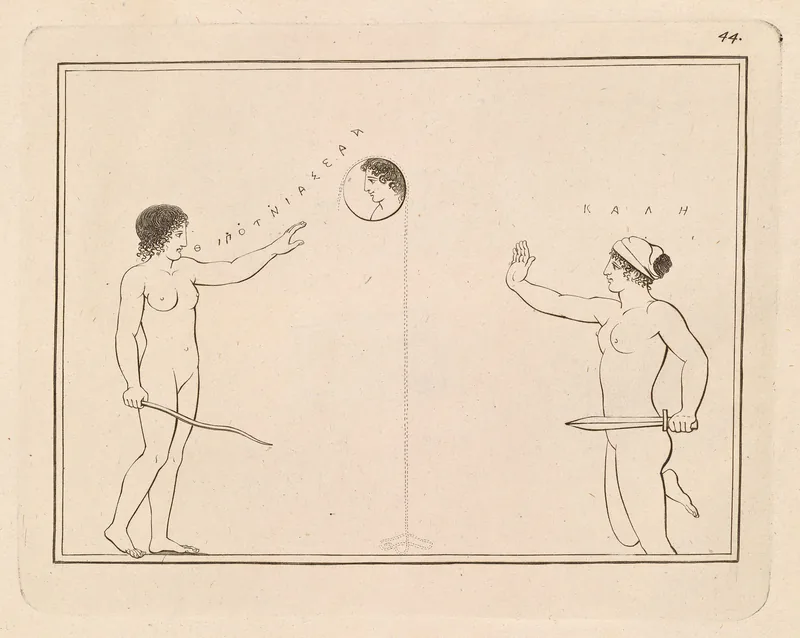
In the Gardnerian Book of Shadows, the "Charge of the Goddess", reworked by Doreen Valiente in the 1950s, adapts Leland's lines, and the full moon became the regular meeting of the coven. The rite of "drawing down the moon", in which the priestess is believed to embody the Goddess, borrows a phrase from ancient Greek lore about the witches of Thessaly. Moon water itself is a recent development: it is not found in Gardner's writings, and seems to have spread with popular witchcraft books and online communities from the late twentieth century, building on older European ideas that dew and water gathered under the sky at special times carried virtue. See Wicca and Gerald Gardner.
Variations§
Some practitioners place a clear quartz beside, not in, the jar; others make water at the new moon for beginnings. A "blue moon" (a second full moon in a calendar month) or an eclipse is treated by some as especially potent and by others as a time to rest. Traditional witches may hold their monthly rite at the dark of the moon instead.
Safety and good sense§
Use only clean, covered water, and treat moon water as for external use; if you wish to drink something, use fresh drinking water and do not leave it standing outdoors. Never put crystals or minerals that can leach harmful substances (such as malachite) into water. Keep candles in stable holders, away from curtains, and never leave flame or incense unattended. Ritual and reflection are no substitute for medical, legal or financial help.
Sources and further reading§
- Aradia, or the Gospel of the Witches — Charles Godfrey Leland, 1899
- Witchcraft Today — Gerald Gardner, 1954
- Eight Sabbats for Witches — Janet Farrar & Stewart Farrar, 1981
- Drawing Down the Moon — Margot Adler, 1979
- The Triumph of the Moon: A History of Modern Pagan Witchcraft — Ronald Hutton, 1999